
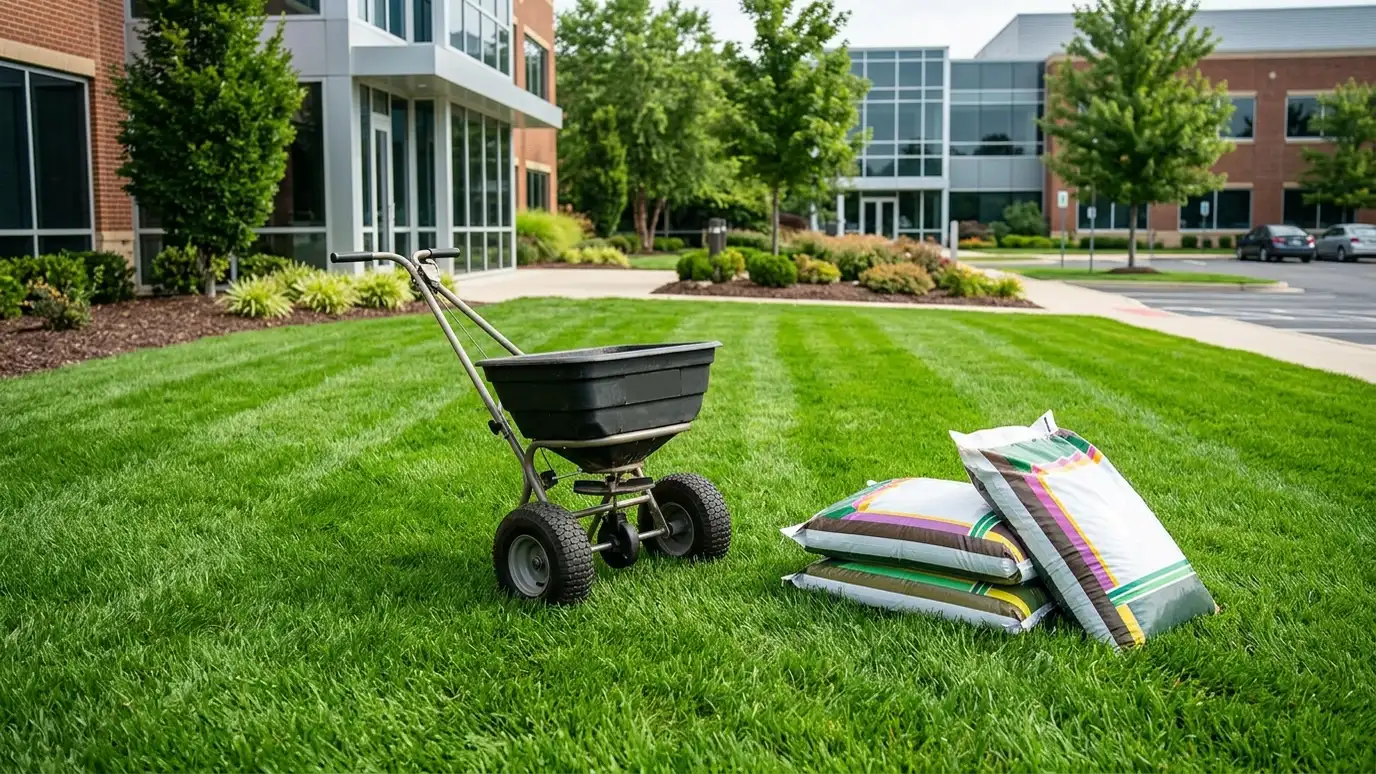
Commercial Fertilization and Turf Programs
Soil-based fertilizer programs, lime and nutrient plans for large turf areas, scheduled by grass type and season.
Large turf areas are expensive to install and, once thin, expensive to fix. A consistent feeding program is the most economical insurance a property manager can buy. Without it, lawns lose density, weeds move in, summer stress takes bigger bites and the owner ends up paying for overseeding or sod replacement. In Middle Tennessee, red clay soils and a transition-zone climate mean cool-season grass like tall fescue needs most of its feeding in fall and spring, while warm-season grass like bermuda is fed through late spring and summer.
We build turf programs from a soil test. Results show pH, organic matter and nutrient levels, so we know whether to add lime, phosphorus or potassium instead of guessing. Then we schedule applications by grass type, using slow-release nitrogen where it makes sense, avoiding heavy feeding in summer heat for fescue and timing every pass to growth. Programs often combine fertilizer with weed control, core aeration and overseeding so each treatment supports the next, and applications are logged so a manager can see what went down and when.
Test before you feed
Soil tests guide lime and nutrient choices so money is not wasted.
Timing by grass type
Cool-season and warm-season turf are fed on different calendars.
Slow-release options
Controlled-release products feed steadily and reduce surge growth.
Programs that stack
Feeding, weed control, aeration and overseeding are planned together.
What is included
- Soil sampling and test review
- Lime and nutrient plan by area
- Slow-release fertilizer applications
- Coordinated weed control
- Aeration and overseeding recommendations
- Application log
See the transformation.
Drag the handle to compare.
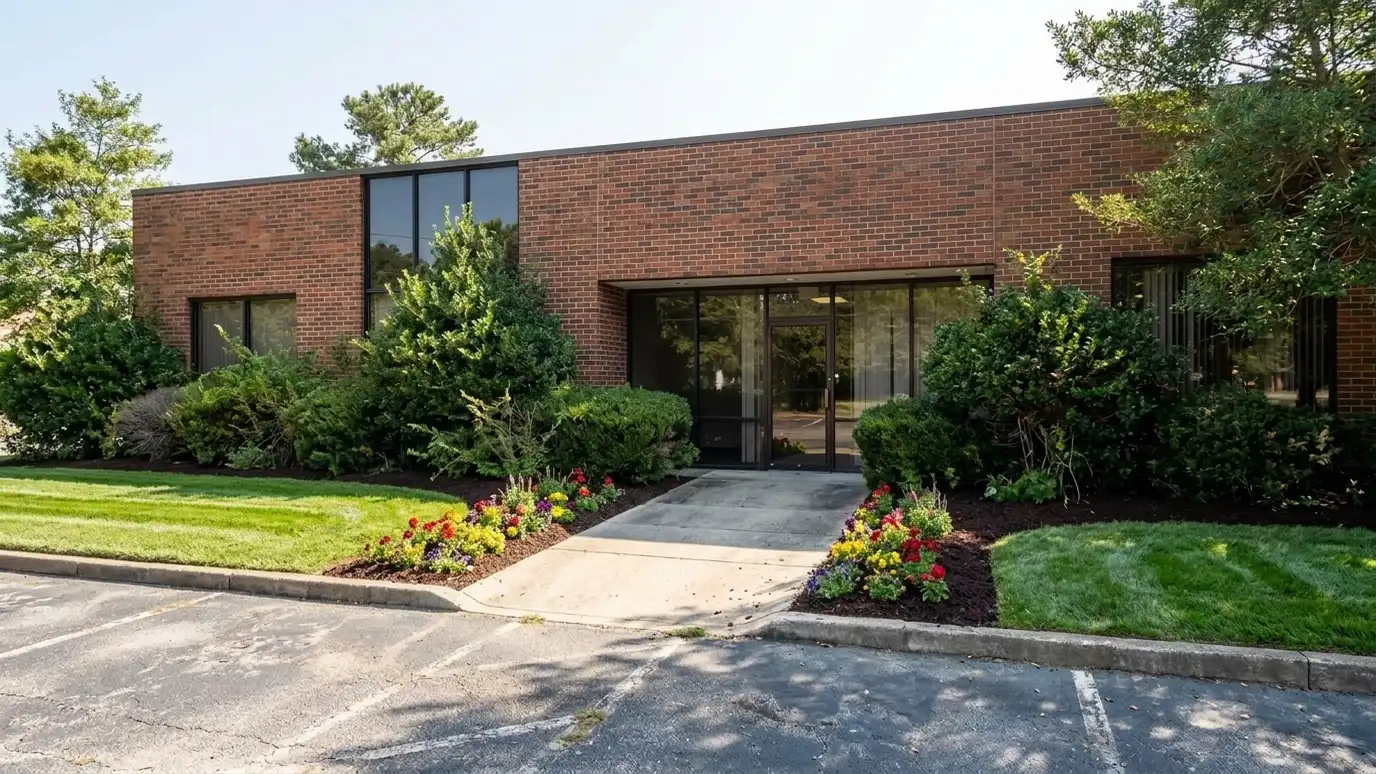
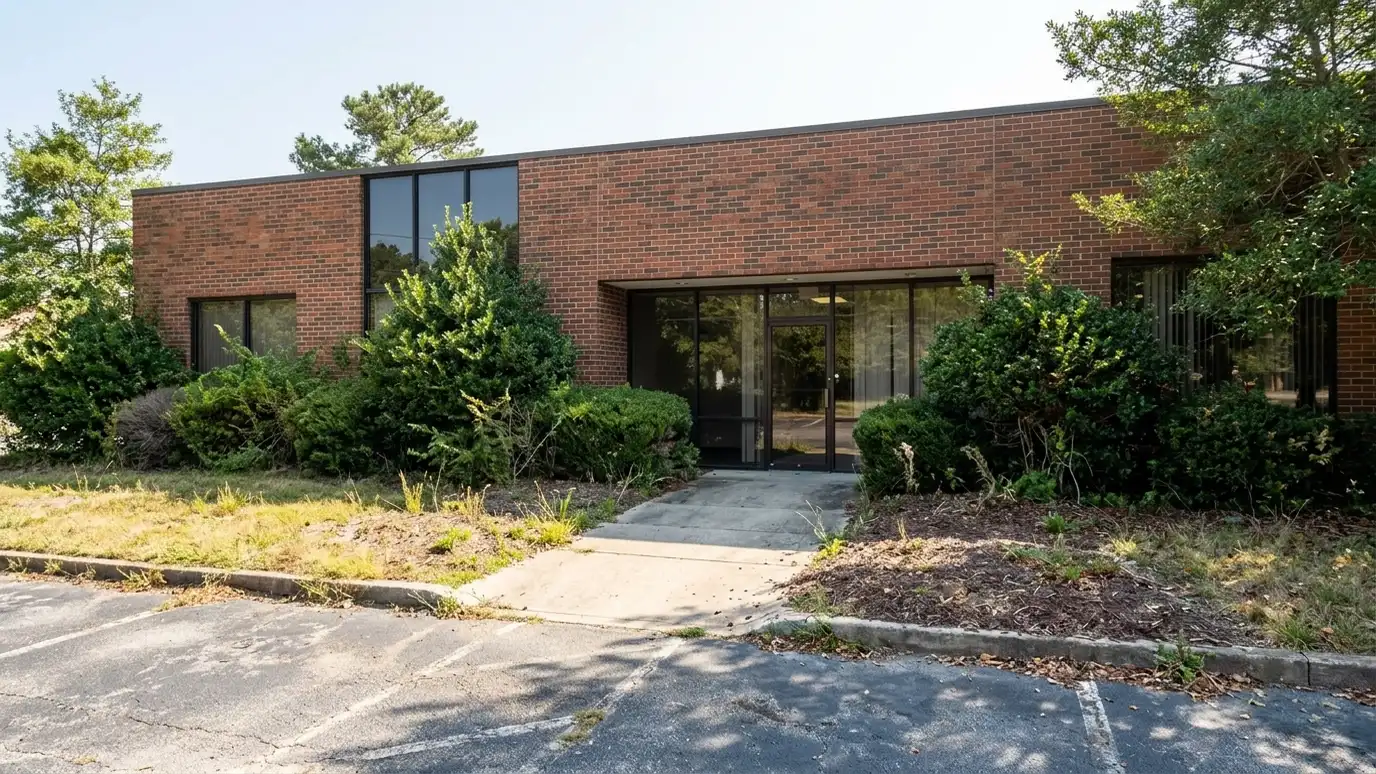 BeforeAfter
What you get with Fertilization Programs
Soil-based plan
Tested before treated.
Right calendar
Matched to your grass.
Denser turf
Fewer bare spots.
Fewer weeds
Thick lawns fight back.
Less waste
Only what turf needs.
Logged work
Applications recorded.
Property types and guides for Fertilization Programs
Every topic has its own page with what to expect and how we approach it.
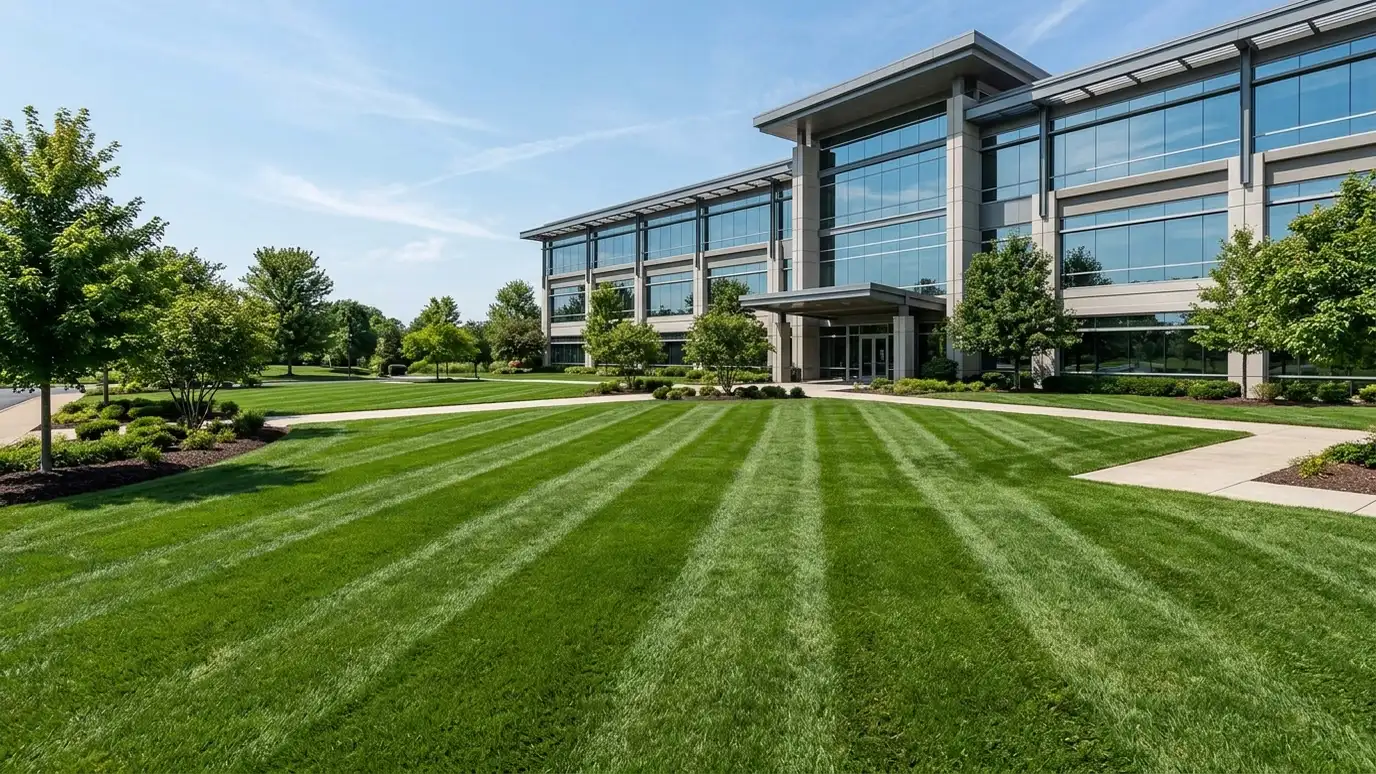
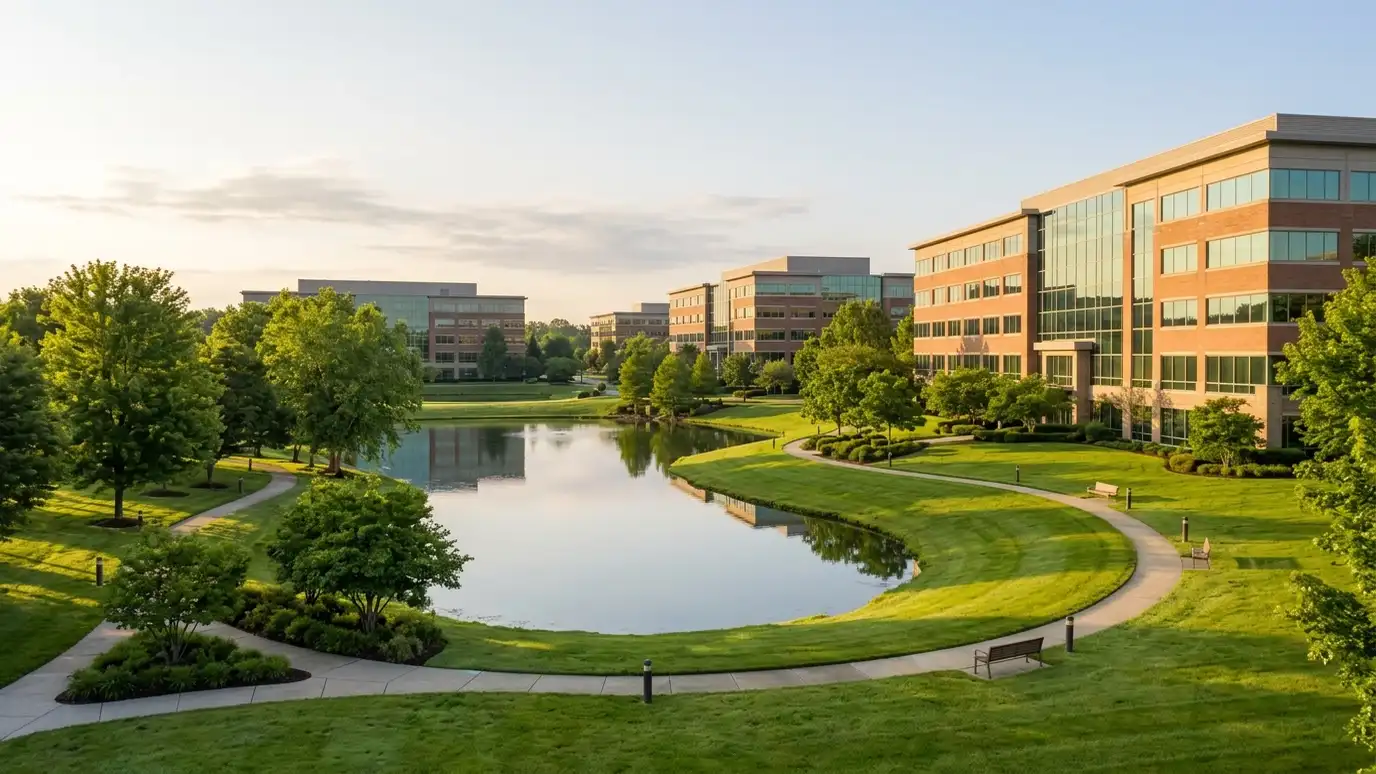 Property typeOffice Parks and CampusesTenants and visitors judge a business by its grounds. Learn what office parks and corporate campuses need for…Learn more
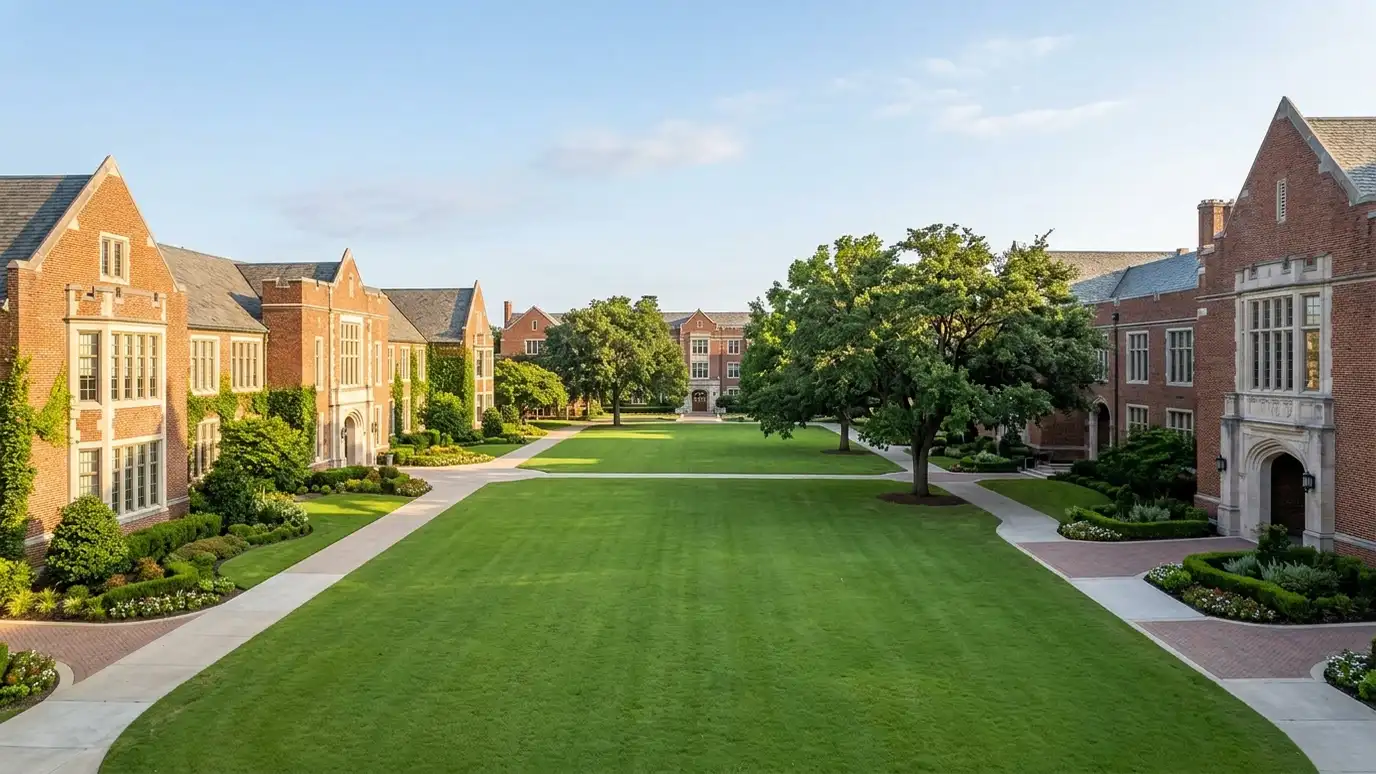 Property typeSchools and CampusesSchools need durable turf, safe walks and sharp entrances on tight budgets. See how campus grounds are planned…Learn more
 Topic guideCommercial Turf GrassPick the right grass for each commercial area. Compare tall fescue, bermuda and zoysia by sun, traffic, water…Learn more
Maintenance Visit and Cost Planner
Enter turf area, visit frequency by season and per-visit rates to see annual visits and cost for a maintenance program.

Our process, start to finish.
- 01
Call and schedule
You tell us about the property and what you need, a new program, a contractor change or a project, and we set a walk that fits your day.
- 02
Walk and measure
We walk the grounds with the manager, owner or a board member, measure turf and beds and note trees, ponds, irrigation, drainage and problem areas.
- 03
Proposal and options
You receive an itemized written proposal with areas, tasks, frequencies, seasonal services and options, ready for a board or owner to review.
- 04
Onboarding
We document starting conditions with photos, map the property, set the schedule and contacts and complete any catch-up work in the first month.
- 05
Service and projects
Crews follow the schedule, projects are phased around your operations and visits are logged so you can see what was done.
- 06
Review and plan ahead
We review results with you each quarter, adjust the scope as needed and plan seasonal work and reserve projects for the year ahead.
Fertilization Programs FAQ
How often is fescue fertilized?
Most programs feed fescue in early fall, late fall and spring, with light or no feeding in summer heat.
Why soil test?
It reveals pH and nutrient gaps so we correct real problems instead of guessing.
Do you fertilize beds and trees too?
Yes. Ornamental and tree feeding is scoped separately because the products and timing differ.
Will fertilizer run off into ponds or storm drains?
We avoid hard surfaces, follow label limits and skip applications before heavy rain.
Can you handle athletic turf?
Yes. Sports turf needs a more intensive program, which we scope separately.
You may also need.
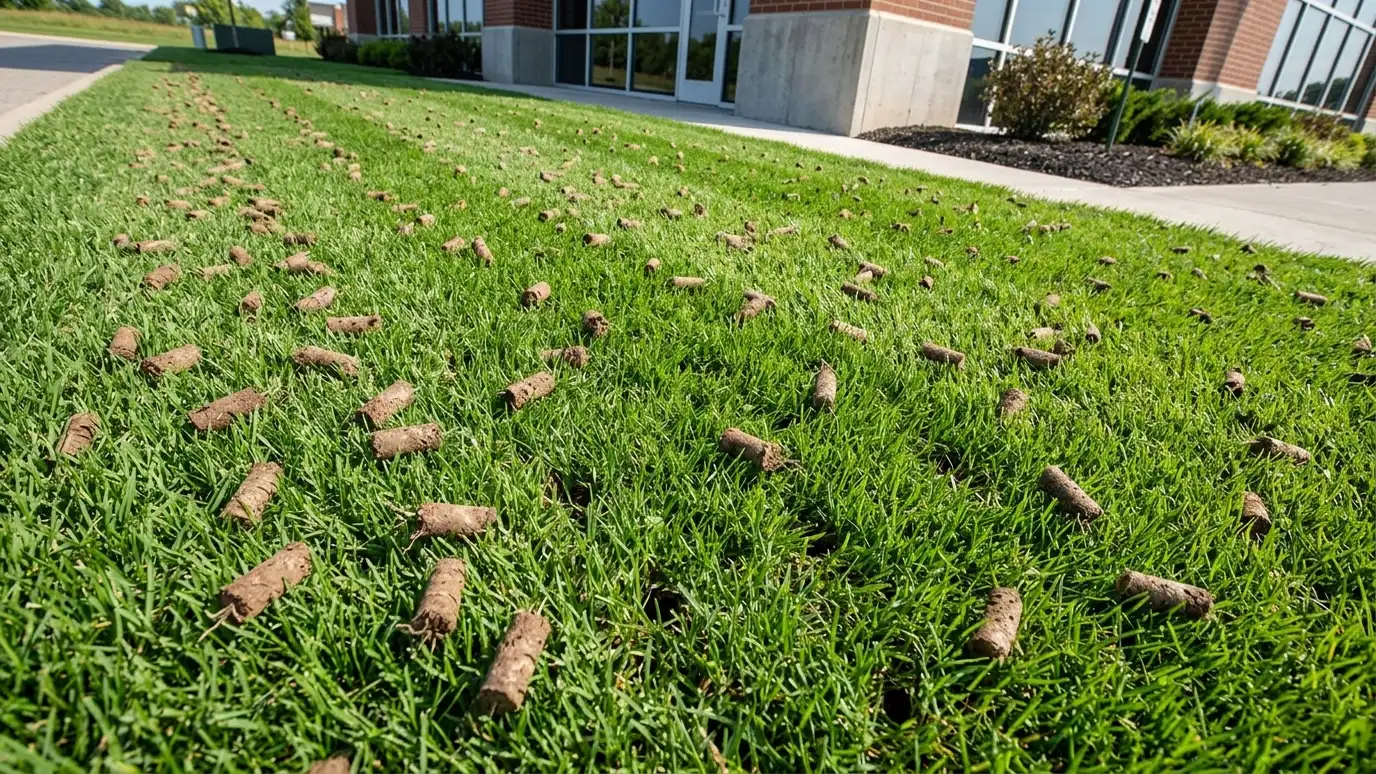 Aeration and OverseedingCore aeration, overseeding and topdressing that restore compacted, thinning commercial lawns each fall.Explore
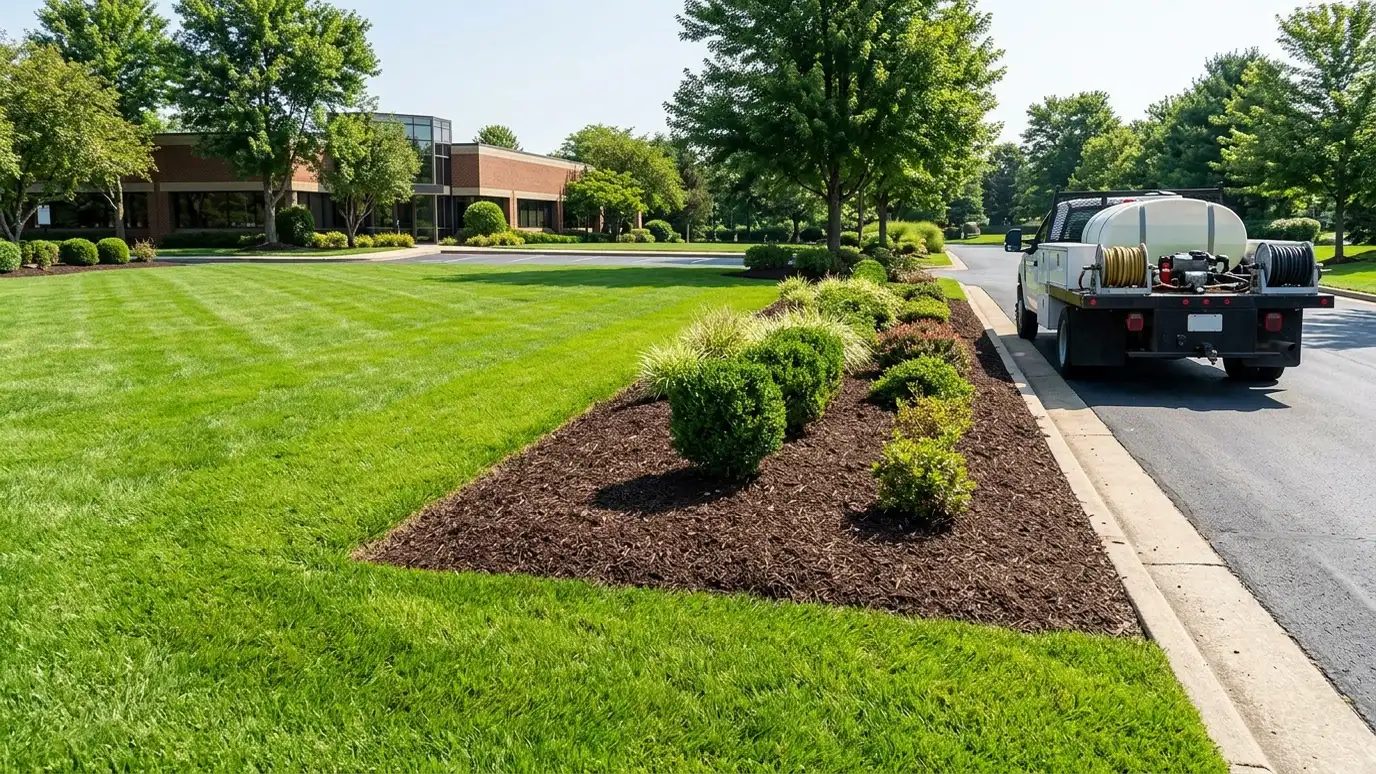 Weed ControlPre-emergent and post-emergent weed programs for lawns, beds, parking lot edges and sidewalk joints, applied by trained crews…Explore
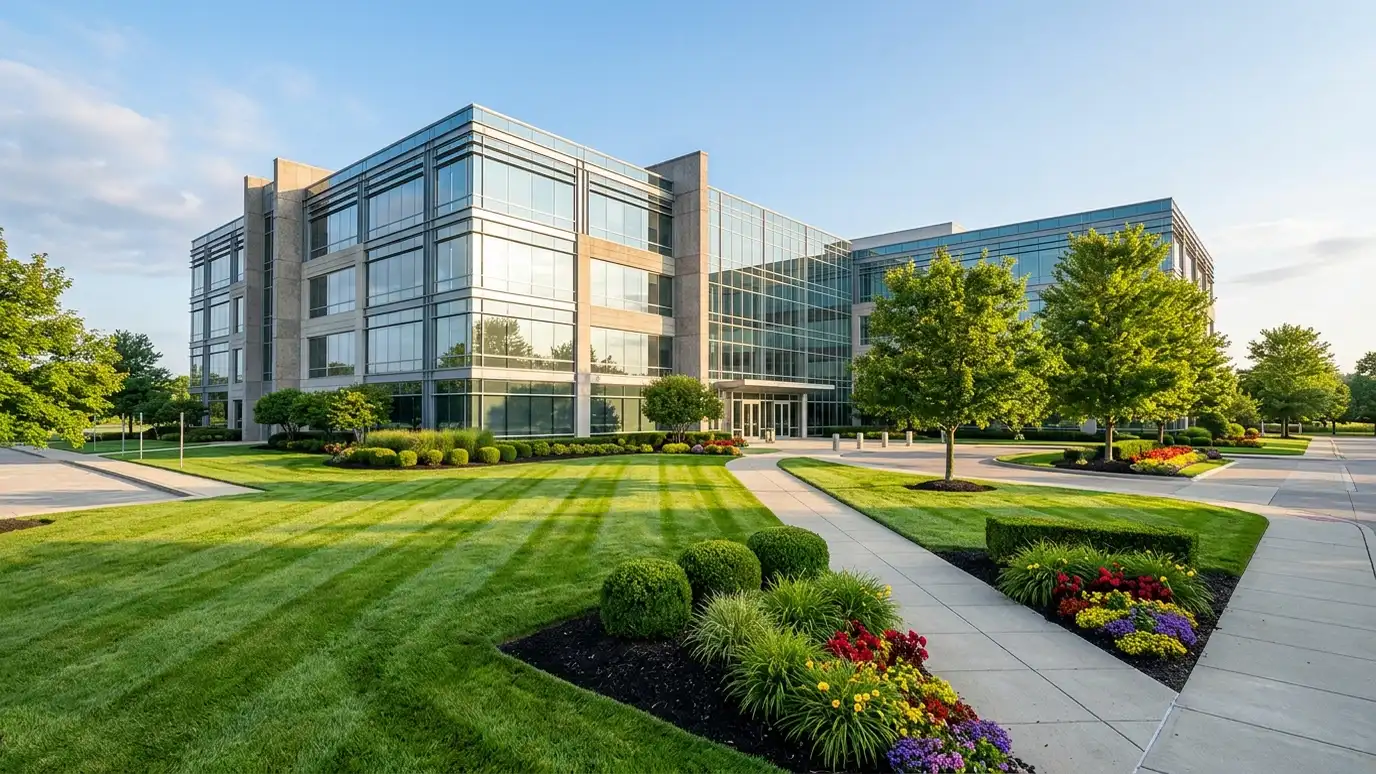 Maintenance ProgramsYear-round grounds programs for offices, retail centers, campuses and communities: one written scope, one crew and one point…Explore
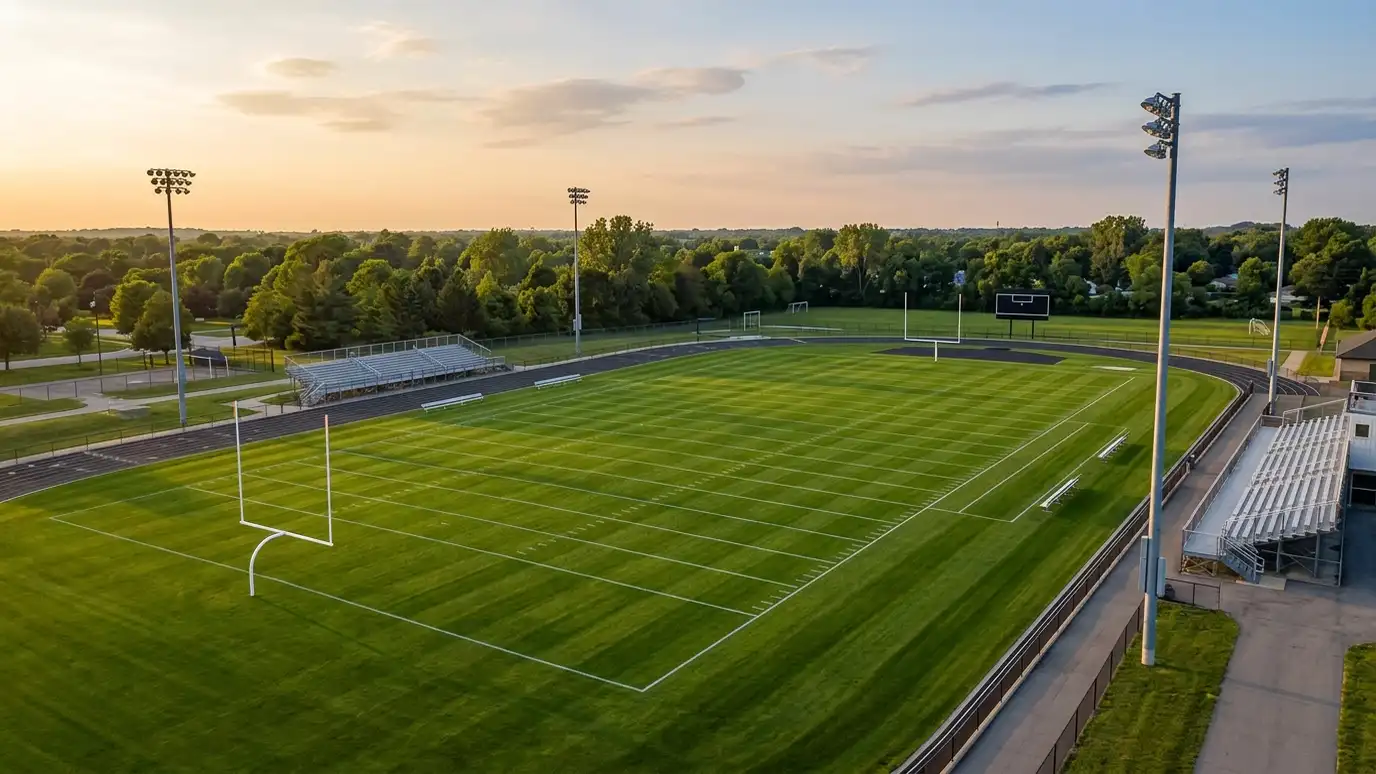 Sports Turf CareMaintenance programs for athletic fields and recreation areas: mowing, aeration, overseeding, fertility and weed control matched to the…Explore
Fertilization Programs across Middle Tennessee.
Get your free Fertilization Programs proposal.
Tell us about the property and we will call you back to set up a site walk.
Or call (615) 357-7797 to talk now.