Operating versus reserve
Operating costs are the recurring expenses of keeping the grounds up, such as mowing, bed care and irrigation checks. Reserve items are larger, periodic projects such as irrigation replacement, tree removal and replanting, entrance renovation and retaining wall repair.
Separating these makes budgets clearer and prevents capital costs from crowding out maintenance.
Build the operating budget from the scope
Start with the written scope and the contractor’s pricing, then add water, mulch, seasonal color, tree work and a contingency for storms and surprises. Compare to the prior year and to similar communities.
Review actual spending quarterly so the board sees trends and avoids surprises.
Identify reserve landscape items
Walk the property with a contractor and list assets that wear out: irrigation controllers and pipes, trees, entrance plantings, walls, fencing, ponds and trails. Estimate age, remaining life and replacement timing.
A landscape audit gives the reserve study provider better inputs.
Water, the hidden line item
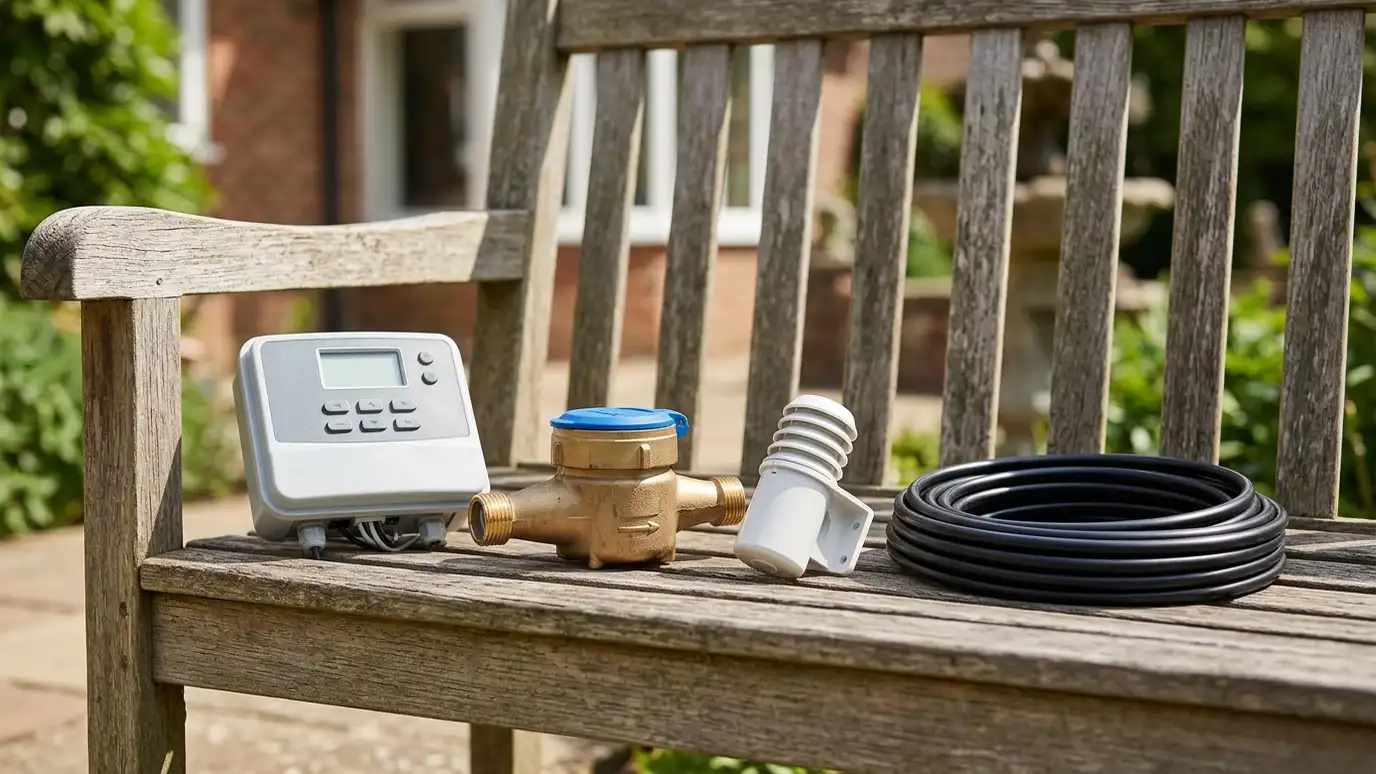
Water can be a major landscape expense. Repairing leaks, upgrading controllers and converting low-use turf to low-water plantings often pay back through lower water bills.
Monitor water use monthly so spikes are caught quickly.
Trees are an asset and a liability
A multi-year tree plan spreads pruning and removal costs and reduces storm risk. Budget for replanting so the canopy renews, rather than letting it thin out over a decade.
Set aside funds for storm response, since a single event can exceed a normal year’s tree budget.
Communicate with residents
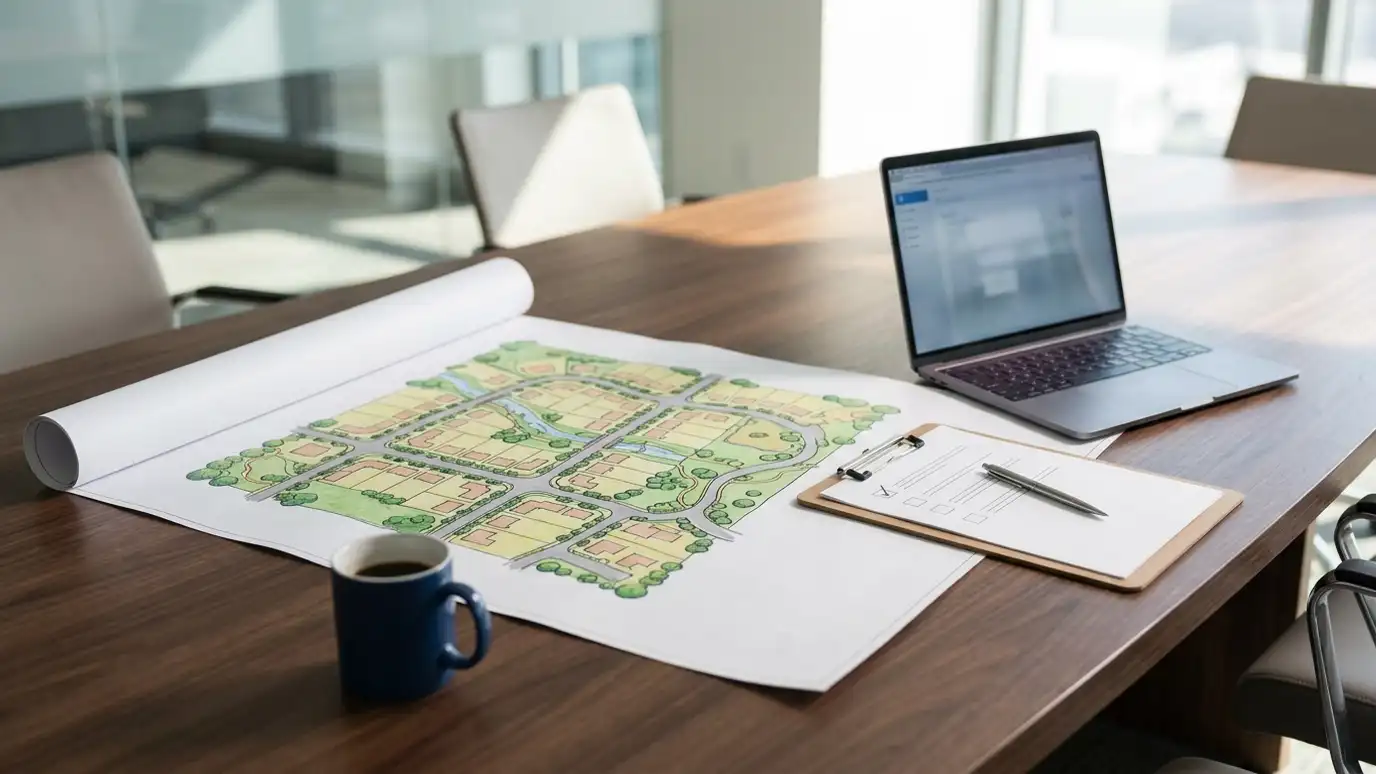
Residents are more supportive of budgets when they see plans and photos. Share the scope summary, highlight improvements and explain why certain items, such as tree work or irrigation, protect property value.
Transparent communication reduces complaints and makes board decisions easier.
Review every year
Each year, compare results to the plan, check contractor performance, update the reserve list and adjust the next budget. A short annual review keeps the program on track.
Revisit the scope when conditions change, such as new amenities or construction.
Separate yearly operating costs from reserve projects, and plan trees and irrigation across several years.