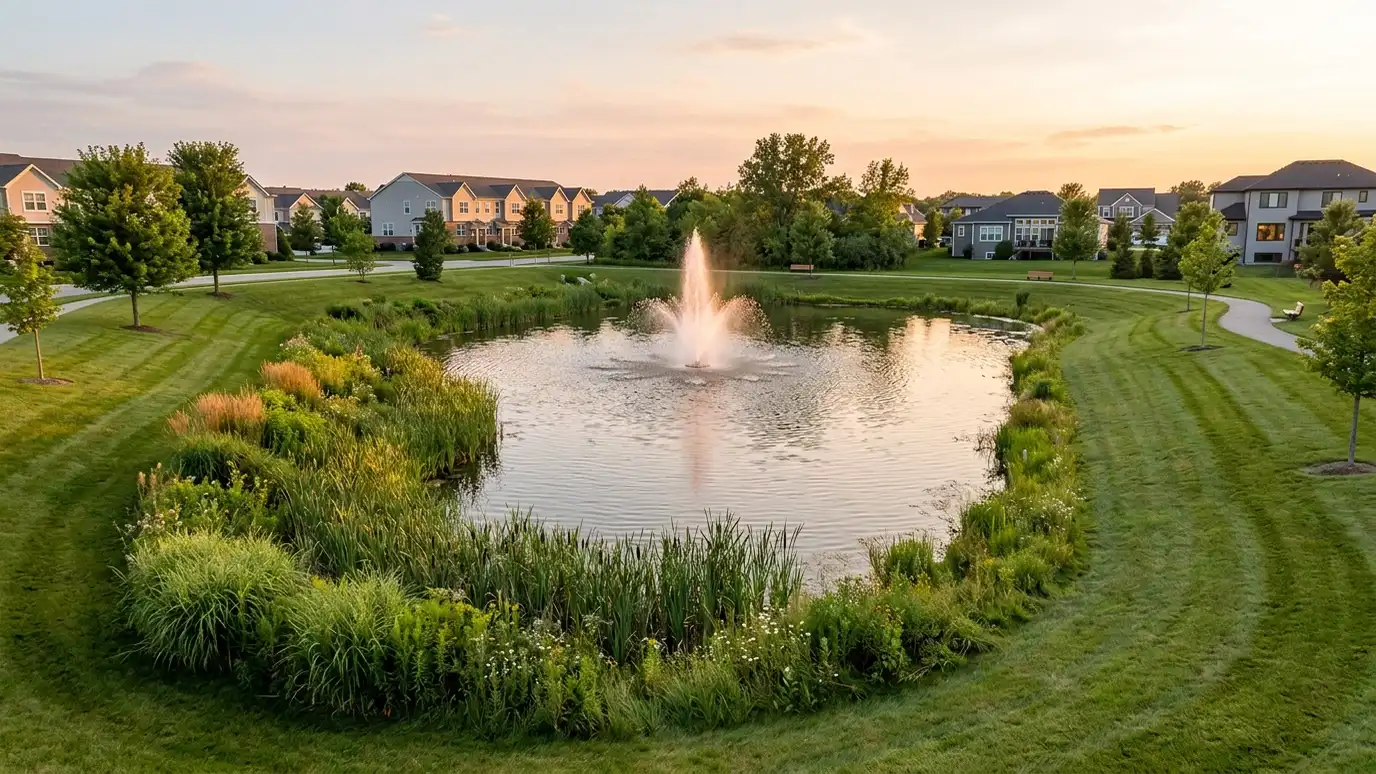
Know what you have
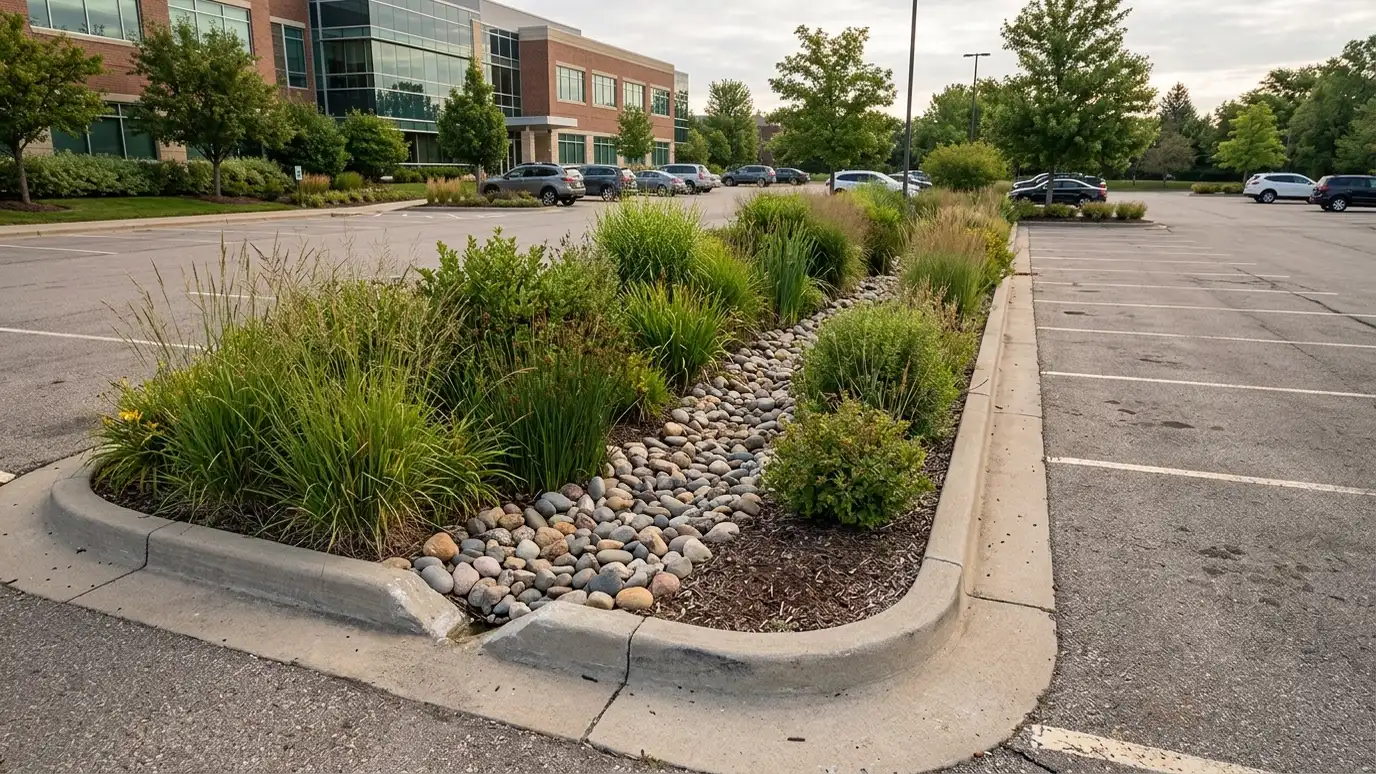
Start by identifying every pond and basin, who owns it, what it was designed to do and what obligations come with it. Check plats, covenants and any local stormwater maintenance agreements.
Keep a file with plans, inspection reports and repair records.
Inspect regularly
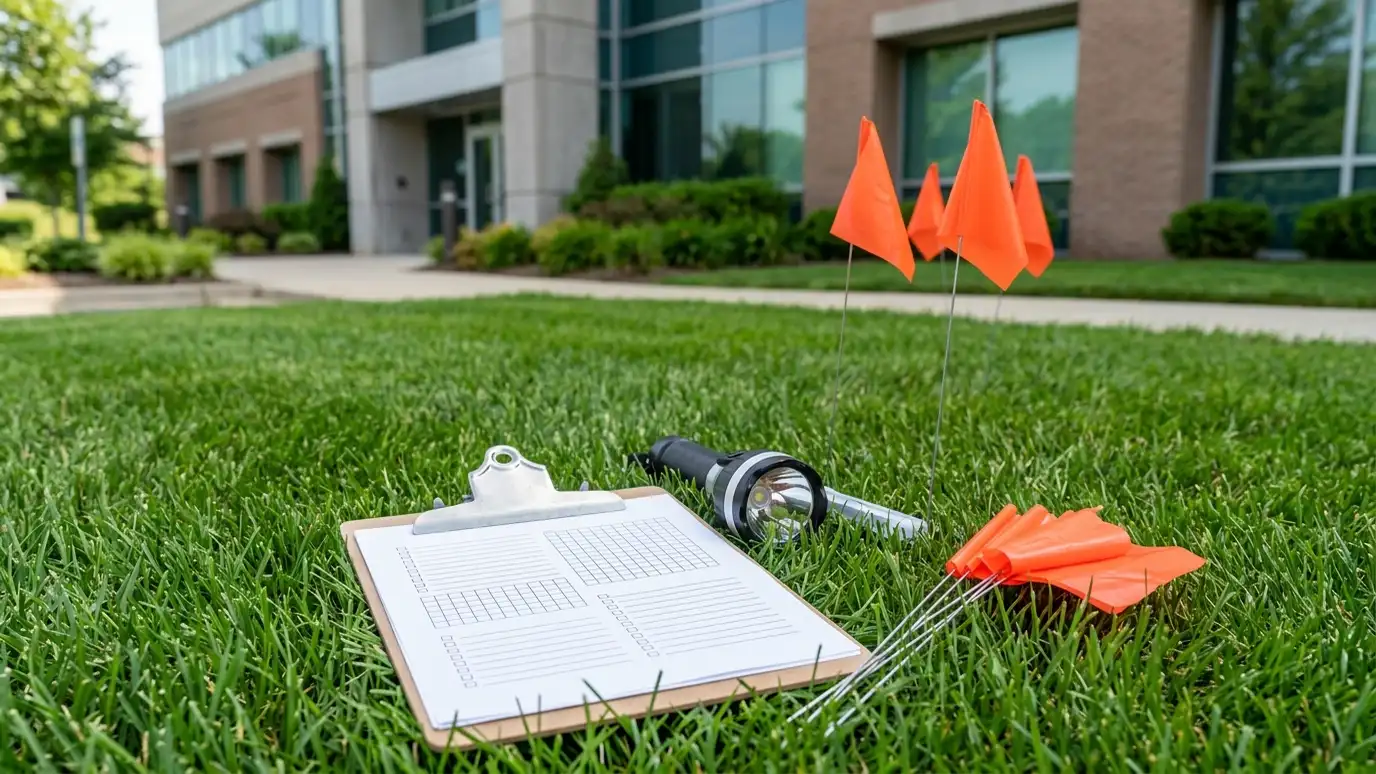
Walk each pond at least seasonally and after major storms. Look at inlets, outlets, banks, embankments, overflow structures and vegetation. Photograph conditions and note changes.
Small problems such as a clogged outlet or a new gully are easy to fix when found early.
Care for the banks
Mow banks on a schedule that suits the design. Some basins call for shorter turf, others for taller native buffers. Control woody growth that can damage embankments, and repair erosion promptly.
Stabilize bare soil with grass, blankets or stone depending on the slope and flow.
Manage shoreline plants
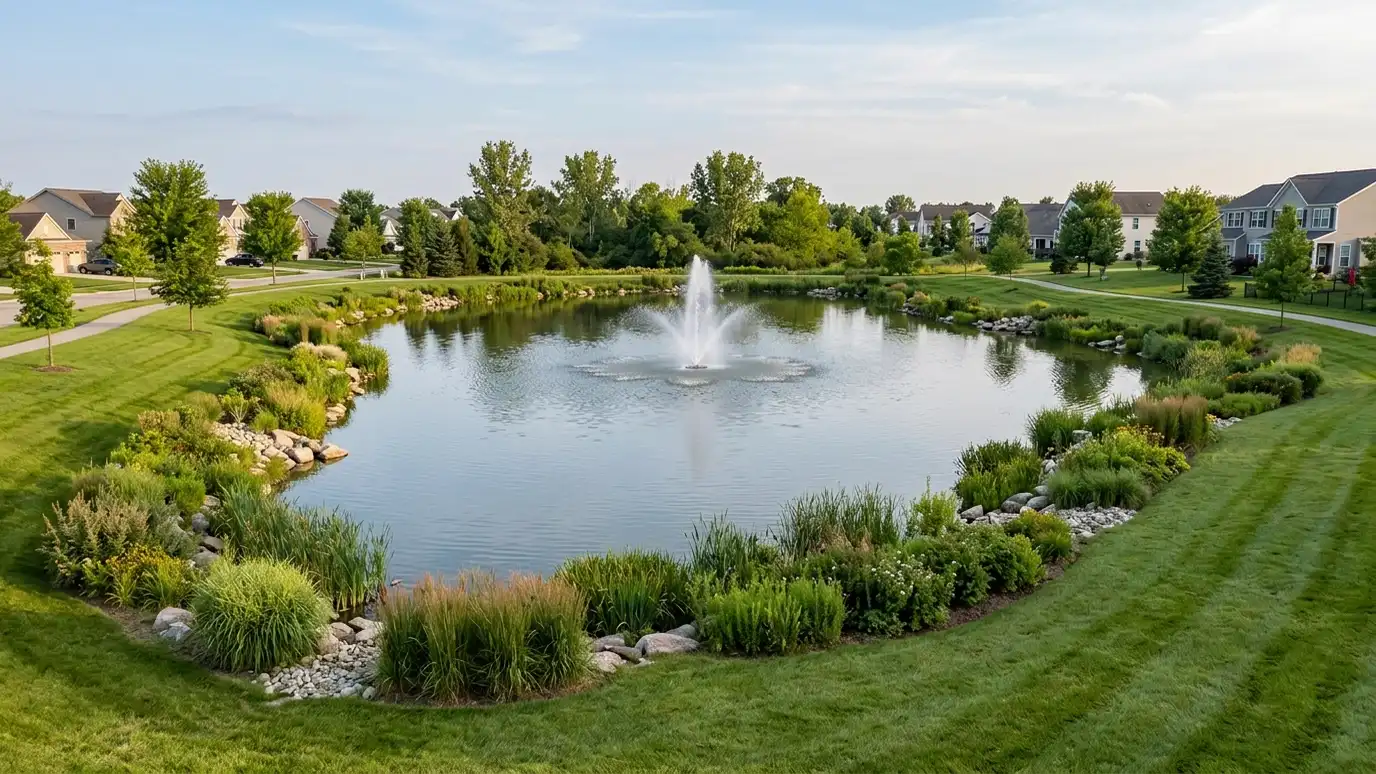
Native shoreline plants filter runoff, stabilize soil and discourage geese. Avoid invasive species and thin cattails that crowd out other plants or clog outlets.
A planted buffer is often more effective and more attractive than turf to the water’s edge.
Keep inlets and outlets clear
Debris at inlets and outlets can reduce capacity and cause flooding. Clear trash, leaves and sediment, and check pipes and structures for damage.
Clean after heavy rain events and keep a log of work.
Water quality and aeration
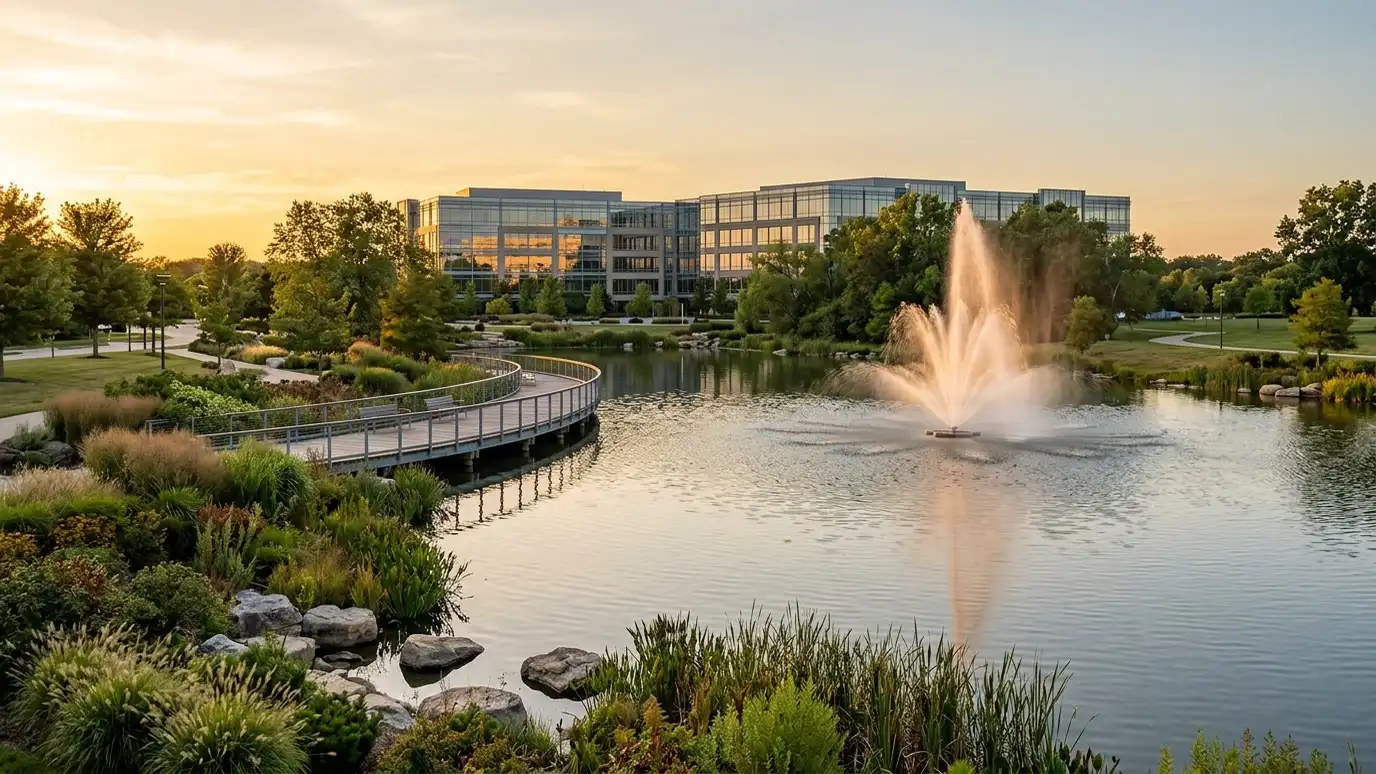
Algae, odor and fish kills often stem from excess nutrients and low oxygen. Aerators and fountains help, and reducing fertilizer runoff from nearby lawns helps more.
For treatments or testing, work with a pond management specialist.
Know when to call an engineer
Cracks in embankments, seepage, sinkholes, damaged outlet structures or major sediment buildup are signs that an engineer should assess the basin. Delay can lead to expensive failures.
Budget for periodic dredging and structural inspection in the reserve plan.
Inspect every season and after storms, keep outlets clear and call an engineer for anything structural.