
Why reporting matters
Landscape service is easy to overlook until a complaint arrives. Reports give you evidence that work was done, a record of issues and a way to show owners and boards where the money goes.
Good reports also help contractors, who can prove their work and flag problems before they grow.
What to ask for
Ask for visit logs with dates and tasks, photos of key areas, notes on issues found, a tracker for requests and a short monthly summary. Keep requirements practical so crews can deliver them every time.
Define the format and delivery method, such as email or a shared folder.
Photo standards
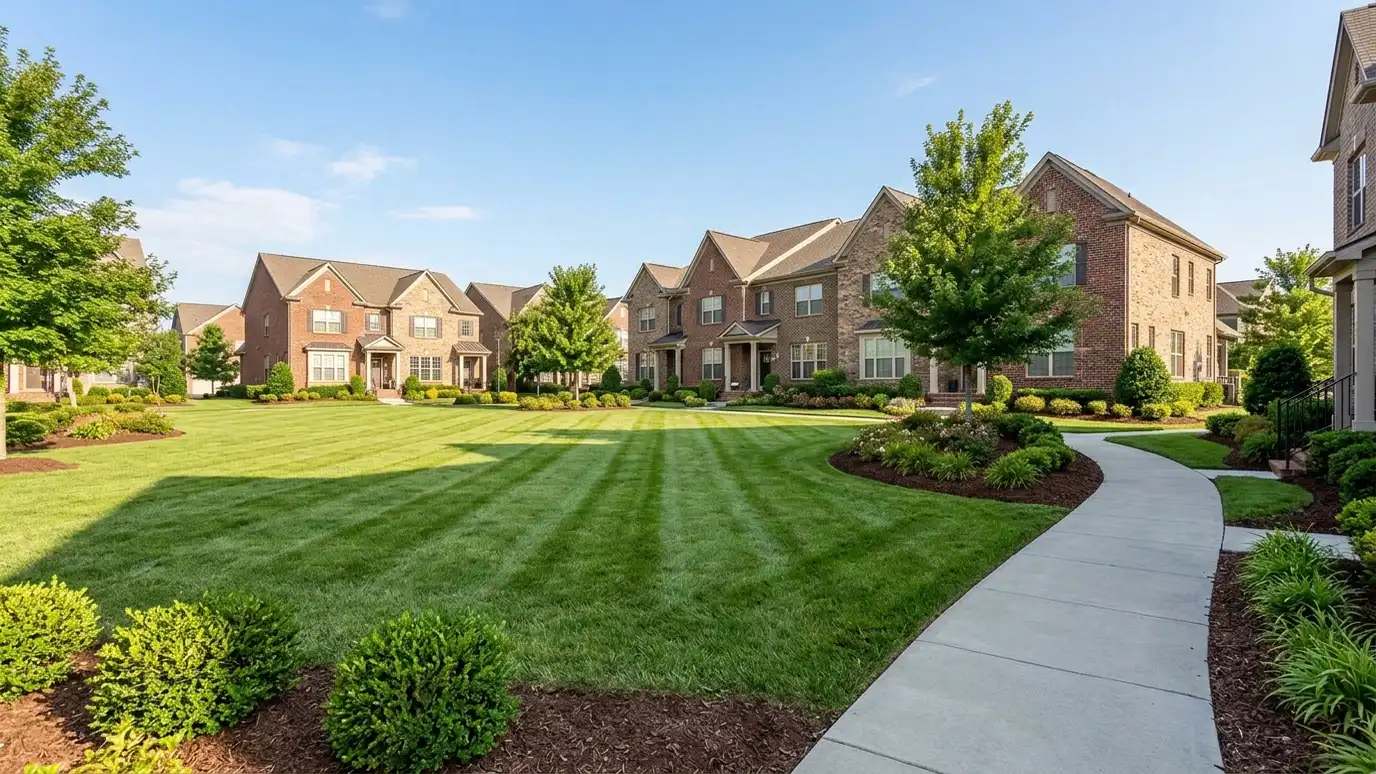
Use consistent photo locations, such as the entrance, a few parking islands, a pond and a main walk, so changes over time are easy to see. Take before-and-after photos for projects and repairs.
Date-stamped photos protect everyone.
Issue and request tracking
Keep a simple list of issues with the date reported, who reported it, what was done and the date closed. Review it monthly with the contractor.
Patterns, such as repeated irrigation failures in one zone, point to bigger fixes.
Meetings that work
A short monthly call or walk, plus a quarterly review, keeps communication open. Agree on an agenda with open issues, upcoming seasonal work, budget status and ideas.
Send a one-paragraph summary afterward.
Reports for boards and owners
Create a one-page summary with highlights, issues, photos and next steps. Keep it factual and positive but honest. Boards appreciate brevity and clarity.
Attach detailed logs only when requested.
Ask for dated logs, consistent photos and a one-page monthly summary, then review open issues together.