Why use an RFP
A request for proposals puts every contractor on the same page. It describes the property, lists the services you want and tells bidders how to price them, which makes comparison straightforward and defensible.
For HOAs and public entities, a structured process also shows the board or the public that the decision was fair.
What to include
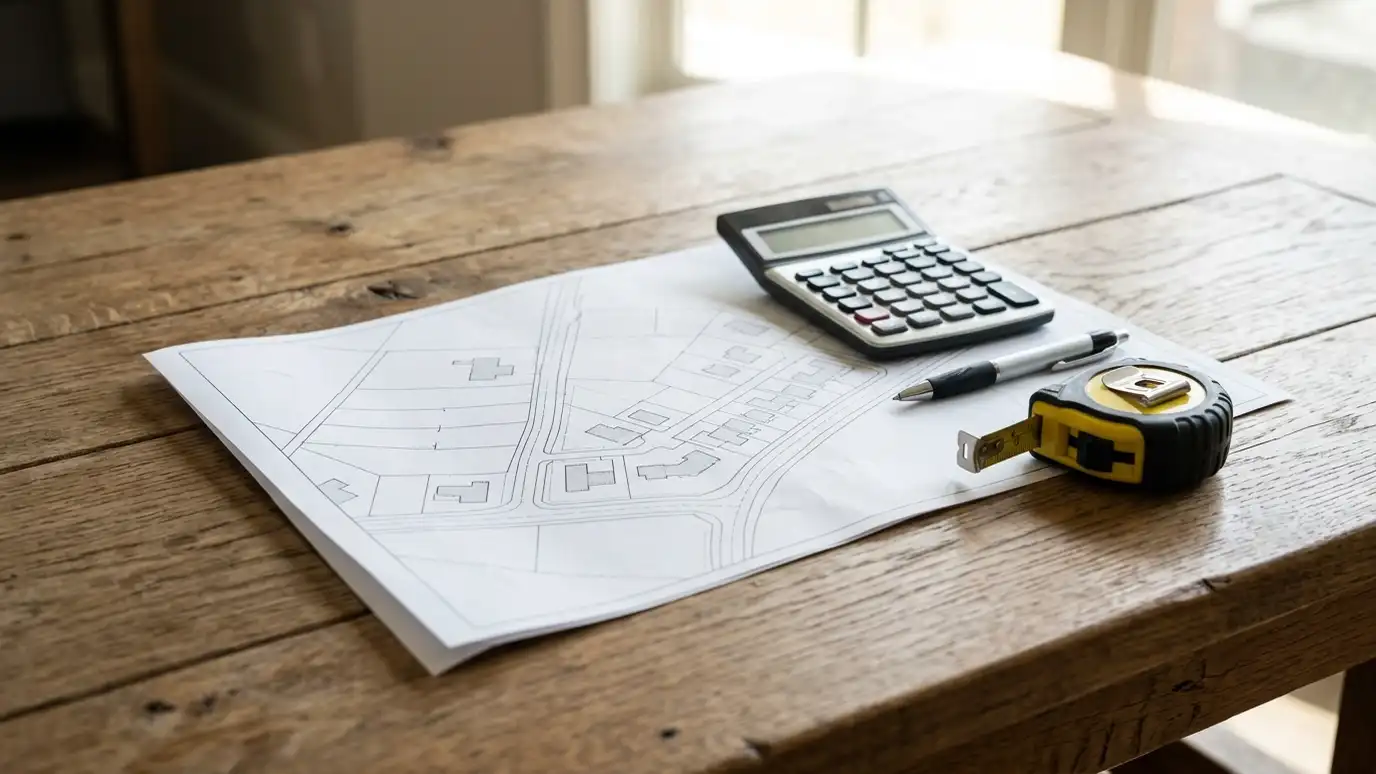
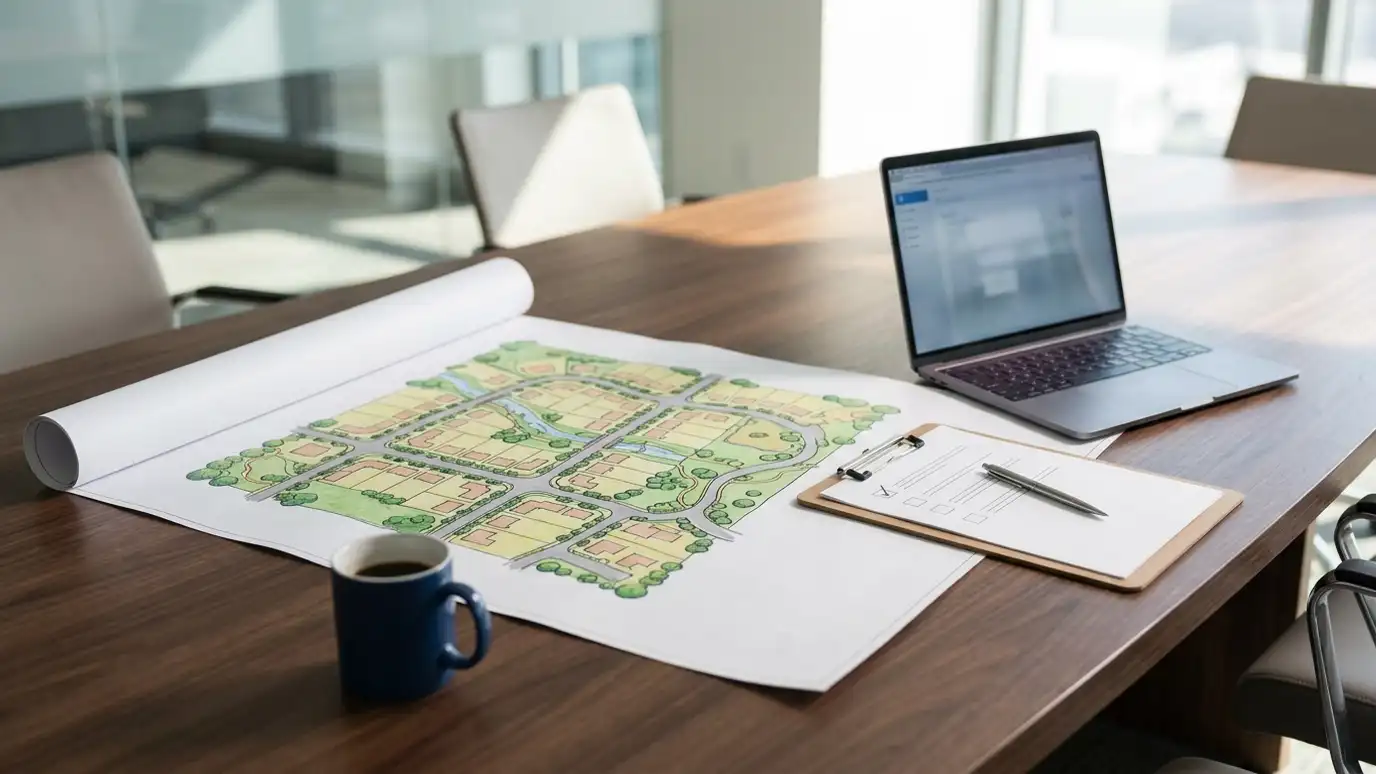
Include a property map, the list of areas and tasks, service frequencies by season, any special requirements such as ponds, trails or snow, insurance requirements, contract length, start date and how bids will be evaluated.
State the format you want so bids arrive in a consistent layout, and set a deadline and a contact person for questions.
Run a site walk
Host a single walk for all bidders, or allow individual walks with the same information. A walk reduces assumptions and surfaces issues like access, gates and hazards that affect pricing.
Record questions and answers and share them with every bidder, so nobody has an advantage.
Use a bid form
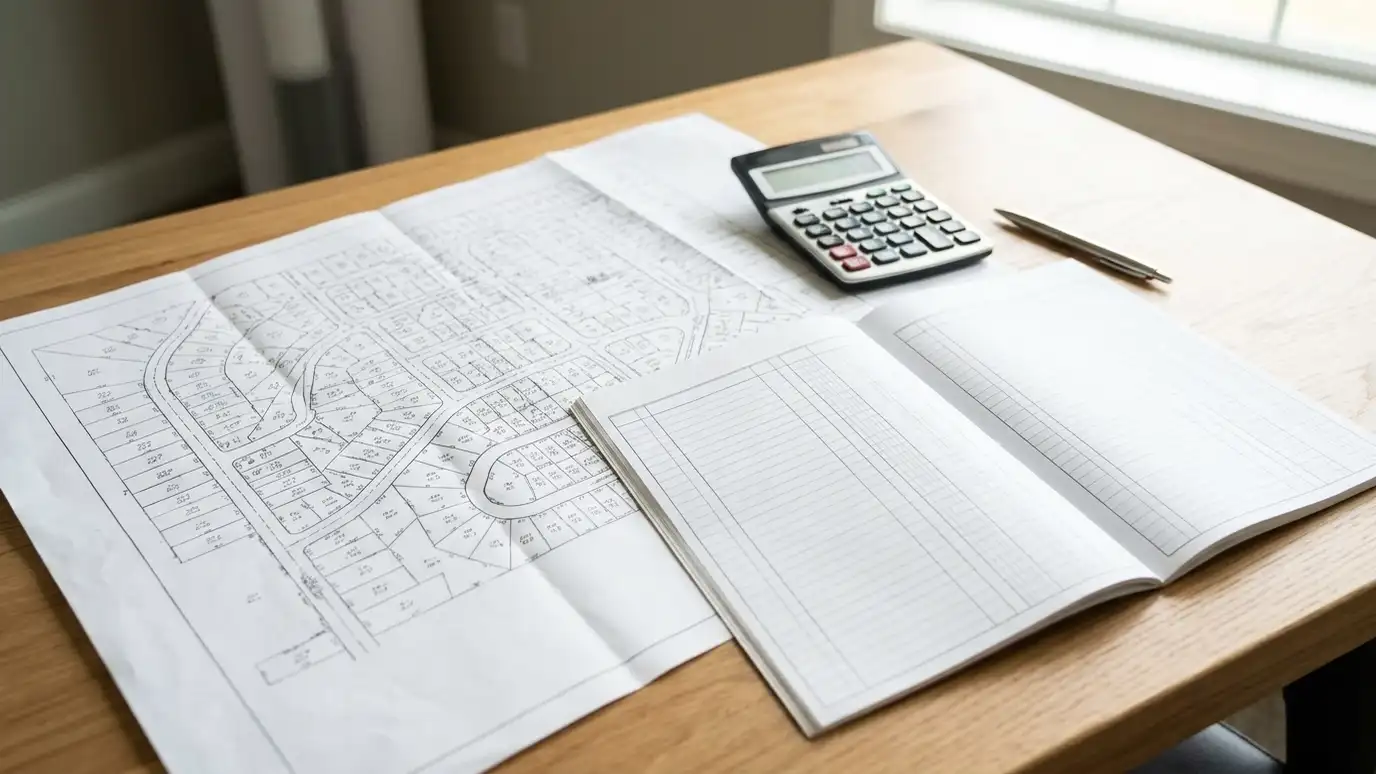
A bid form lists each task and area with columns for frequency and price, plus lines for optional services and extras. It makes totals comparable and reveals scope gaps at a glance.
Ask bidders to state exclusions, assumptions and how extras are priced, which prevents surprises after award.
Score more than price
Weigh price alongside experience, references, communication, crew structure, equipment, insurance and safety practices. A simple scoring sheet with weights keeps the committee focused on the same criteria.
The Bid Comparison Scorecard on this site shows one way to do this, and you can adjust the weights to match your priorities.
Interview finalists
Meet your top two or three bidders. Ask how they would handle your toughest areas, how they will staff the account and how they communicate. Check references again if needed.
A short interview often reveals more than the paperwork.
Award and transition
Award the contract in writing with the final scope, start date and reporting expectations. Plan the transition from the old contractor with a walkthrough, photos and a catch-up month if needed.
Set a review date after the first quarter to confirm the program is working as promised.
Give every contractor the same scope and bid form, then score the answers on more than price.