Read the current contract
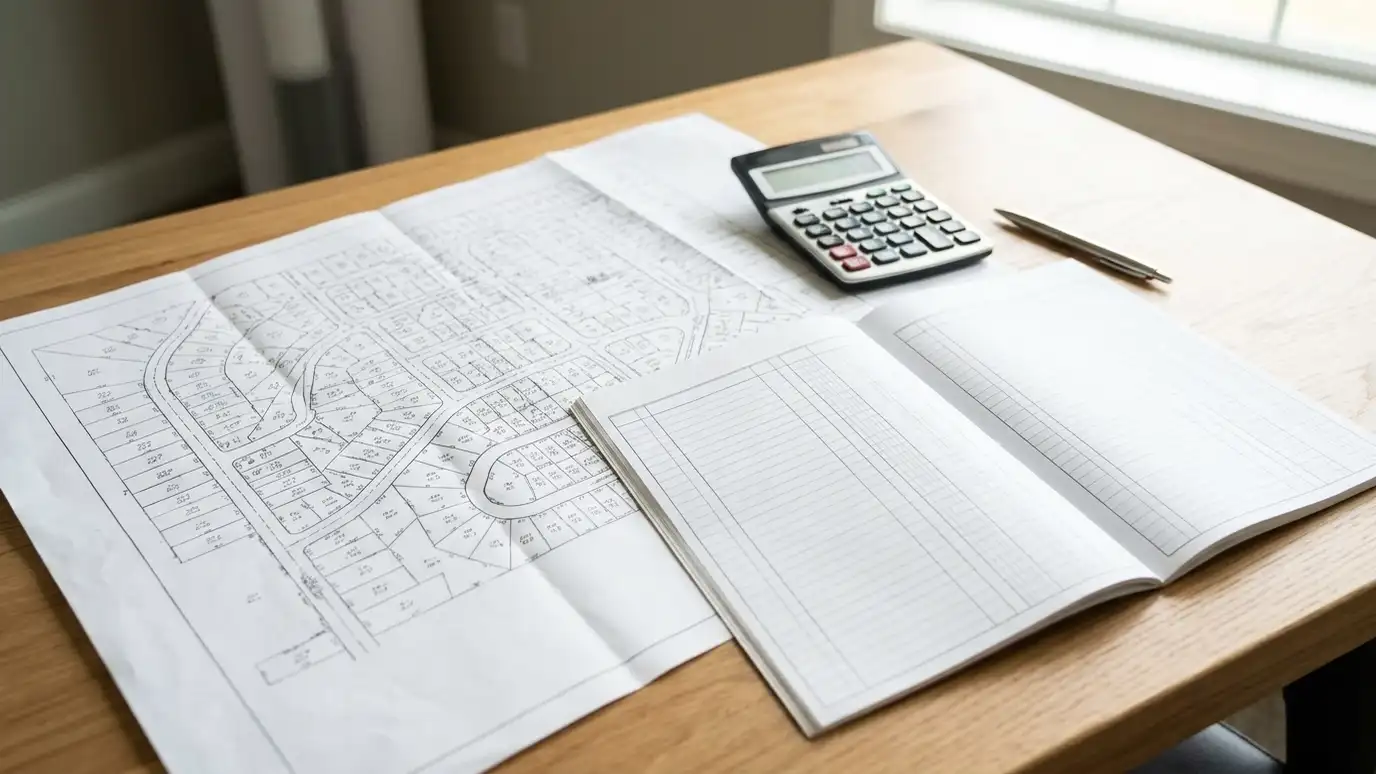
Check the term, notice period, auto-renewal language and any early termination terms. Note the date by which notice must be given, because missing it can lock you in for another term.
Have the board or your attorney confirm what is required.
Document conditions
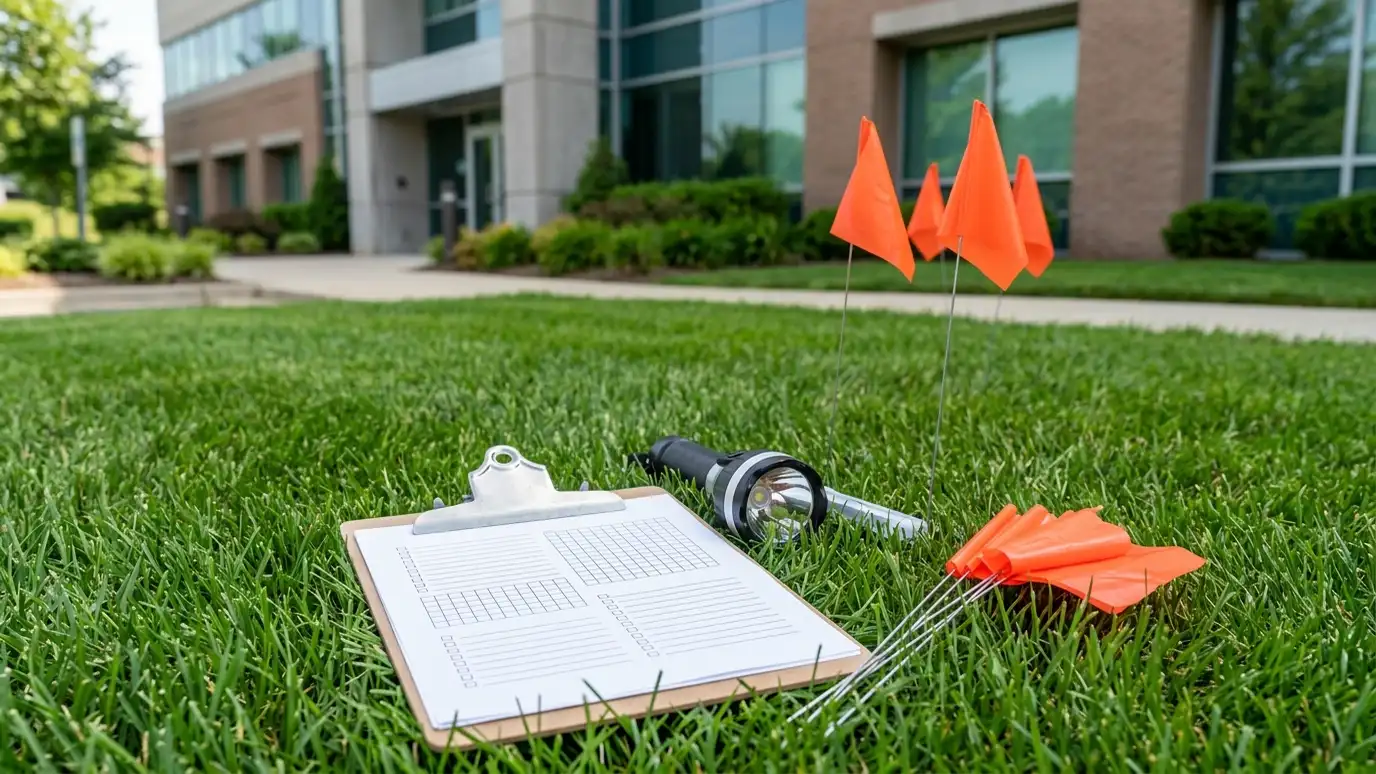
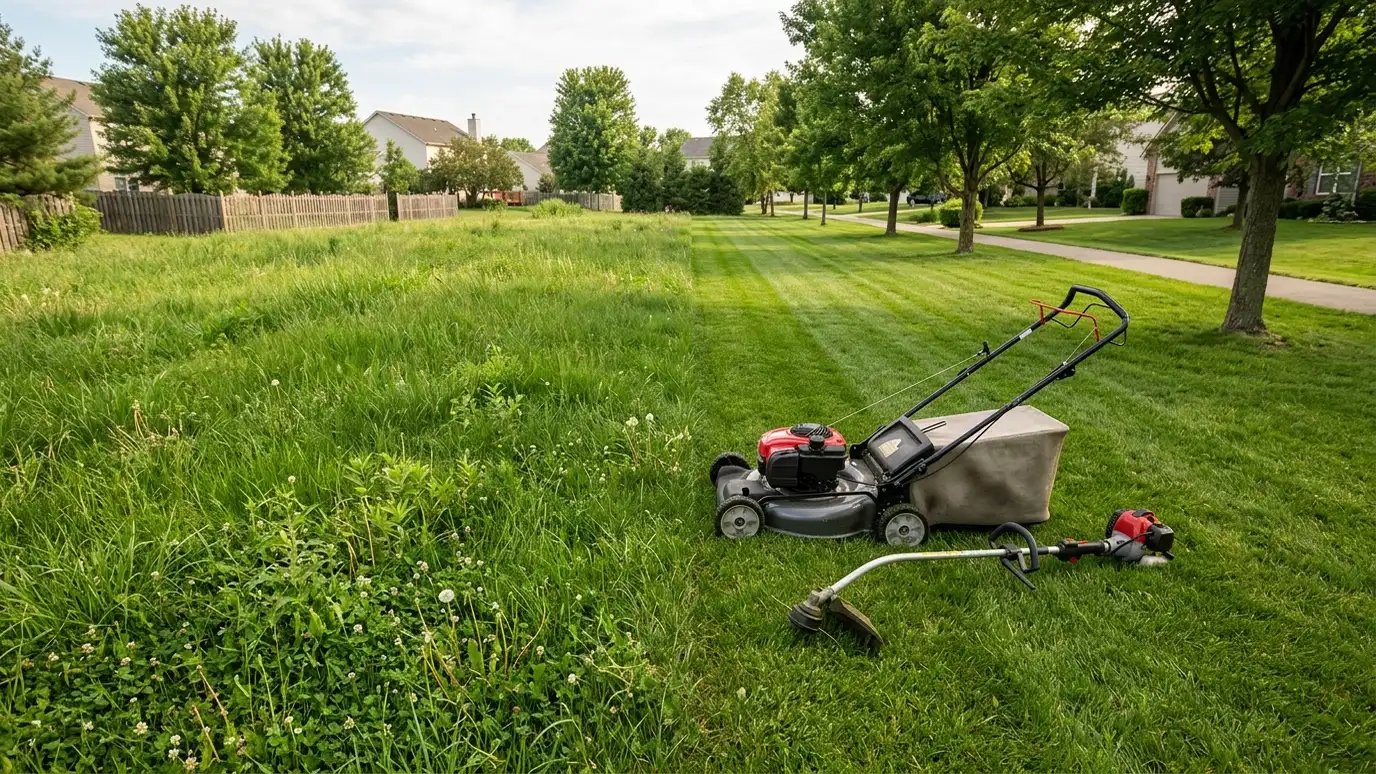
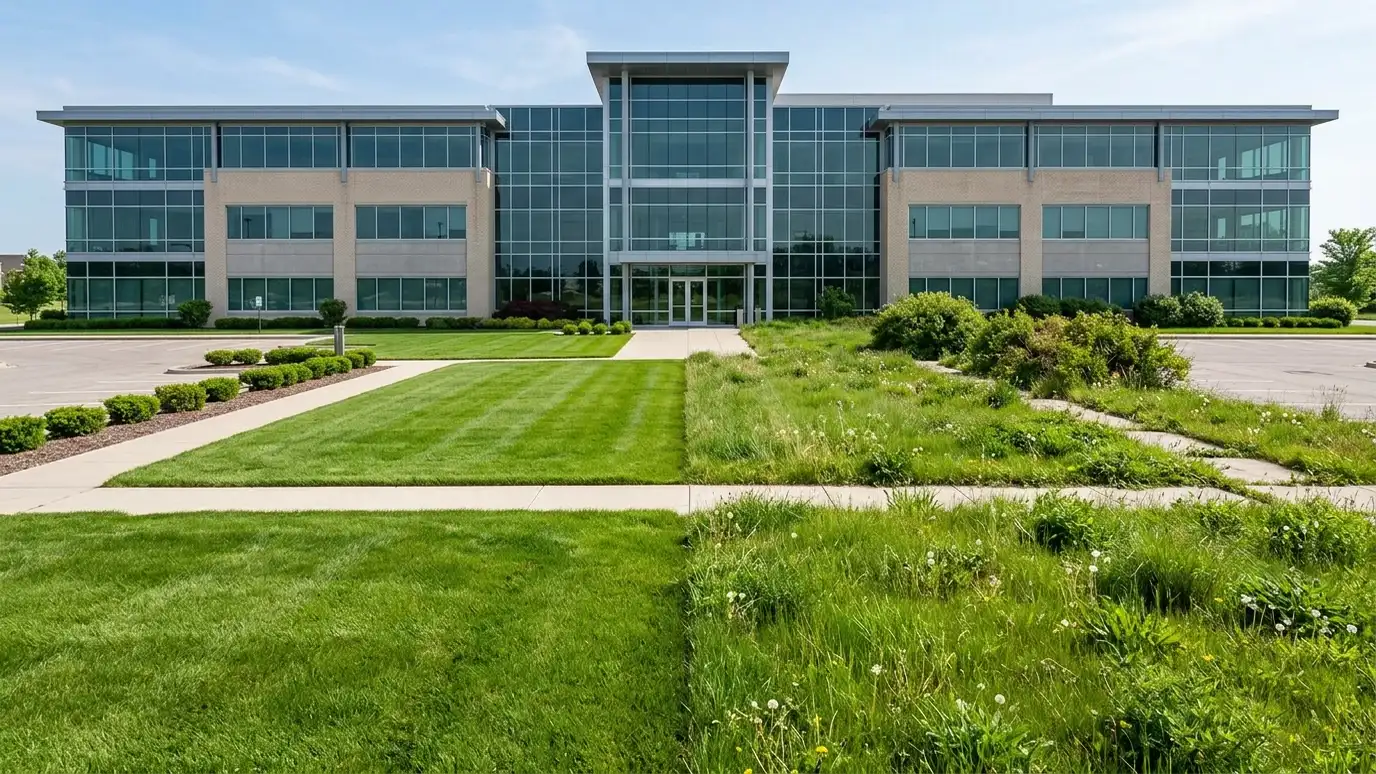
Walk the property and photograph turf, beds, trees, irrigation and hardscape. Note problem areas and open requests. This baseline helps in any disputes and gives the new contractor a clear starting point.
Share the notes with finalists during bidding.
Write a clean scope
Use the opportunity to rewrite the scope in plain language, with areas, tasks and frequencies. Remove outdated items and add what has been missing.
Ask each bidder to price the same scope.
Plan the start date
Choose a start date that follows the old contract end without a gap. Notify the old contractor in writing, and arrange for equipment, gate codes, irrigation controller access and keys.
Coordinate the transition of irrigation controller programming and system records.
Run a reset month
The first month often includes extra work to bring beds, edges and turf up to standard. Agree on what the reset includes and how it is priced, so expectations are clear.
Photograph progress to show residents and tenants what is changing.
Communicate with residents and tenants
Send a short notice explaining the change, the new contact and what to expect. Provide a clear route for requests, and respond quickly in the first weeks.
Early communication prevents complaints from escalating.
Review after 90 days
Meet with the new contractor after three months to review performance, adjust scope and plan seasonal work. Record lessons for future transitions.
A short review keeps the program on track after the honeymoon period.
Photograph conditions, write a clear scope and plan a start date with no gap, then review after ninety days.