Start with your property type
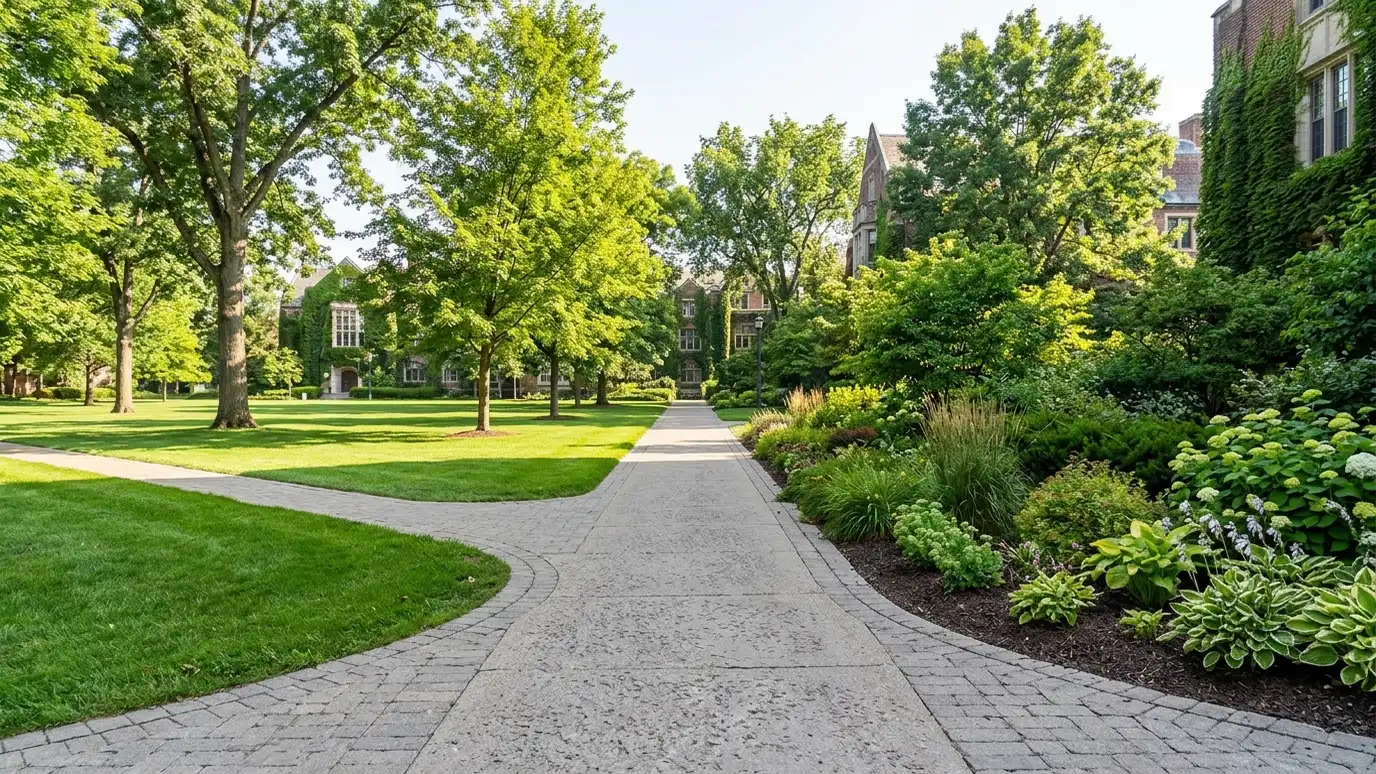
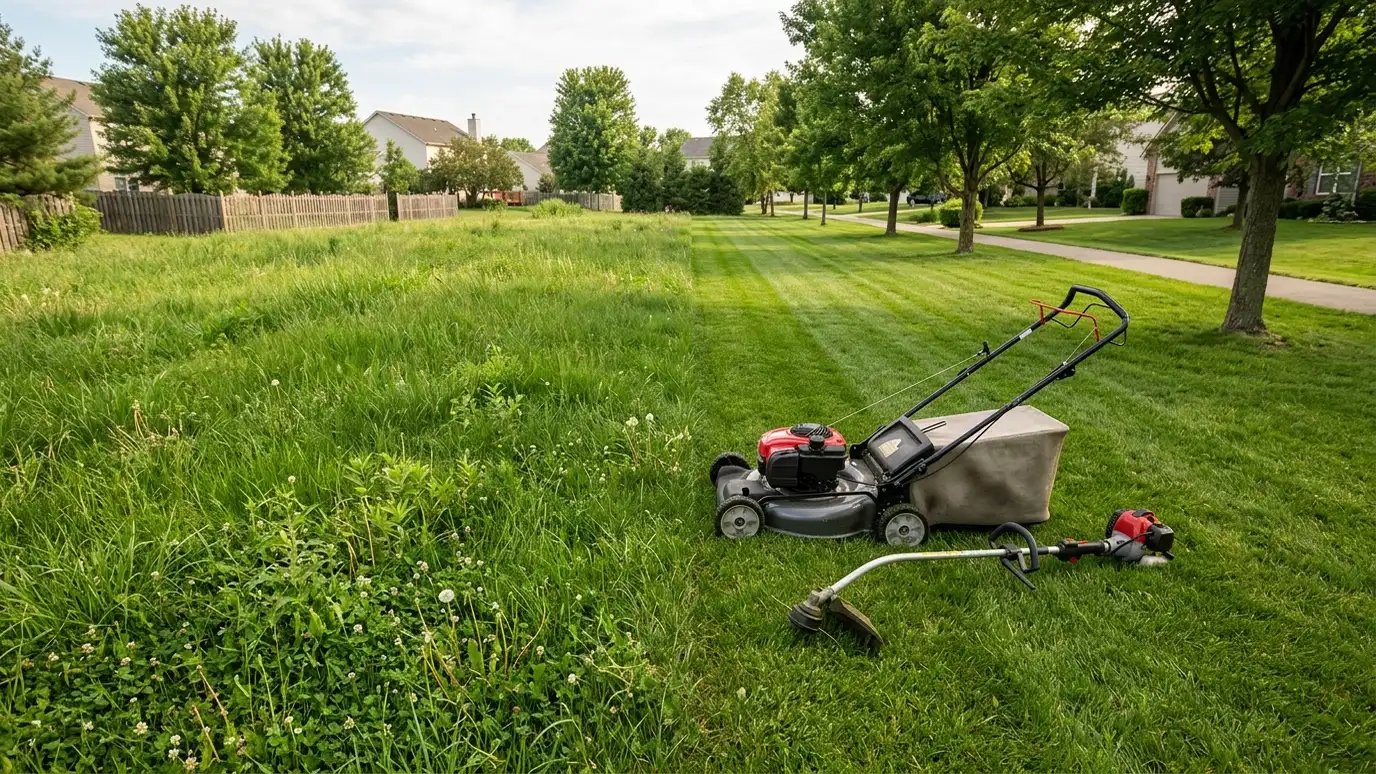
A company that excels at single-family lawns may struggle with a large campus, an HOA with ponds and trails or a shopping center that needs daily attention. Ask whether the contractor currently maintains properties like yours and how large they are.
Visit a property they maintain, if possible, and look at the edges, beds, parking islands and trees. The details tell you more than a brochure.
Ask about crews and management
Find out whether the company uses its own crews or subcontractors, how many properties each crew handles per day and who supervises quality. A good company can explain its routes, its training and how it handles turnover.
Ask who you will call when something goes wrong, how quickly calls are returned and whether you will have a named contact.
Request references that match
Ask for current clients with properties similar to yours and call them. Ask whether the crew arrives on schedule, whether problems are fixed quickly and whether the contractor communicates well when plans change.
A contractor who hesitates to share references, or only offers one, deserves extra questions.
Verify paperwork
Ask for a certificate of insurance that names your property, proof of workers’ compensation coverage where required and the state certifications needed for pesticide application. Confirm equipment safety practices and what happens if someone is hurt on your property.
Keep copies of every document with the contract. A manager who files paperwork up front is protected if an incident occurs later.
Compare scopes and terms
Make sure each contractor prices the same written scope. Compare service frequencies, seasonal work, extras, pricing structure, annual increases, termination terms and reporting.
Be wary of vague phrases such as full service or as needed. They can mean very different things to different companies.
Watch for red flags
Red flags include unusually low bids, pressure to sign quickly, no written scope, no proof of insurance, no references, trucks without company identification and an unwillingness to put promises in writing.
If the sales process feels disorganized, the service often will too.
A simple decision checklist
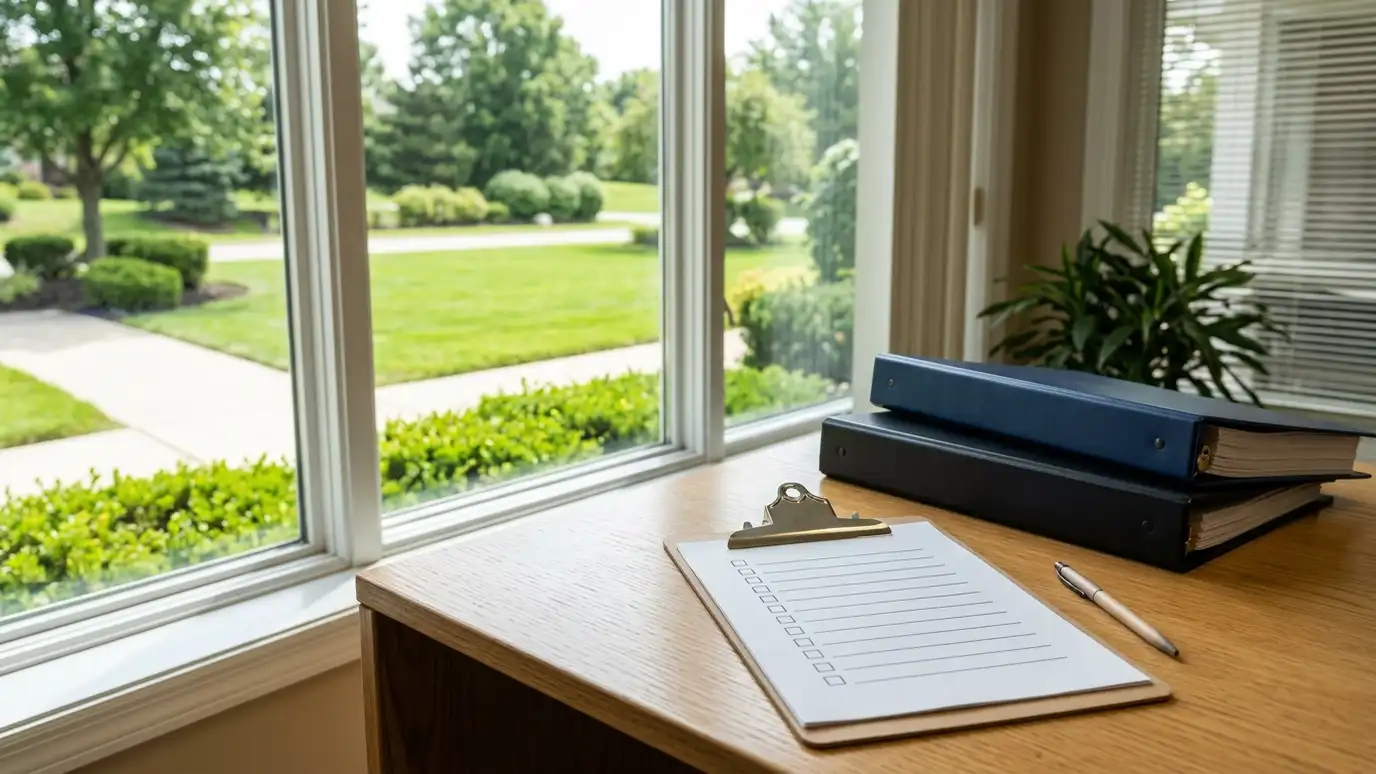
Before you decide, confirm that the scope is in writing, references are positive, paperwork is complete, communication is clear, the schedule fits your property and the price is competitive for what is included.
When two contractors are close, choose the one that explains the plan most clearly and whose crew leader you trust.
Hire the contractor who can show similar properties, explain the plan clearly and put everything in writing.