Where the waste hides
Most commercial water waste comes from leaks, broken heads, poor coverage, wrong run times and watering during or right after rain. Overspray onto pavement and walls adds to the loss.
A walk of every zone, with the system running, often reveals problems in a single visit.
Audit the system
An irrigation audit measures how much water each zone applies and how evenly. It identifies mismatched nozzles, poor pressure, clogged heads and zones that need schedule changes.
Audits provide a baseline so improvements can be measured.
Set schedules by zone
Sun, soil, slope and plant type decide how much water each zone needs. Clay soil takes water slowly, so cycle and soak programs apply water in shorter bursts to prevent runoff.
Seasonal adjustments matter, since July and October have very different needs.
Smart controllers and sensors
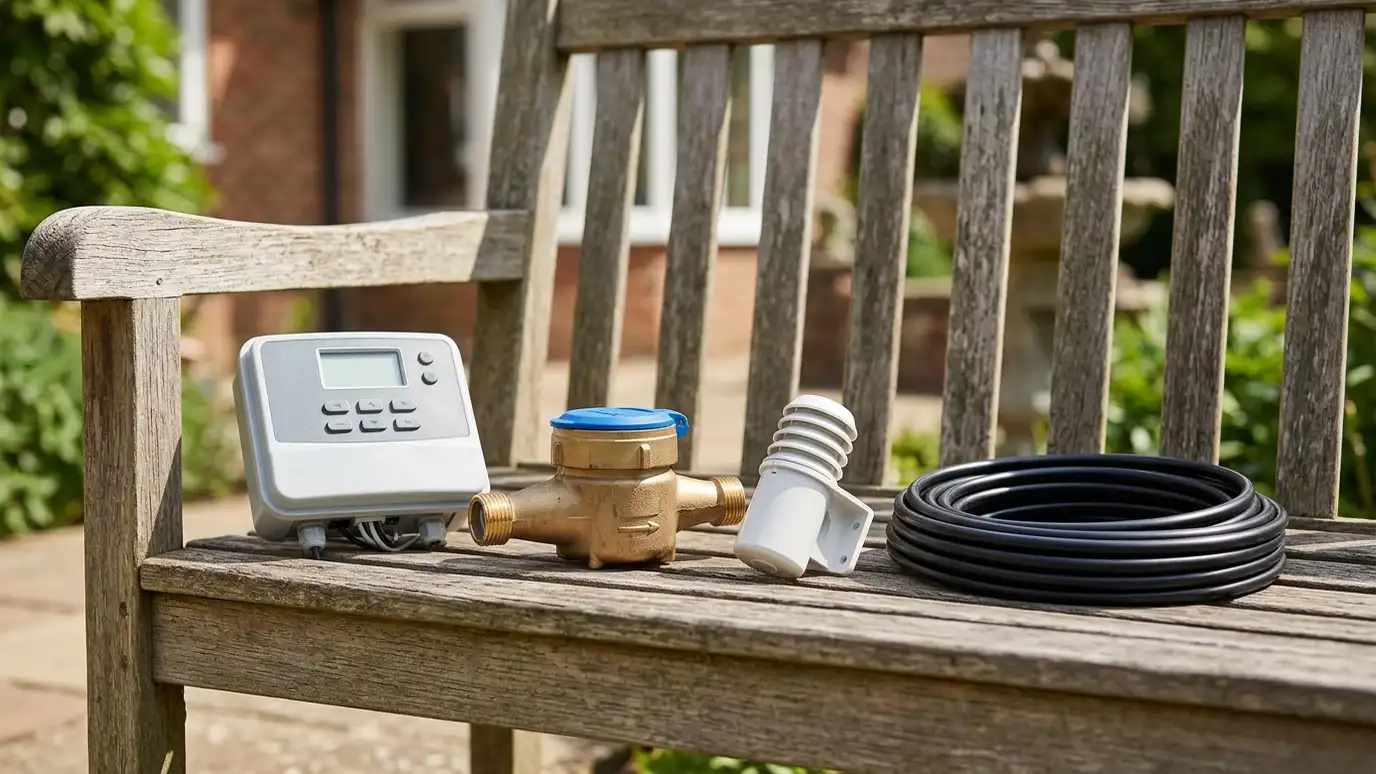
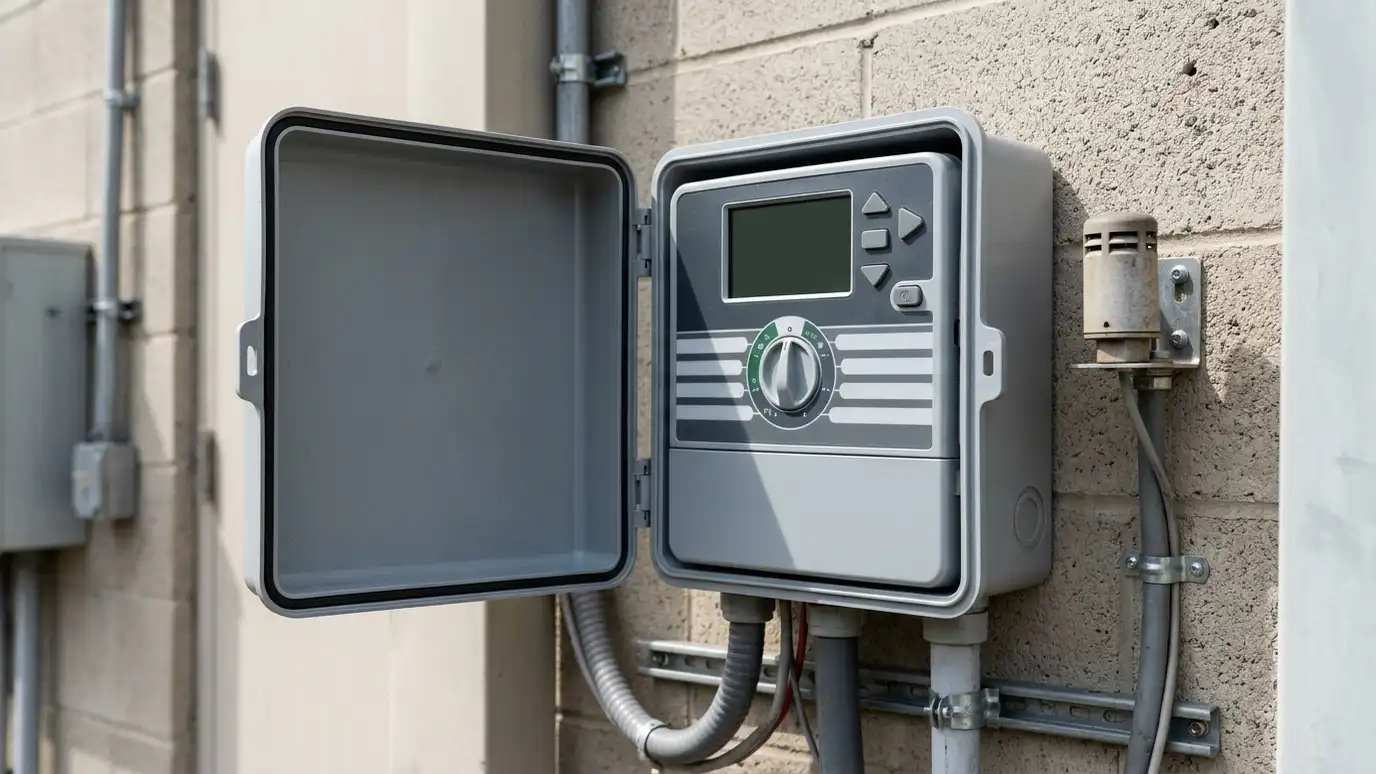
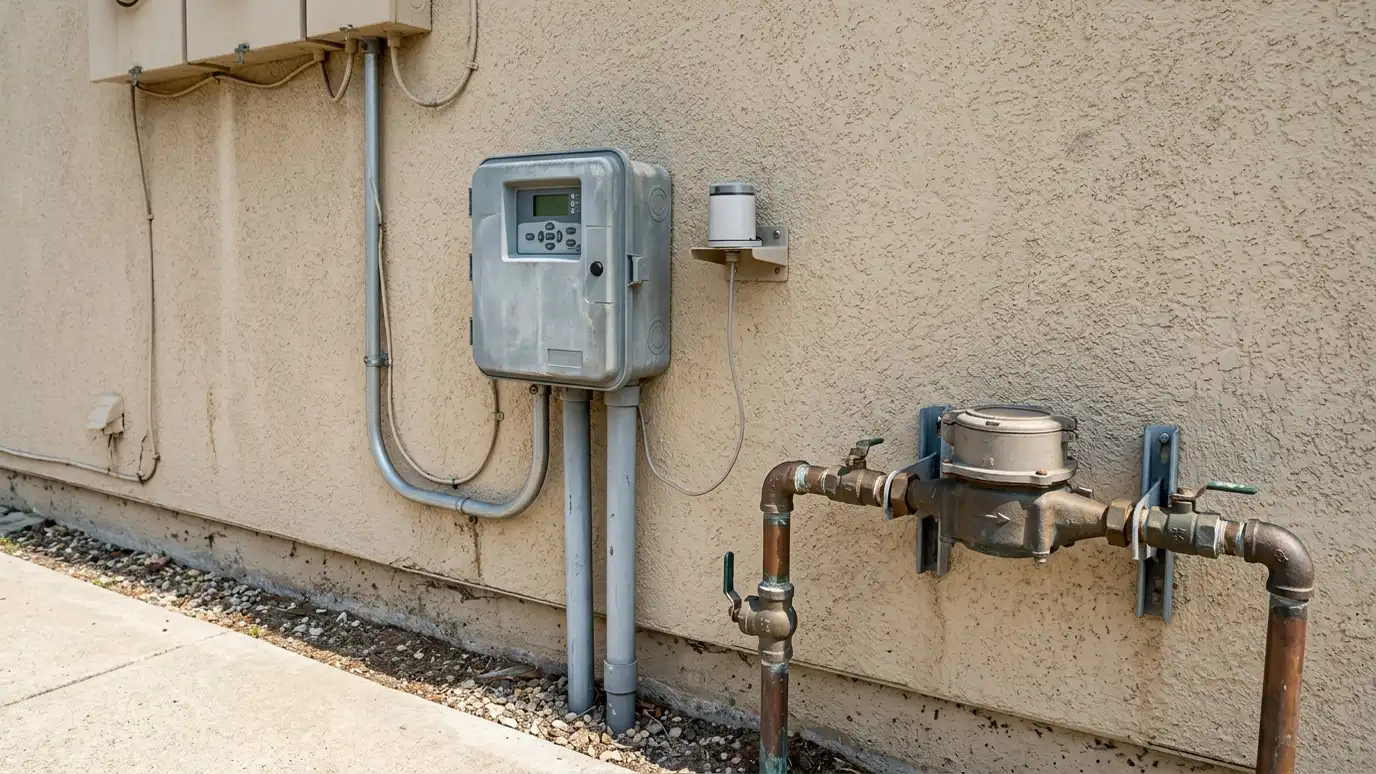
Weather-based controllers adjust run times to rain, temperature and sunlight, and rain and freeze sensors shut systems off when watering would be wasted. Flow sensors and master valves detect leaks and stop them.
Together these tools can lower water use significantly without harming plants.
Drip and low-water zones
Beds and trees do best with drip irrigation, which puts water at the roots with little waste. Converting low-use turf to native or low-water plantings can reduce irrigation needs further.
Plan conversions where turf serves little purpose.
Maintenance routines
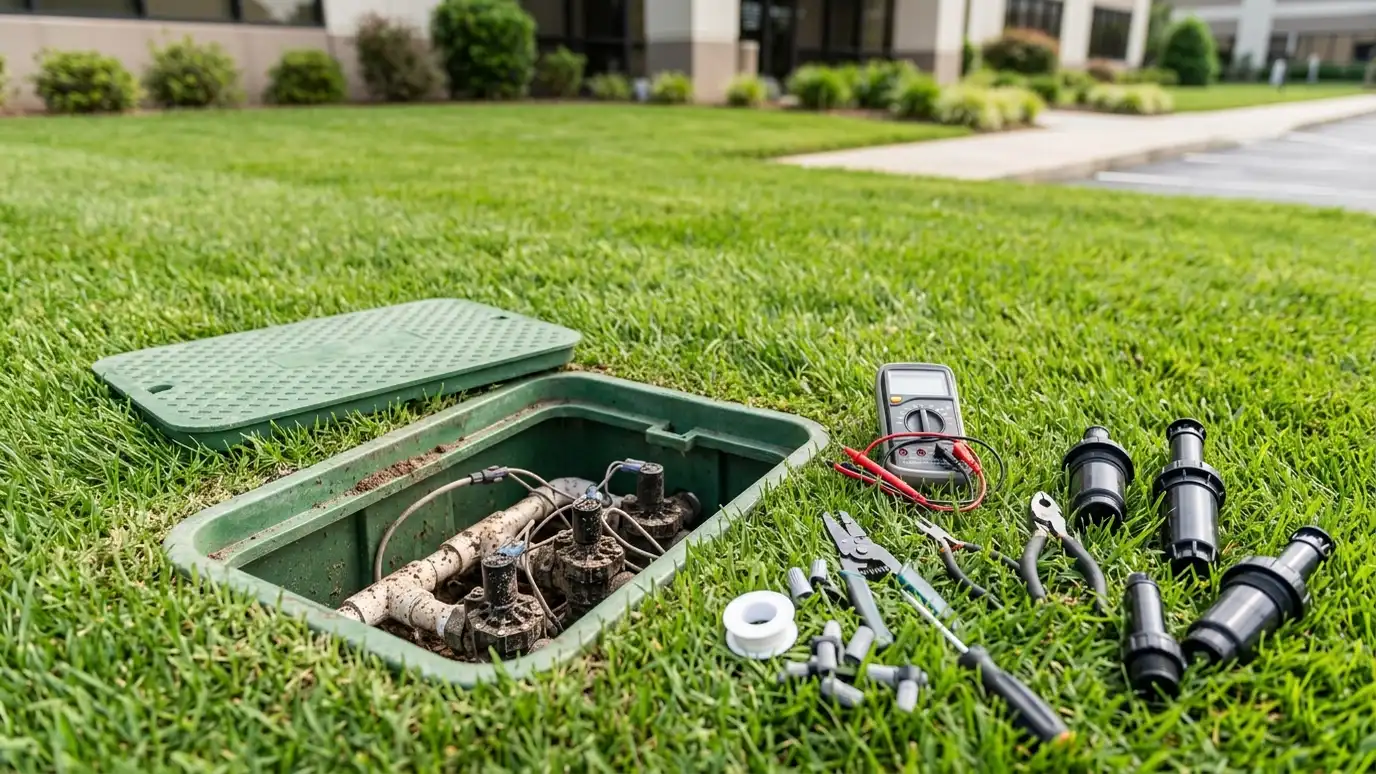
Spring startup, regular checks, quick repairs and fall winterization prevent most problems. Keep records of repairs and water use so patterns are visible.
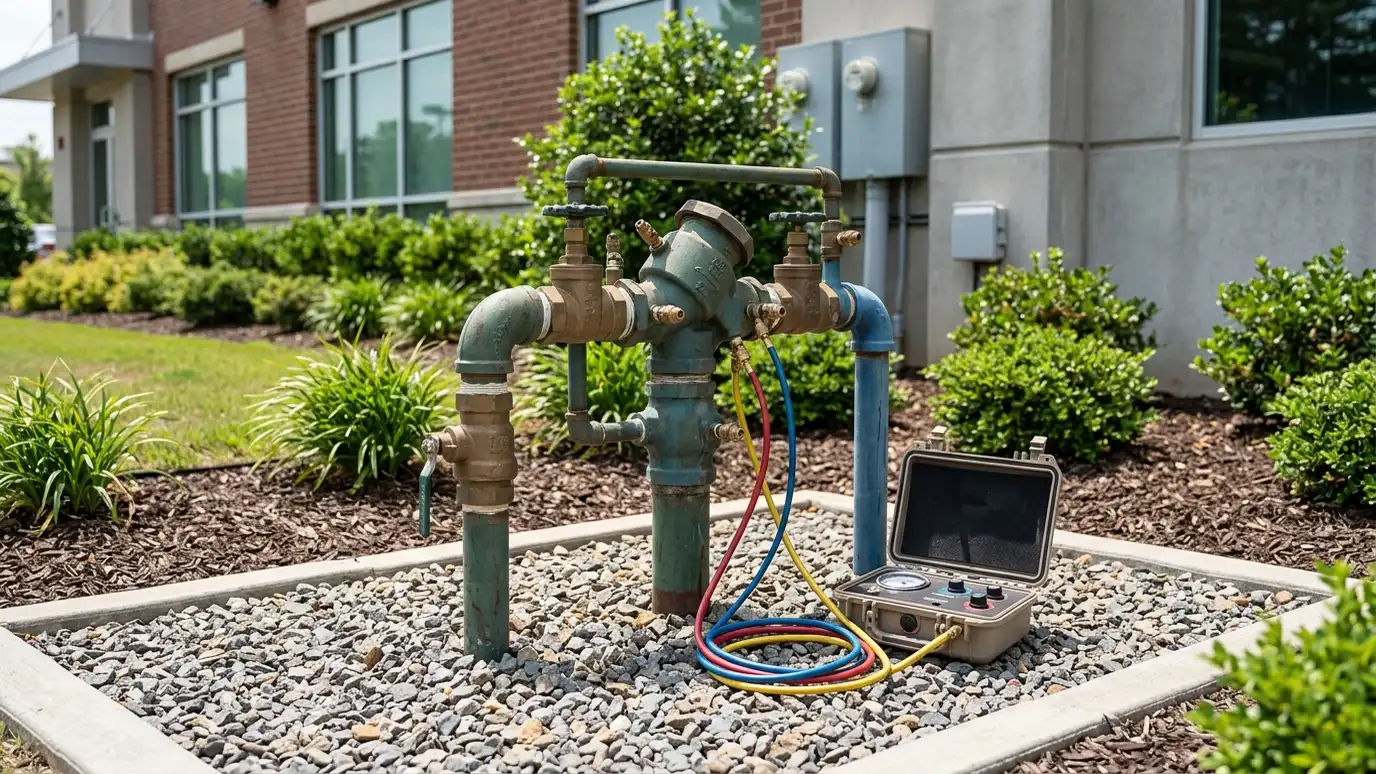
Backflow testing is required by many water providers and should be scheduled each year.
Track results
Monitor monthly water bills and compare year over year, adjusting for weather. Share savings with owners or boards so the value of improvements is clear.
The Water Use Estimator on this site can help you model savings.
Fix leaks first, schedule by zone and add smart controls and sensors to stop waste automatically.