
Hazard Tree Assessment and Canopy Inventory
Systematic tree risk reviews and canopy inventories for properties with trees near people, lots and buildings, with prioritized recommendations.
Property owners and managers are expected to take reasonable care of trees on their land, especially those that overhang parking, walks, playgrounds and buildings. After a tree or limb fails and causes damage or injury, the first question is whether anyone had looked at it. A written assessment shows that the owner acted reasonably, and more importantly it prevents failures by catching defects early. In Middle Tennessee, storms, wet soils and age make large oaks, maples and poplars particular concerns, and many failures come from defects that a trained eye can see well in advance.
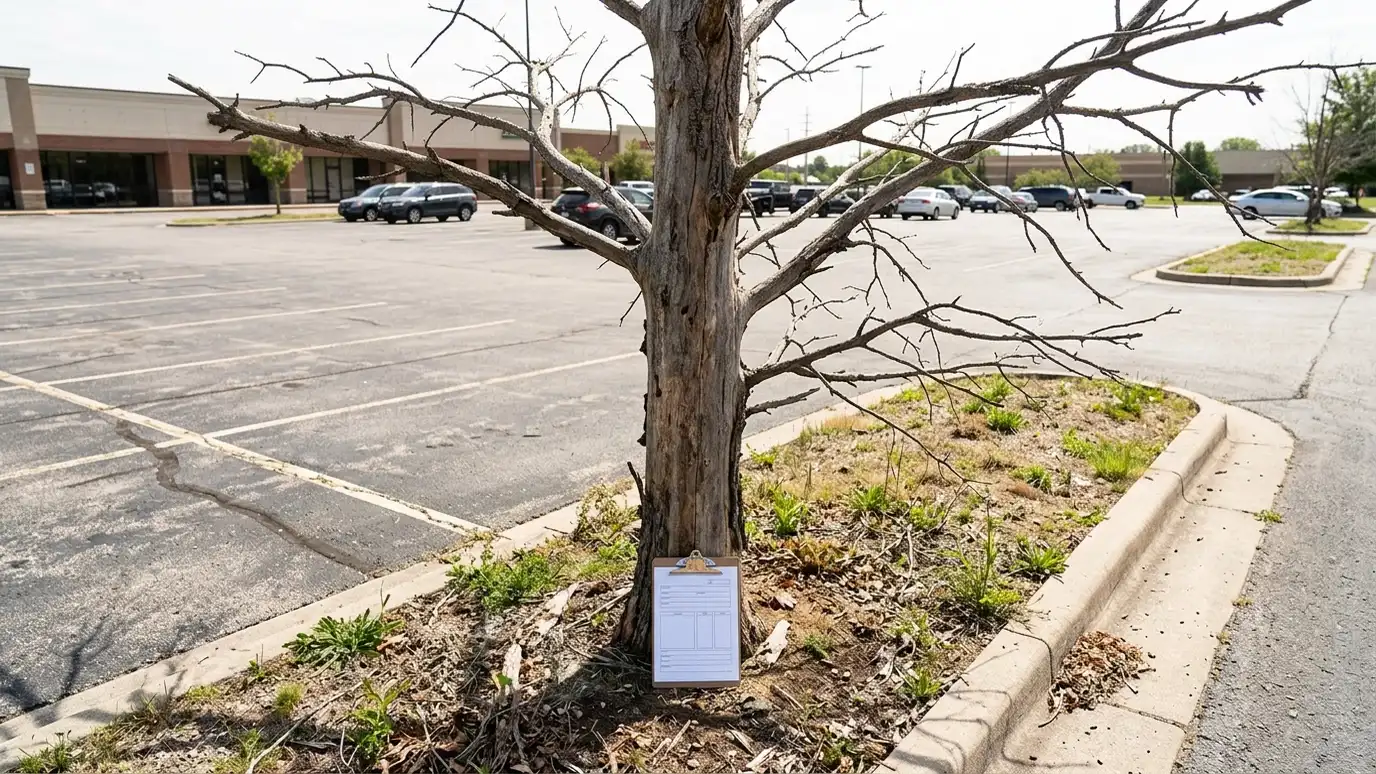
We conduct tree assessments for communities, campuses and commercial sites. The process includes walking the property, identifying trees near targets such as buildings, play areas and drives and recording species, size, condition and visible defects like dead wood, cavities, cracks, root damage and lean. Findings are summarized in a written report with photos, a risk rating, and recommended actions such as pruning, cabling, removal or monitoring. For complex cases, we coordinate with a certified arborist for advanced evaluation. Reports help boards prioritize budgets and give managers a record to share with insurers and counsel.
Targets drive priority
Trees near people, cars and buildings are assessed first.
Defects documented
Dead wood, cavities, cracks, root damage and lean are noted with photos.
Clear recommendations
Each tree gets an action: prune, cable, remove or monitor.
Report for records
A written report supports budgeting and shows reasonable care.
What is included
- Property walk and tree identification
- Defect and risk observation
- Photo documentation
- Prioritized recommendations
- Written report
- Follow-up on selected work
See the transformation.
Drag the handle to compare.
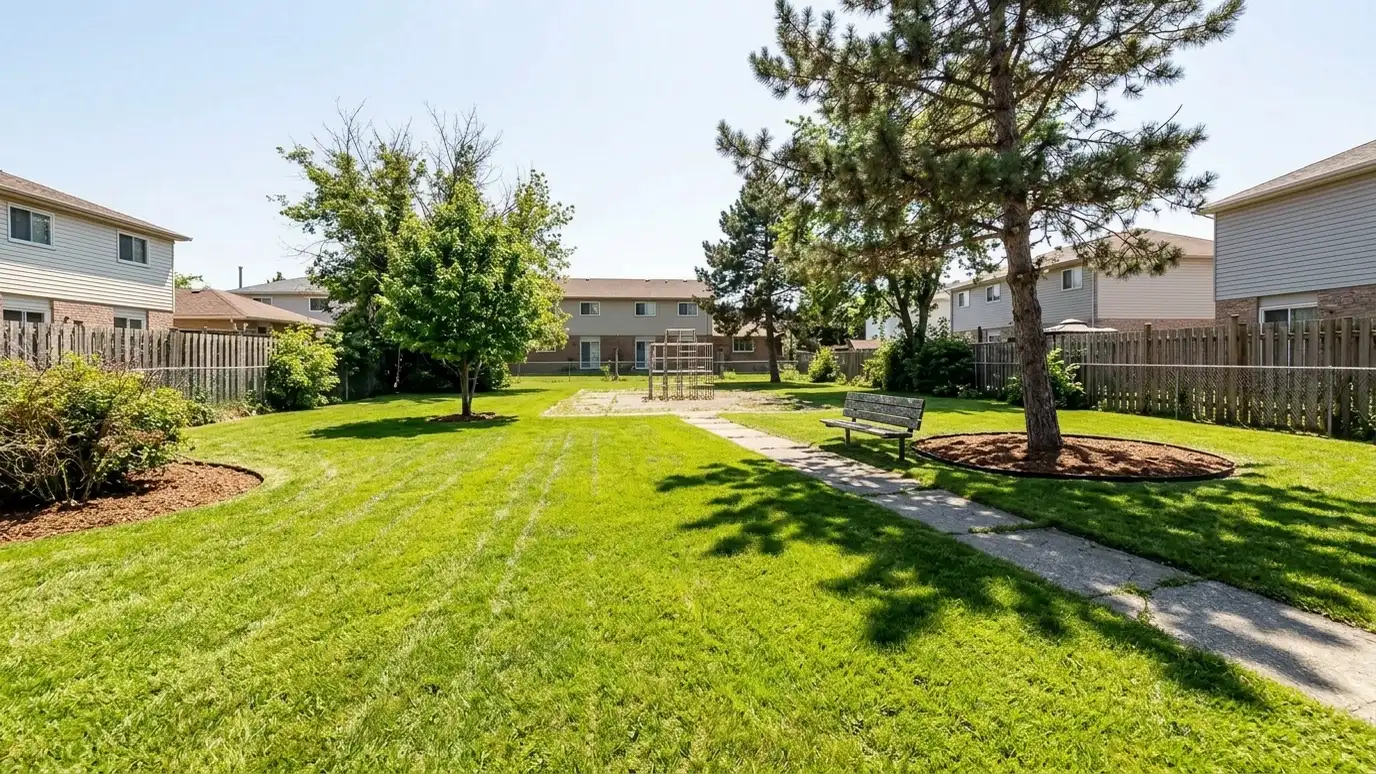
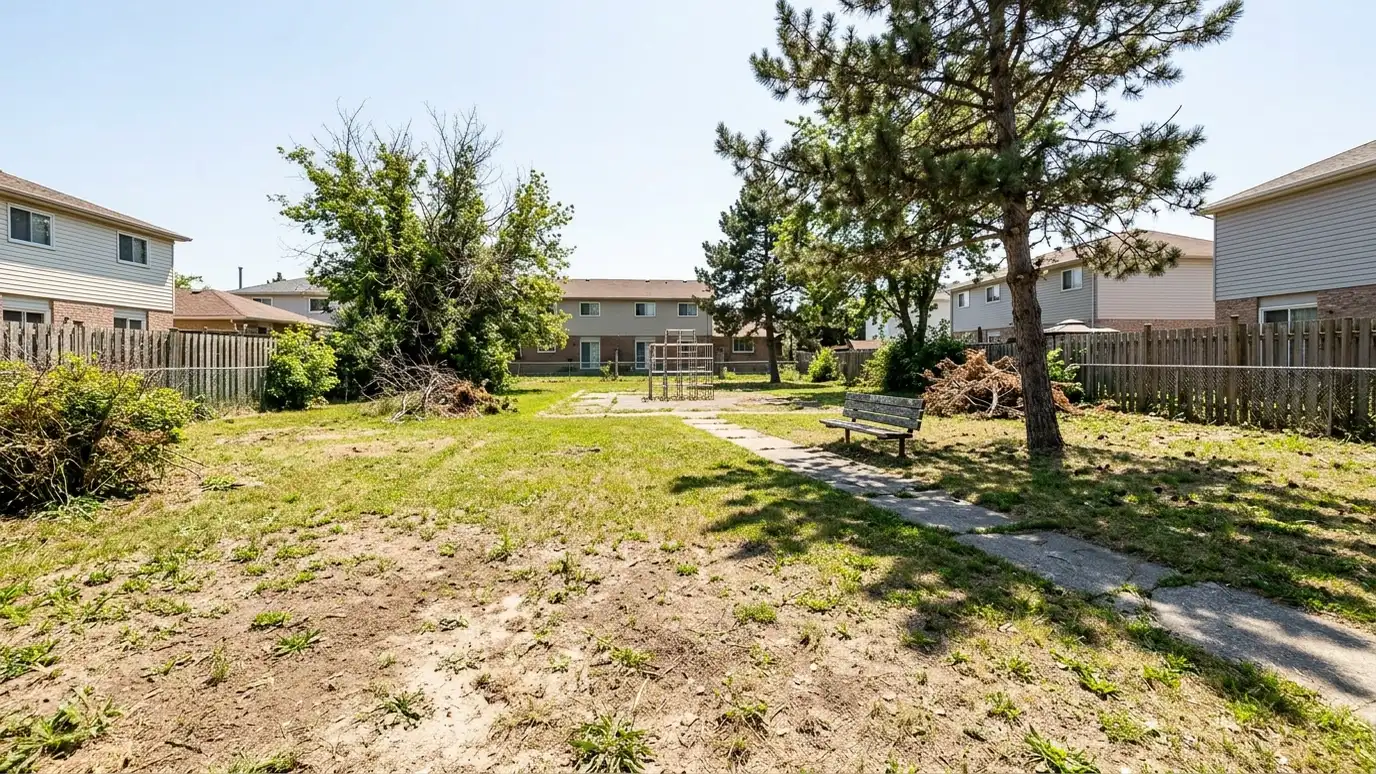 BeforeAfter
What you get with Hazard Tree Assessment
Risk-based review
Focused on targets.
Photo documentation
Defects shown.
Safer property
Hazards found early.
Budget guidance
Priorities and sequence.
Written report
Records for managers.
Arborist coordination
Complex cases escalated.
Property types and guides for Hazard Tree Assessment
Every topic has its own page with what to expect and how we approach it.
 Property typeHOAs and CommunitiesHomeowner associations need reliable common-area care, a clear scope the board can approve and a contractor who communicates…Learn more
 Property typeSchools and CampusesSchools need durable turf, safe walks and sharp entrances on tight budgets. See how campus grounds are planned…Learn more
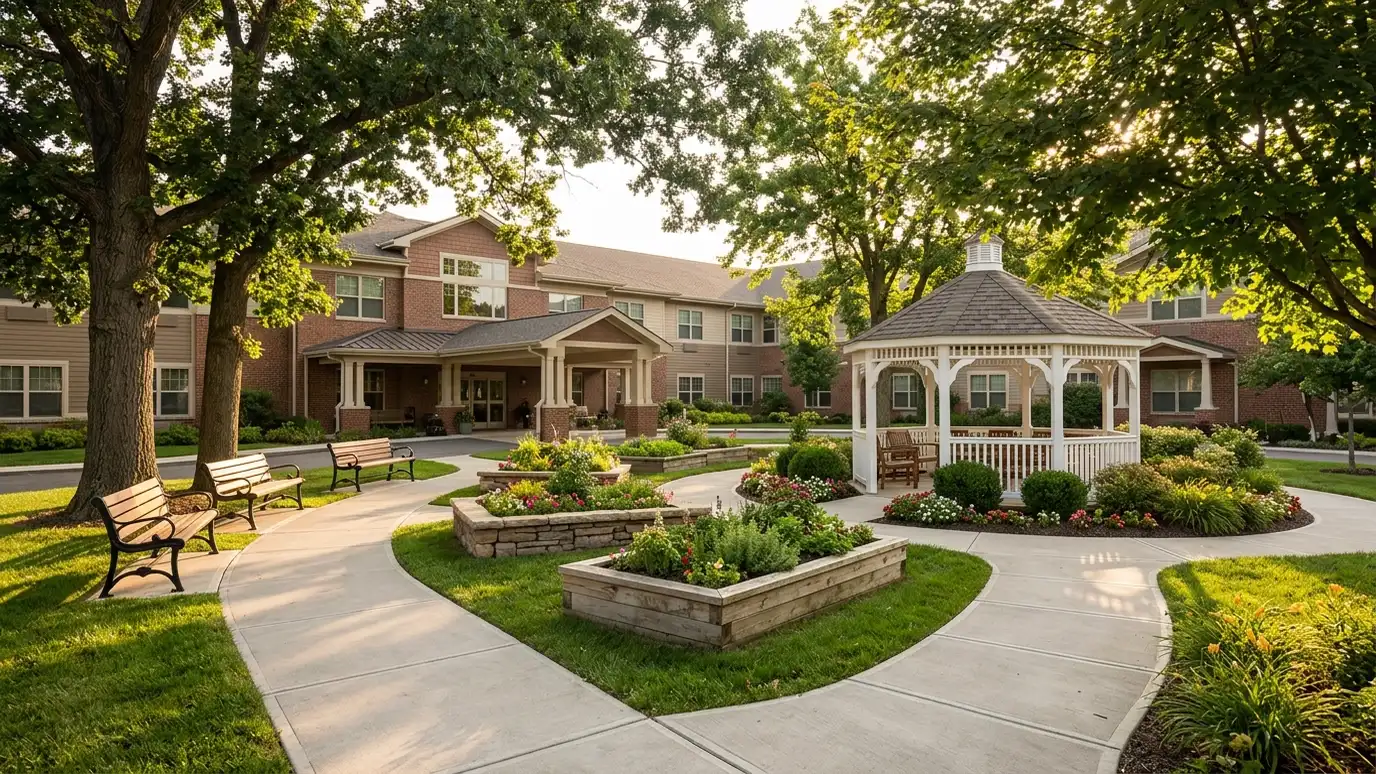 Property typeSenior LivingResidents use gardens daily, and safety matters most. See how senior living grounds balance beauty, accessibility and low…Learn more
Property Walk Checklist and Priority Scorer
Tick what you see on a walk of your property and get a priority list of what to fix first, from safety issues to quick wins.


Our process, start to finish.
- 01
Call and schedule
You tell us about the property and what you need, a new program, a contractor change or a project, and we set a walk that fits your day.
- 02
Walk and measure
We walk the grounds with the manager, owner or a board member, measure turf and beds and note trees, ponds, irrigation, drainage and problem areas.
- 03
Proposal and options
You receive an itemized written proposal with areas, tasks, frequencies, seasonal services and options, ready for a board or owner to review.
- 04
Onboarding
We document starting conditions with photos, map the property, set the schedule and contacts and complete any catch-up work in the first month.
- 05
Service and projects
Crews follow the schedule, projects are phased around your operations and visits are logged so you can see what was done.
- 06
Review and plan ahead
We review results with you each quarter, adjust the scope as needed and plan seasonal work and reserve projects for the year ahead.
Hazard Tree Assessment FAQ
Does an assessment prevent all failures?
No. Trees are living things and some risk remains, but assessments reduce risk and document care.
How often should trees be assessed?
Many properties review high-use areas every year or two and after major storms.
Do you recommend removal?
Only when risk justifies it. Many trees can be pruned or monitored.
Can you inventory all trees?
Yes. We can inventory all trees or focus on those near targets.
Who decides what to do?
The owner or board decides. We give clear recommendations and options.
You may also need.
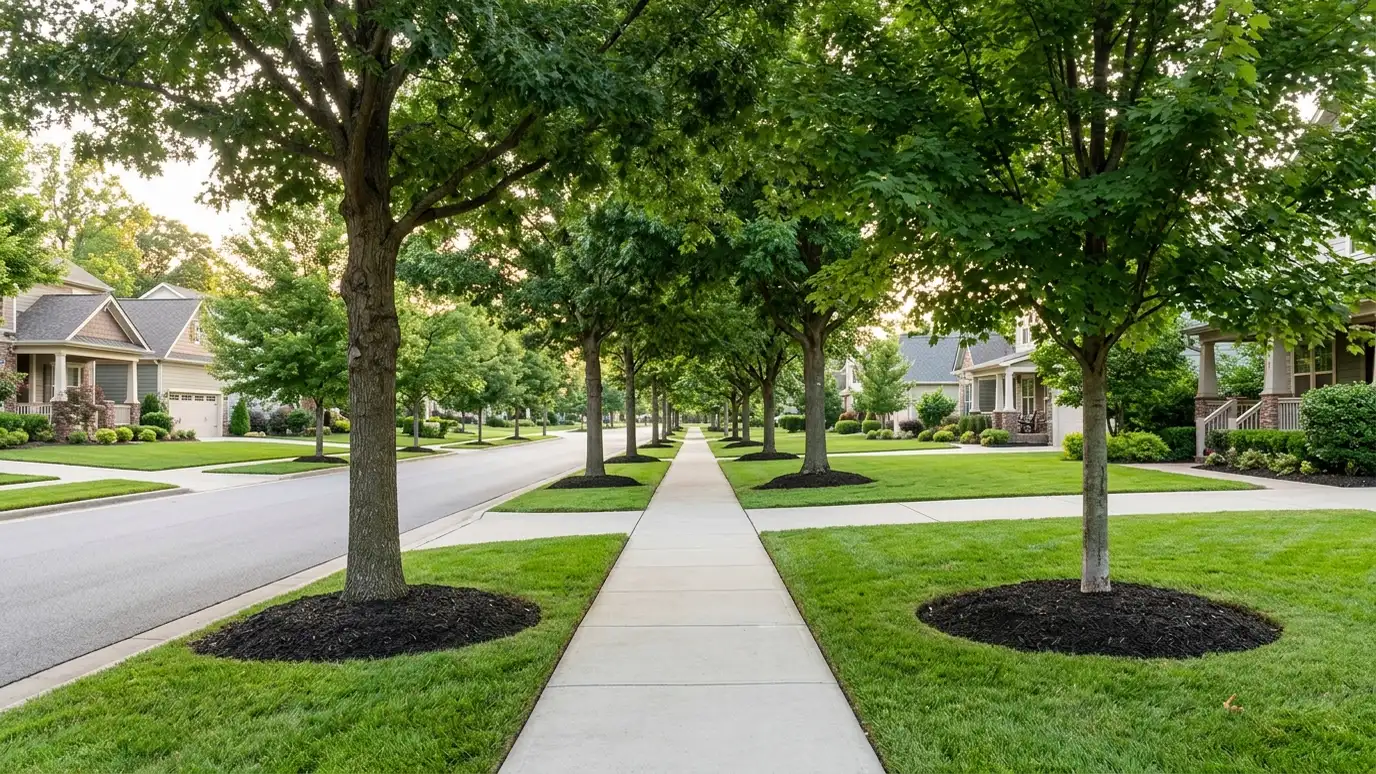 Canopy ManagementPlanned care for community trees: inventory, pruning cycles, hazard review, removals and replanting that protect people and property…Explore
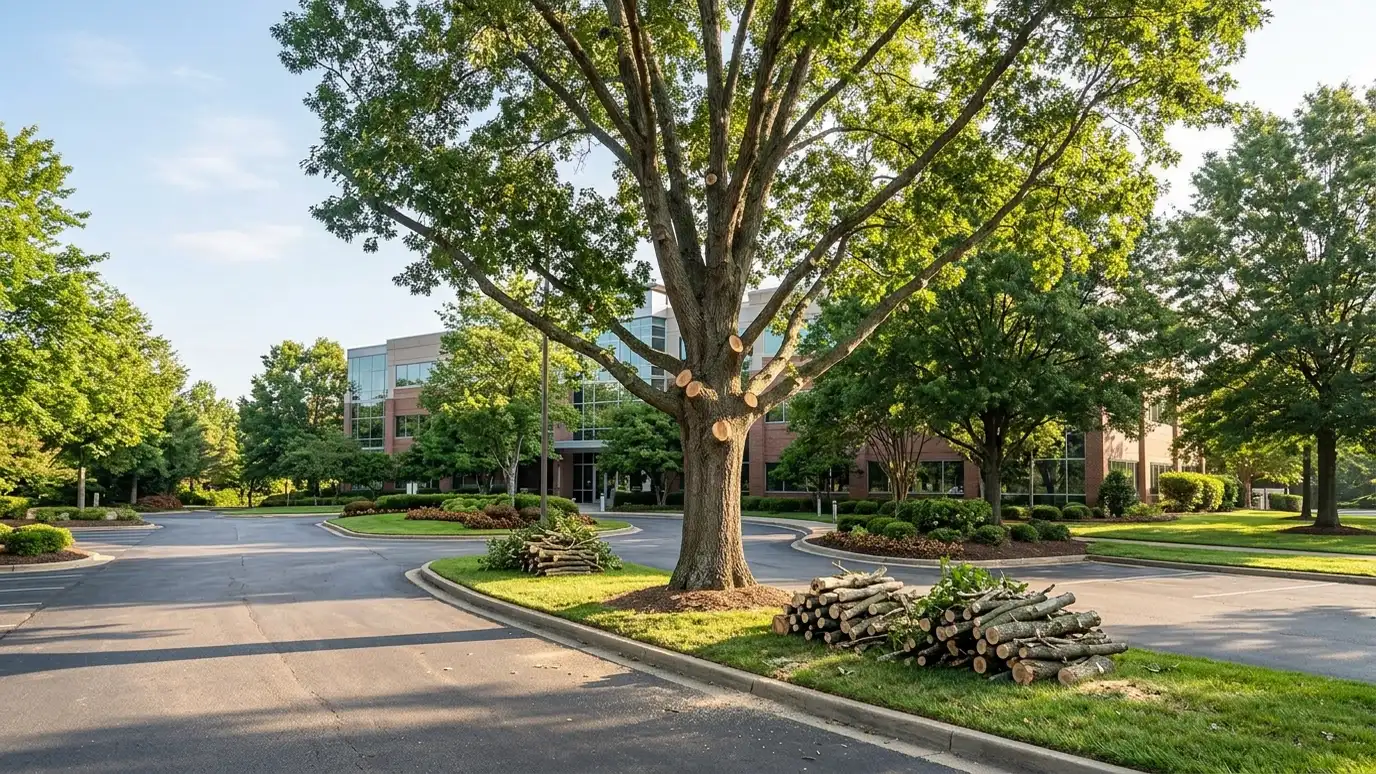 Tree TrimmingCrown cleaning, raising, thinning and clearance pruning for commercial trees, done safely around buildings, lines, lots and traffic.Explore
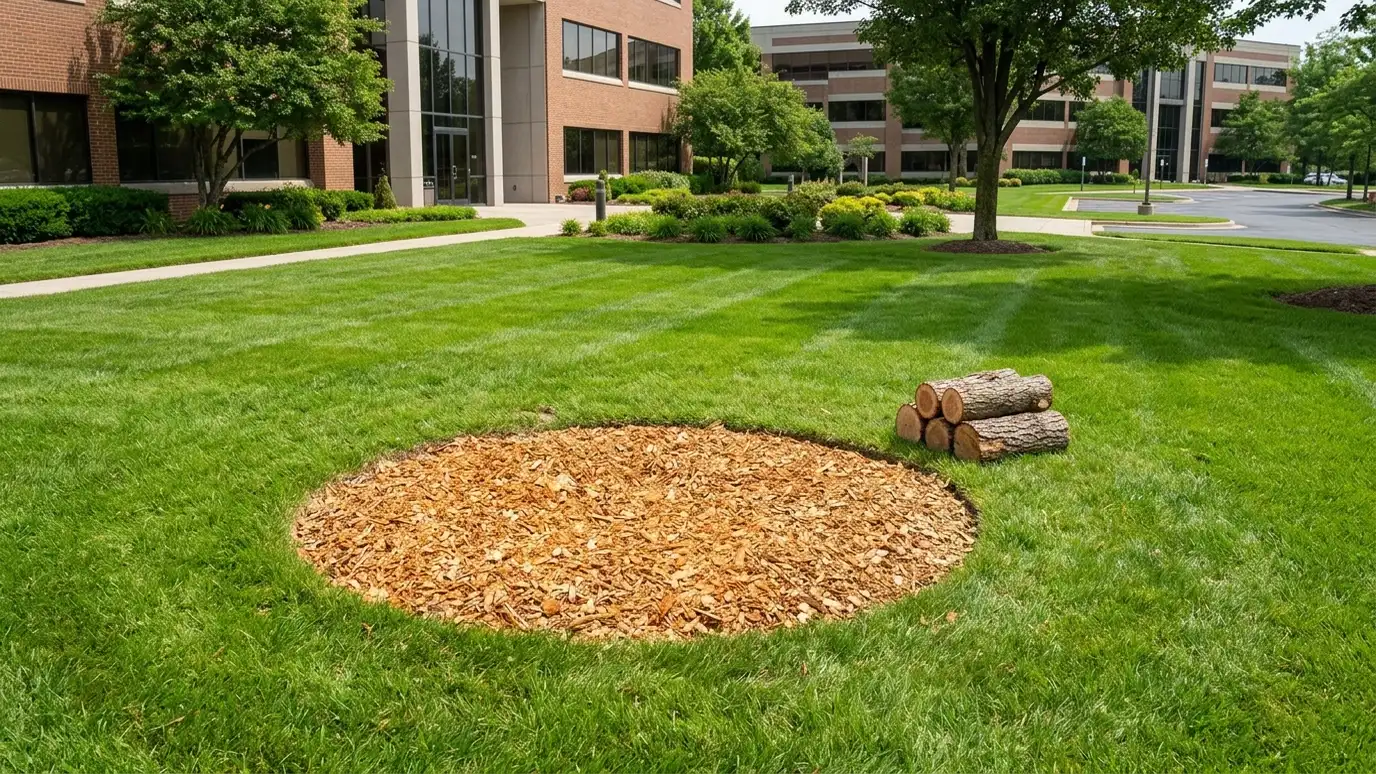 Tree RemovalSafe removal of dead, leaning or conflicting trees with crane and rigging options, followed by stump grinding and…Explore
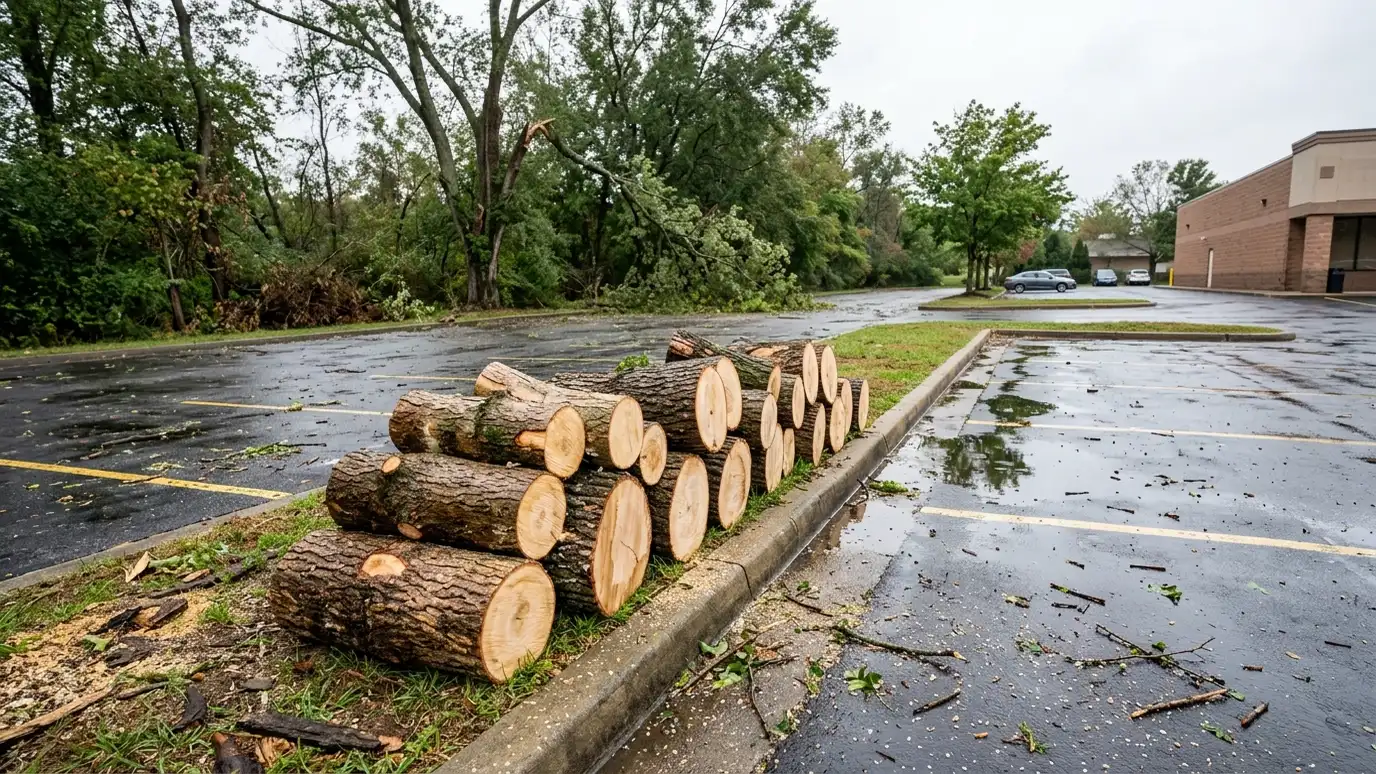 Storm CleanupFast response after wind, ice and flood events: fallen trees and limbs cleared, access restored and the property…Explore
Hazard Tree Assessment across Middle Tennessee.
Get your free Hazard Tree Assessment proposal.
Tell us about the property and we will call you back to set up a site walk.
Or call (615) 357-7797 to talk now.