Commercial Tree Health Care
Soil testing, deep-root feeding, mulch rings, pest and disease management and monitoring that keep valuable trees healthy.
Mature trees can be the most valuable plants on a property, and the most expensive to lose. A healthy oak or maple provides shade, cools buildings and adds a sense of permanence that no new planting can match. But trees on commercial sites live hard lives, surrounded by pavement and compacted soil, hit by construction, salt and drought, and often damaged by mowers and string trimmers. In the Nashville area, pests such as scale and borers and diseases such as anthracnose and root rot show up in stressed trees, and early action is far cheaper than removal.
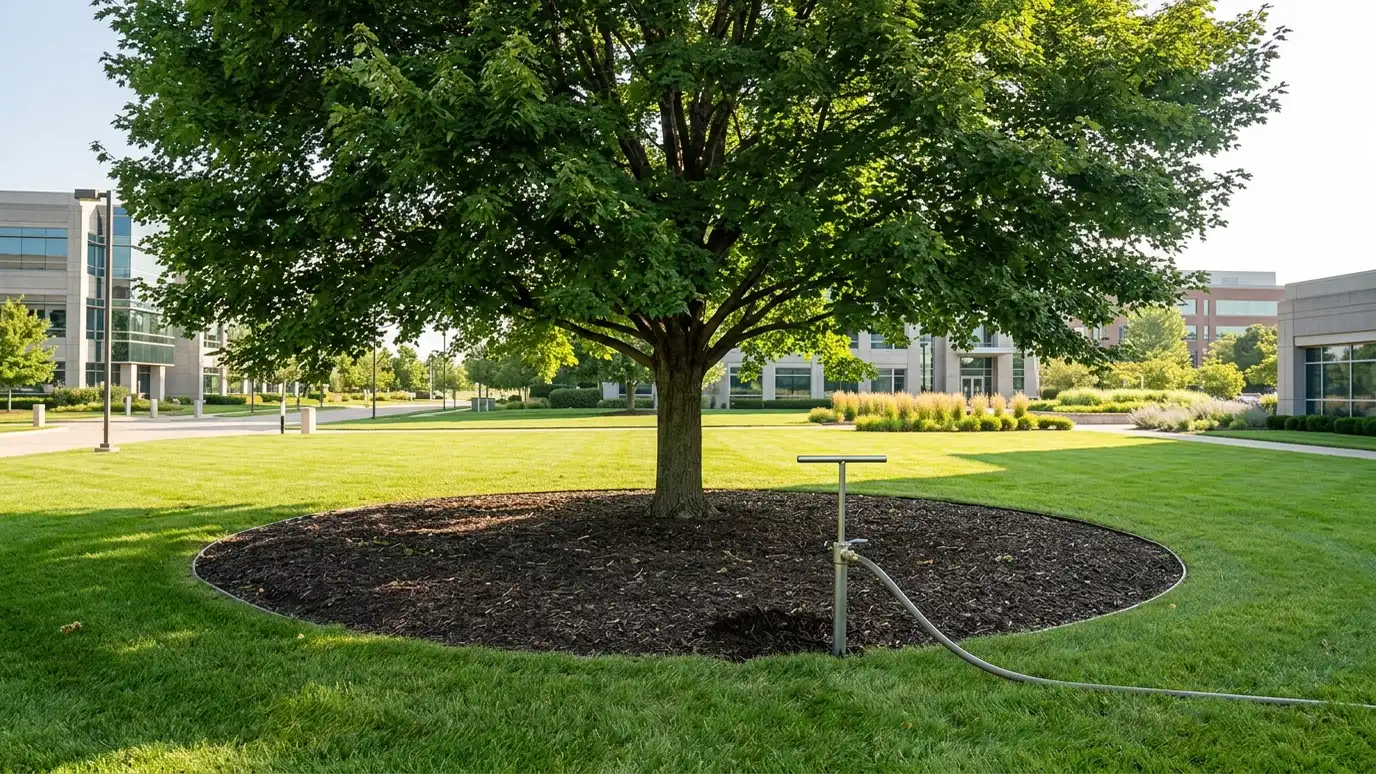
Our tree health programs start with an inspection of the root zone, trunk, canopy and surrounding conditions. Then we build a plan that may include soil testing, mulch rings to protect roots and reduce mower damage, deep-root fertilization and aeration for compacted sites, targeted treatment for pests and diseases and monitoring through the season. We also coordinate pruning, cabling or bracing for weak structure and advise on irrigation during droughts. Records of treatments and observations give managers a clear history, and trees that decline despite care are flagged early so decisions can be made before they become hazards.
Inspect the whole tree
Roots, trunk, canopy and surrounding conditions are all reviewed.
Protect the root zone
Mulch rings, soil care and traffic control protect the most vulnerable part of the tree.
Targeted treatment
Pests and diseases are treated based on diagnosis, not routine spraying.
Early warning
Declining trees are flagged before they become hazards or emergencies.
What is included
- Tree inspection and condition notes
- Mulch ring and root zone care
- Soil test and deep-root feeding
- Pest and disease treatment as diagnosed
- Cabling or bracing referrals
- Monitoring and records
See the transformation.
Drag the handle to compare.
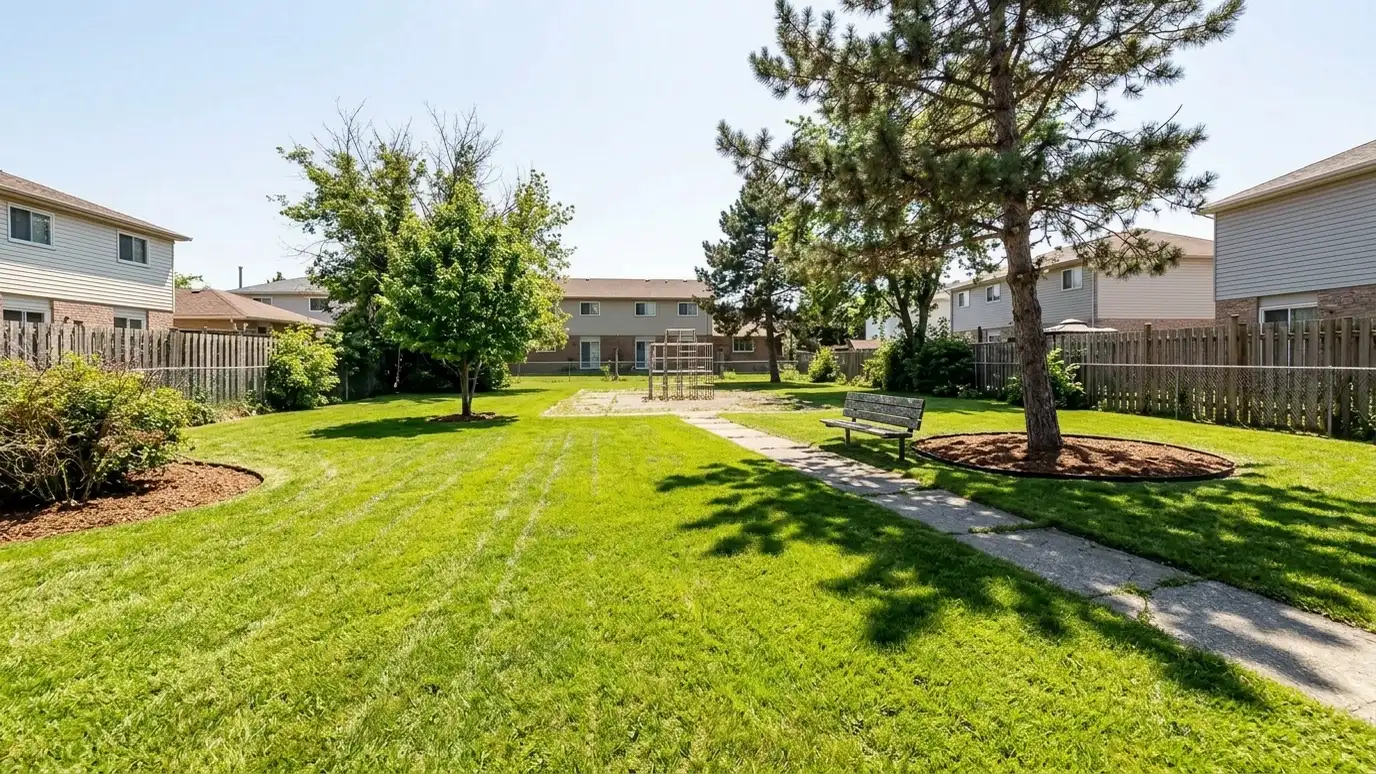
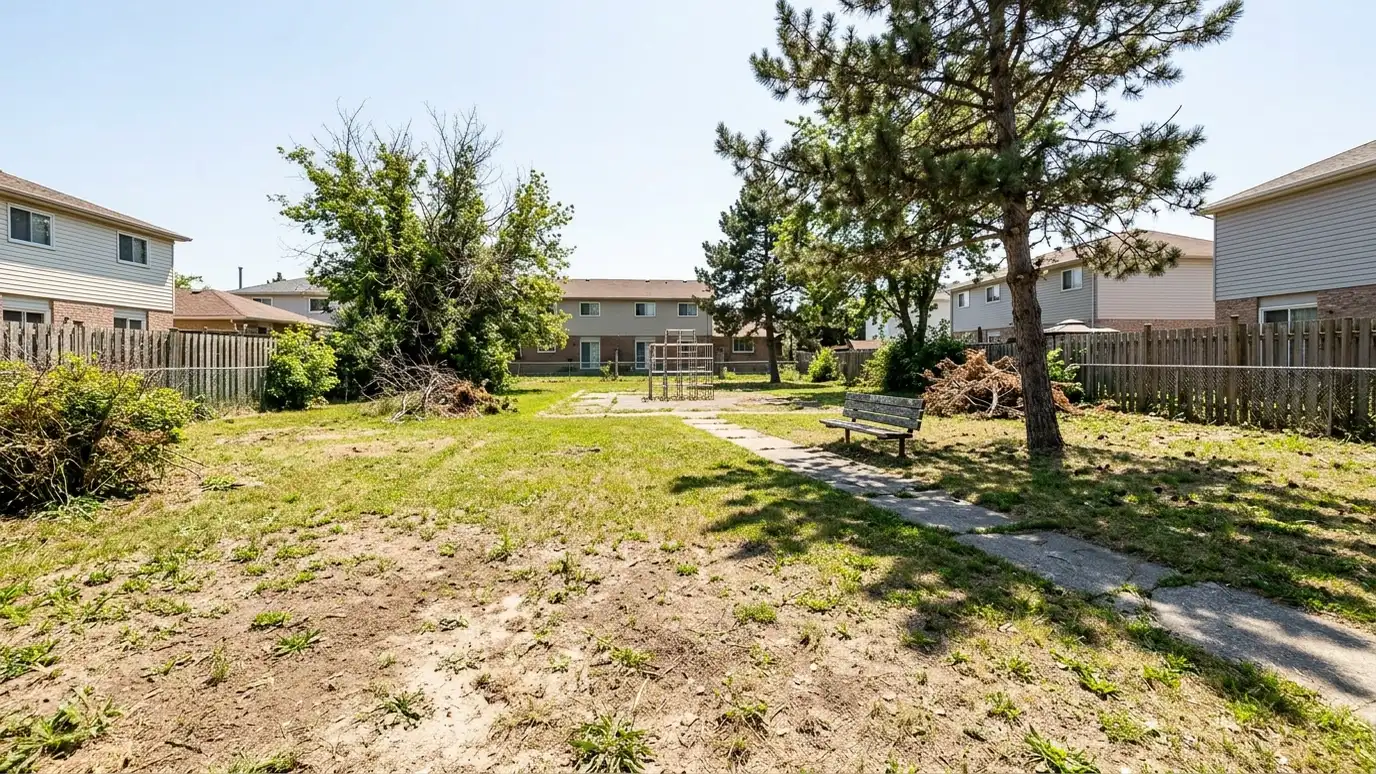 BeforeAfter
What you get with Tree Health Care
Healthier trees
Less decline and loss.
Root zone care
Mulch and aeration.
Diagnosis first
No guesswork treatments.
Deep-root feeding
Nutrition where roots are.
Seasonal monitoring
Problems caught early.
Treatment records
History for the manager.
Property types and guides for Tree Health Care
Every topic has its own page with what to expect and how we approach it.
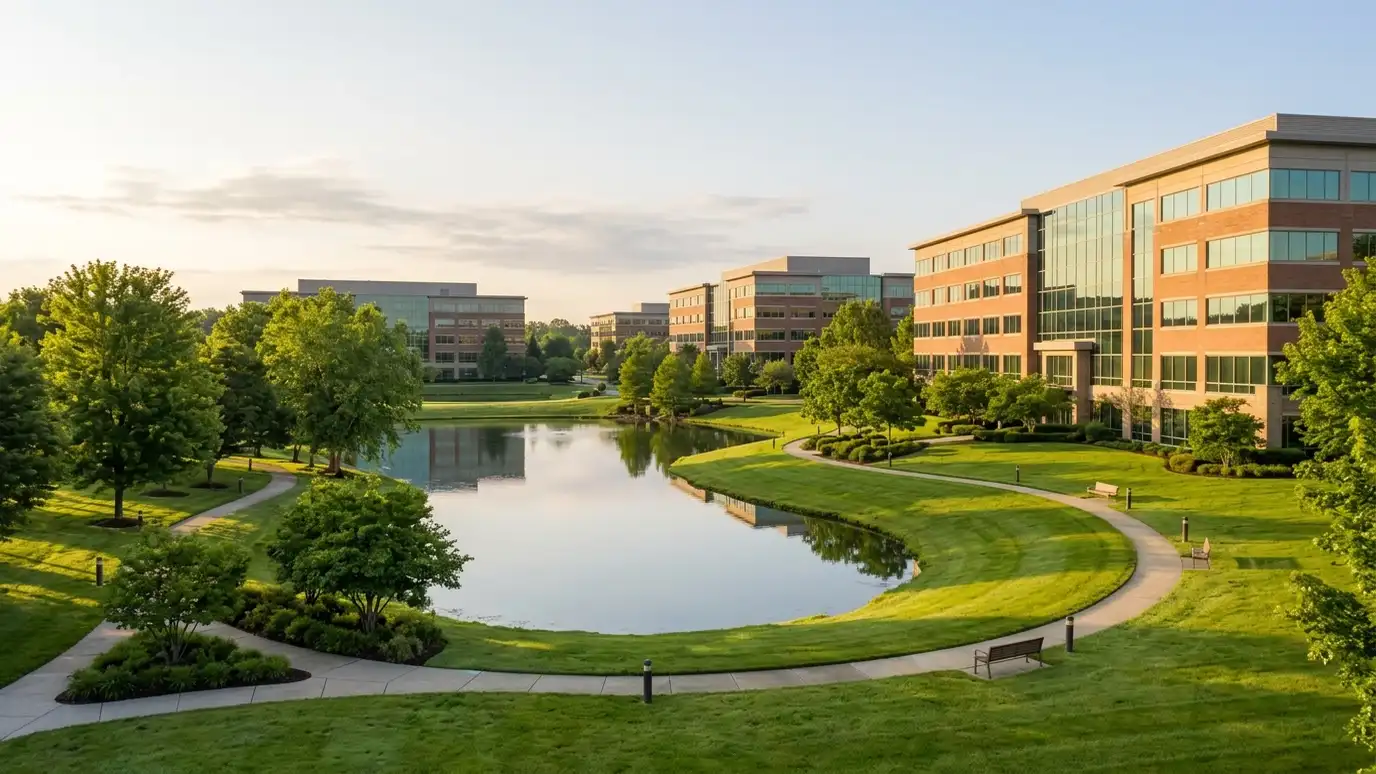 Property typeOffice Parks and CampusesTenants and visitors judge a business by its grounds. Learn what office parks and corporate campuses need for…Learn more
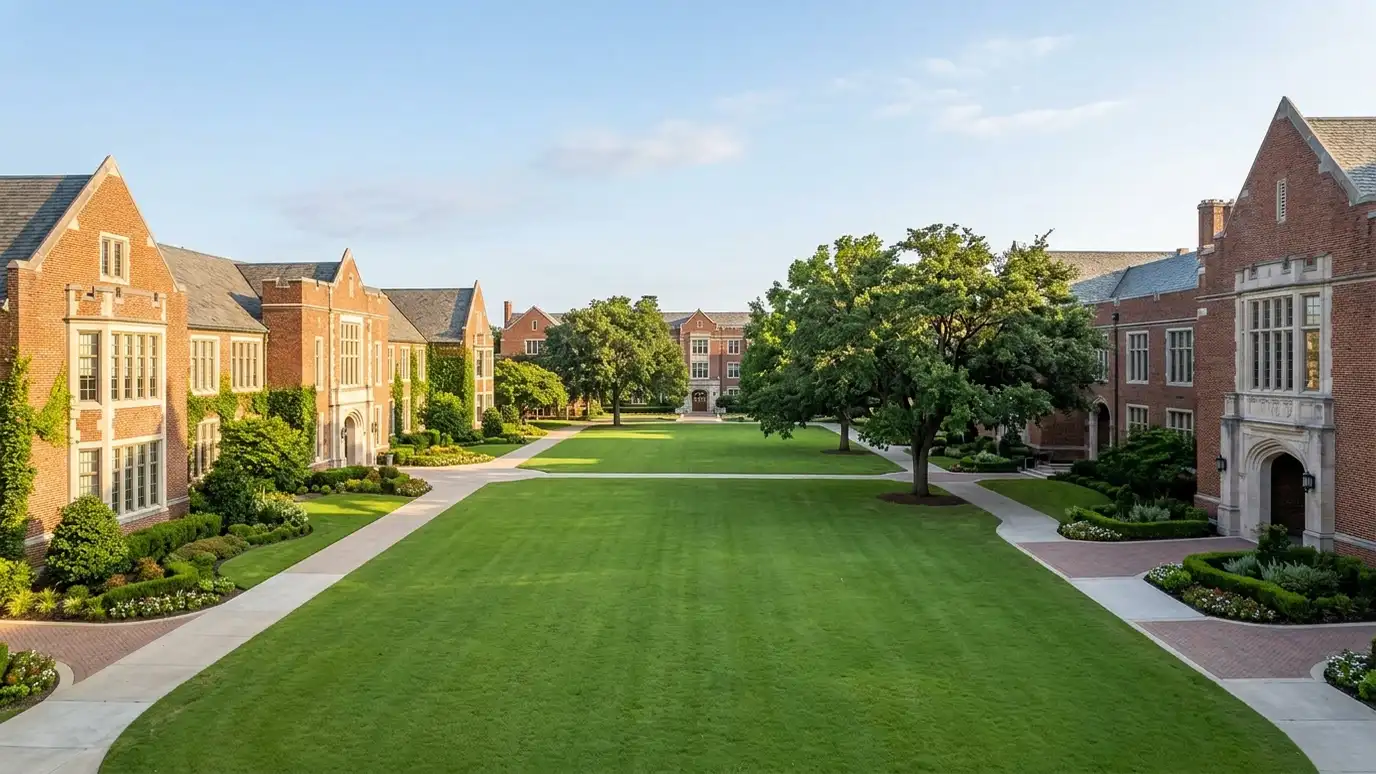 Property typeSchools and CampusesSchools need durable turf, safe walks and sharp entrances on tight budgets. See how campus grounds are planned…Learn more
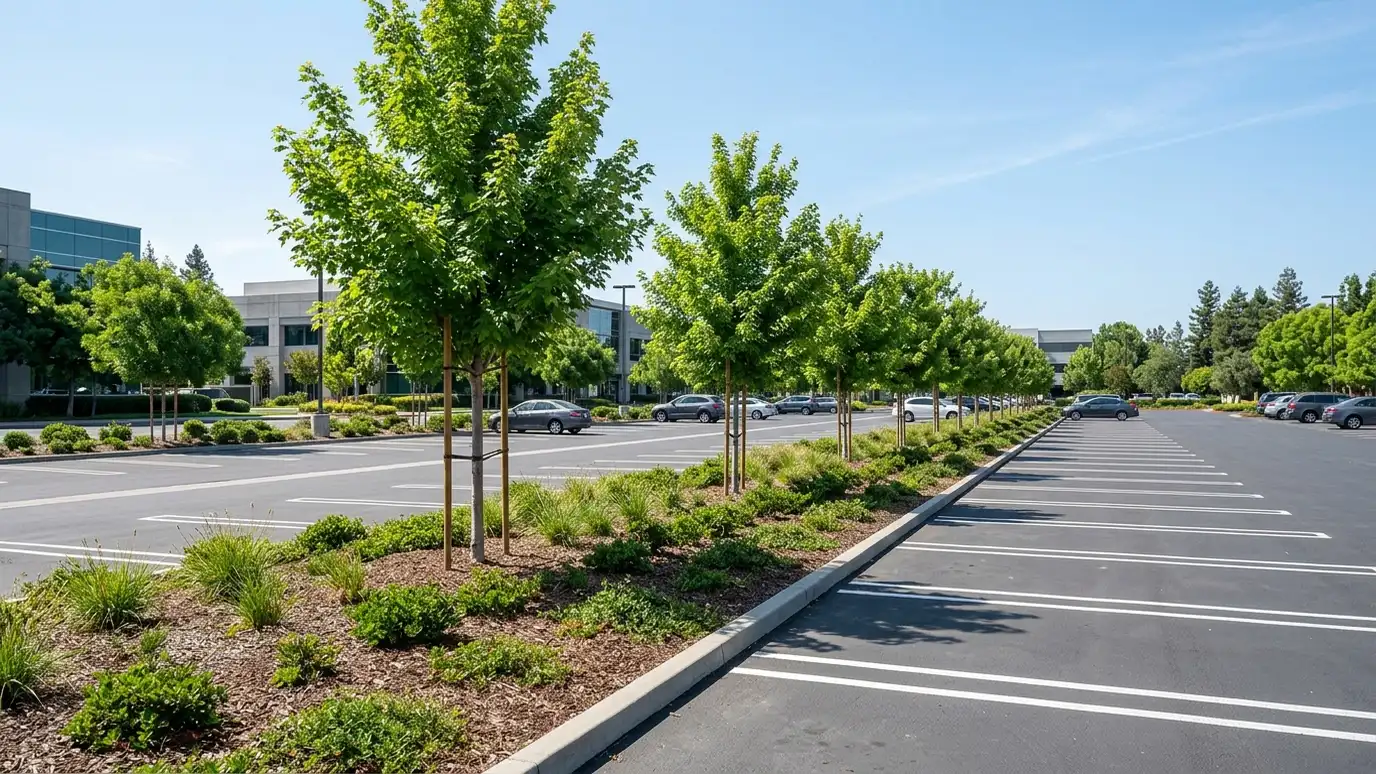 Topic guideTrees for Commercial SitesChoose trees that survive heat, salt, compaction and tight spaces. See which shade and ornamental trees work best…Learn more
Commercial Landscaping Budget Planner
Pick a service, a size and a few add-ons and get a ballpark planning range for your property.

Our process, start to finish.
- 01
Call and schedule
You tell us about the property and what you need, a new program, a contractor change or a project, and we set a walk that fits your day.
- 02
Walk and measure
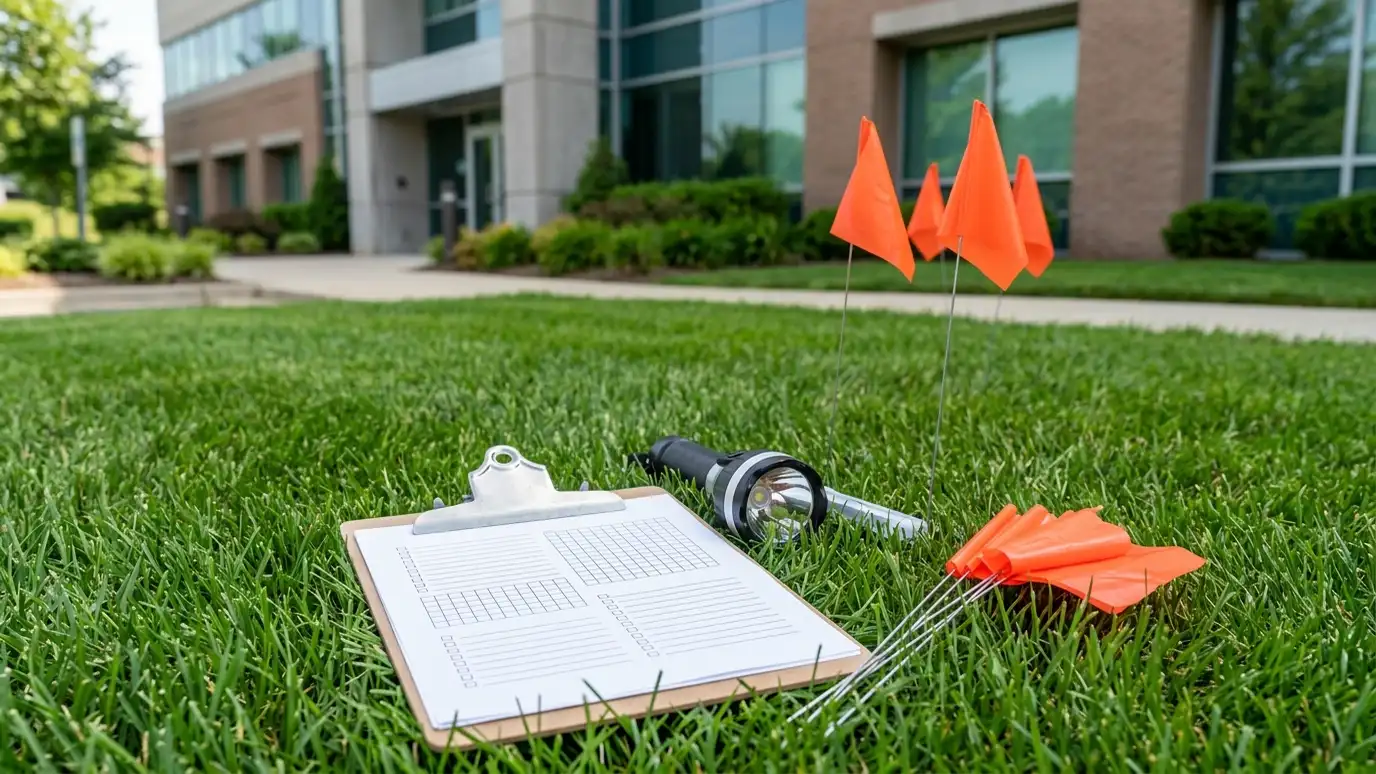
We walk the grounds with the manager, owner or a board member, measure turf and beds and note trees, ponds, irrigation, drainage and problem areas.
- 03
Proposal and options
You receive an itemized written proposal with areas, tasks, frequencies, seasonal services and options, ready for a board or owner to review.
- 04
Onboarding
We document starting conditions with photos, map the property, set the schedule and contacts and complete any catch-up work in the first month.
- 05
Service and projects
Crews follow the schedule, projects are phased around your operations and visits are logged so you can see what was done.
- 06
Review and plan ahead
We review results with you each quarter, adjust the scope as needed and plan seasonal work and reserve projects for the year ahead.
Tree Health Care FAQ
How do I know if a tree is stressed?
Thin or off-color leaves, dead tips, mushrooms at the base or sudden leaf drop are common signs.
Do trees need fertilizer?
Trees on lawns often benefit from deep-root feeding, based on soil tests and tree condition.
Can you treat borers or scale?
Yes, after identifying the problem, with products suited to the pest and the site.
Does mulch really help?
Yes. A wide mulch ring protects roots, holds moisture and keeps mowers away from the trunk.
What if a tree cannot be saved?
We tell you early and recommend safe removal and replacement.
You may also need.
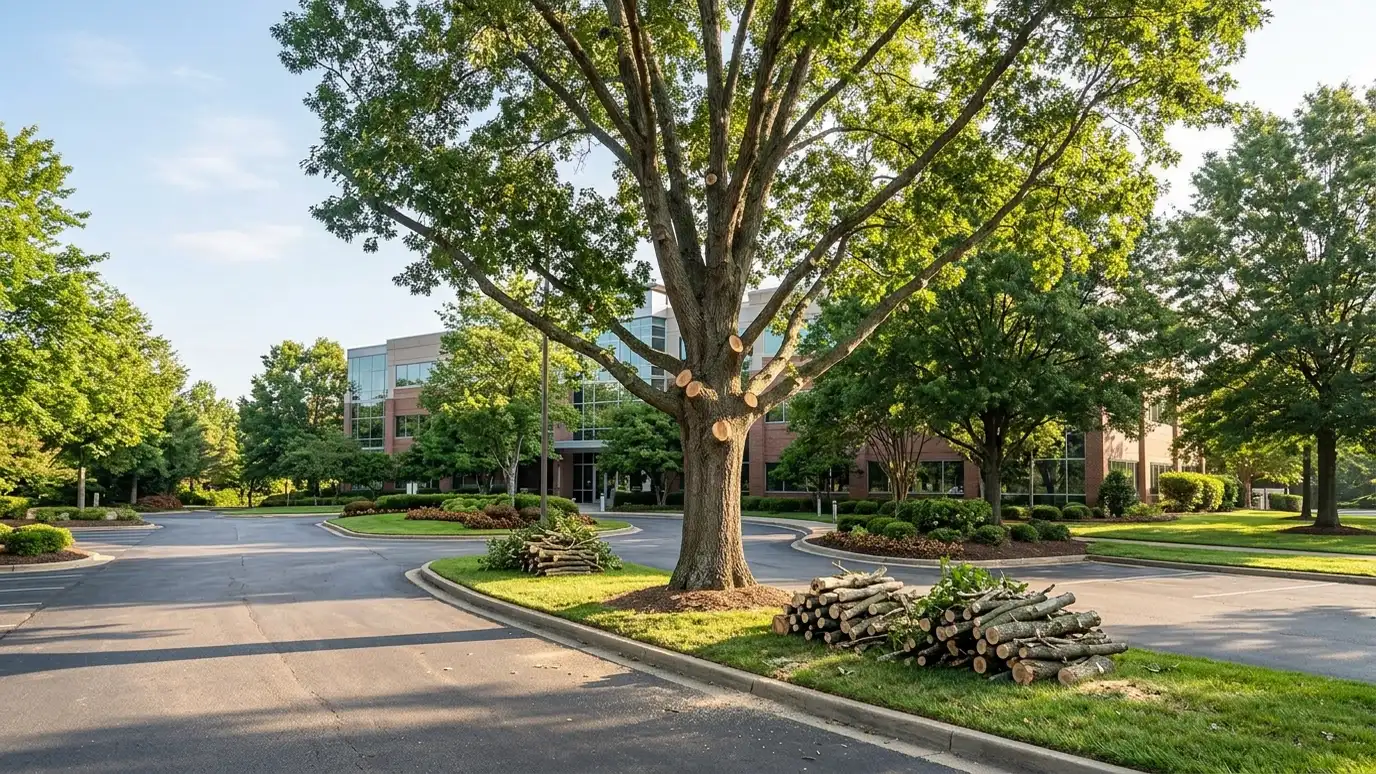 Tree TrimmingCrown cleaning, raising, thinning and clearance pruning for commercial trees, done safely around buildings, lines, lots and traffic.Explore
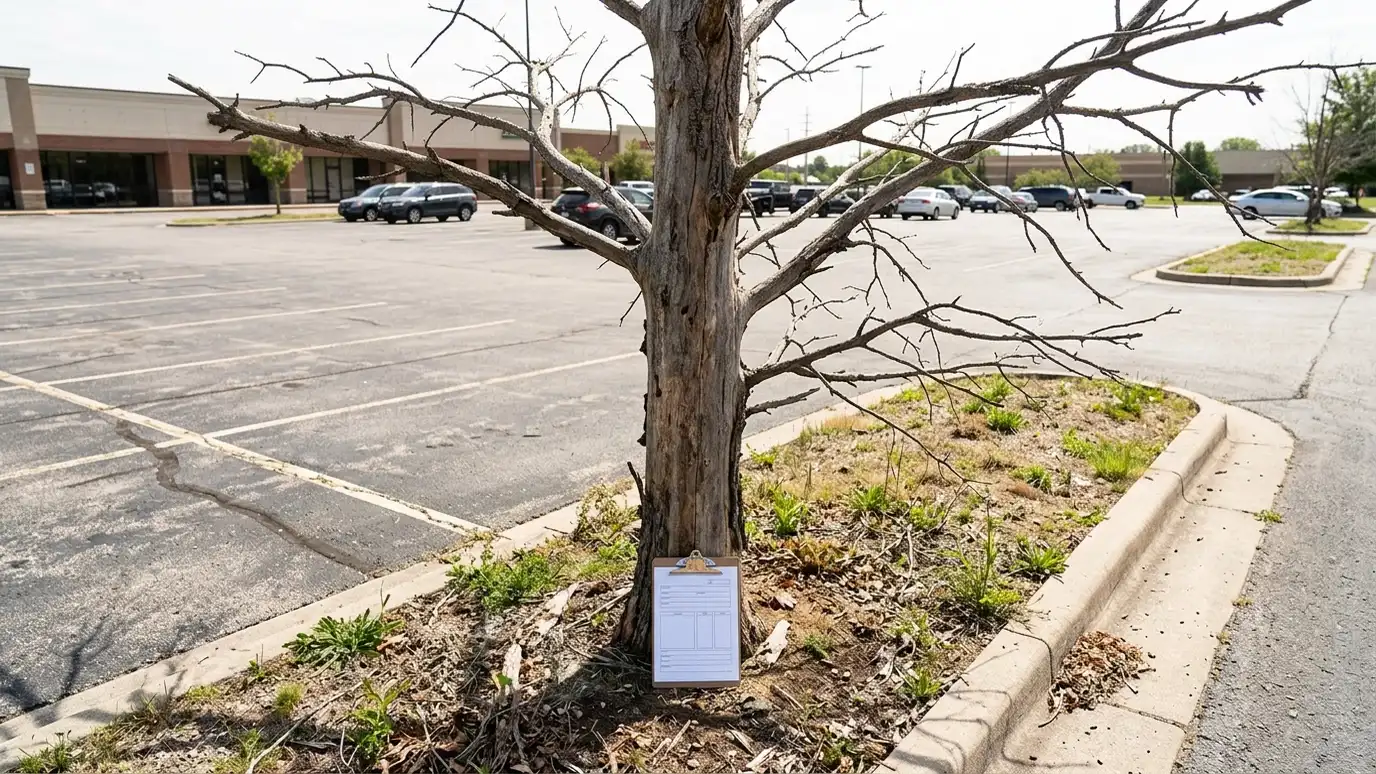 Hazard Tree AssessmentSystematic tree risk reviews and canopy inventories for properties with trees near people, lots and buildings, with prioritized…Explore
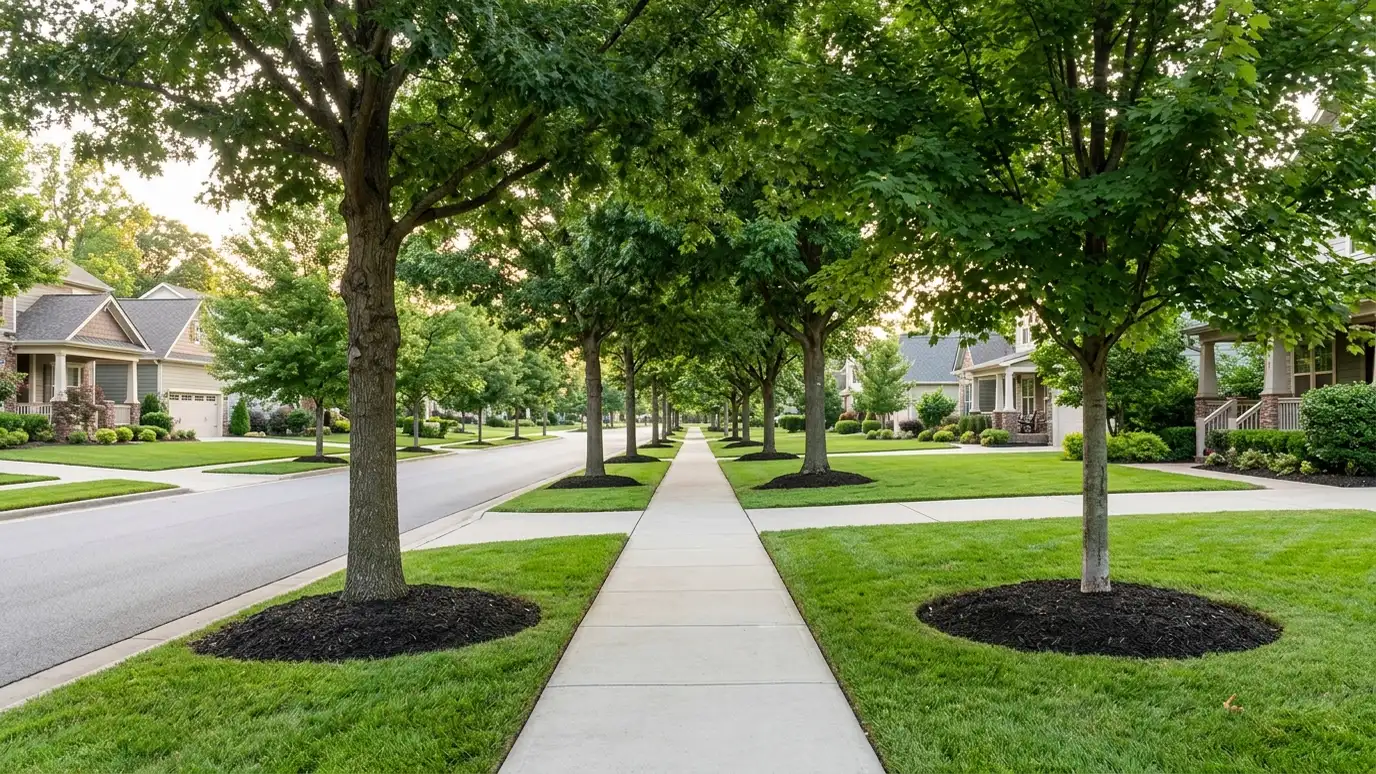 Canopy ManagementPlanned care for community trees: inventory, pruning cycles, hazard review, removals and replanting that protect people and property…Explore
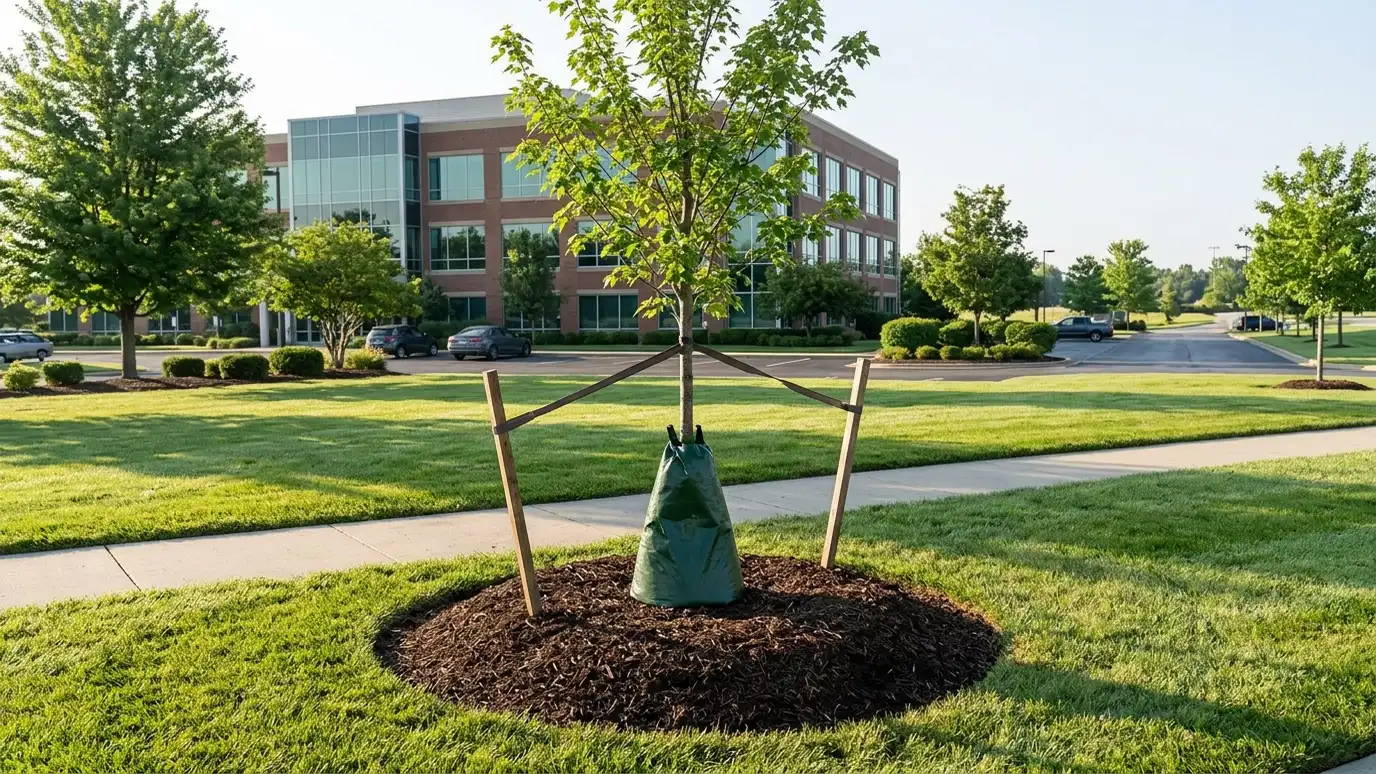 Tree PlantingShade, ornamental and screening trees planted at the right depth, with soil prep, staking, mulch and watering plans…Explore
Tree Health Care across Middle Tennessee.
Get your free Tree Health Care proposal.
Tell us about the property and we will call you back to set up a site walk.
Or call (615) 357-7797 to talk now.