Native and Low-Maintenance Commercial Landscapes
Native and drought-tolerant planting designs that cut mowing, watering and replacement while looking intentional and supporting pollinators.
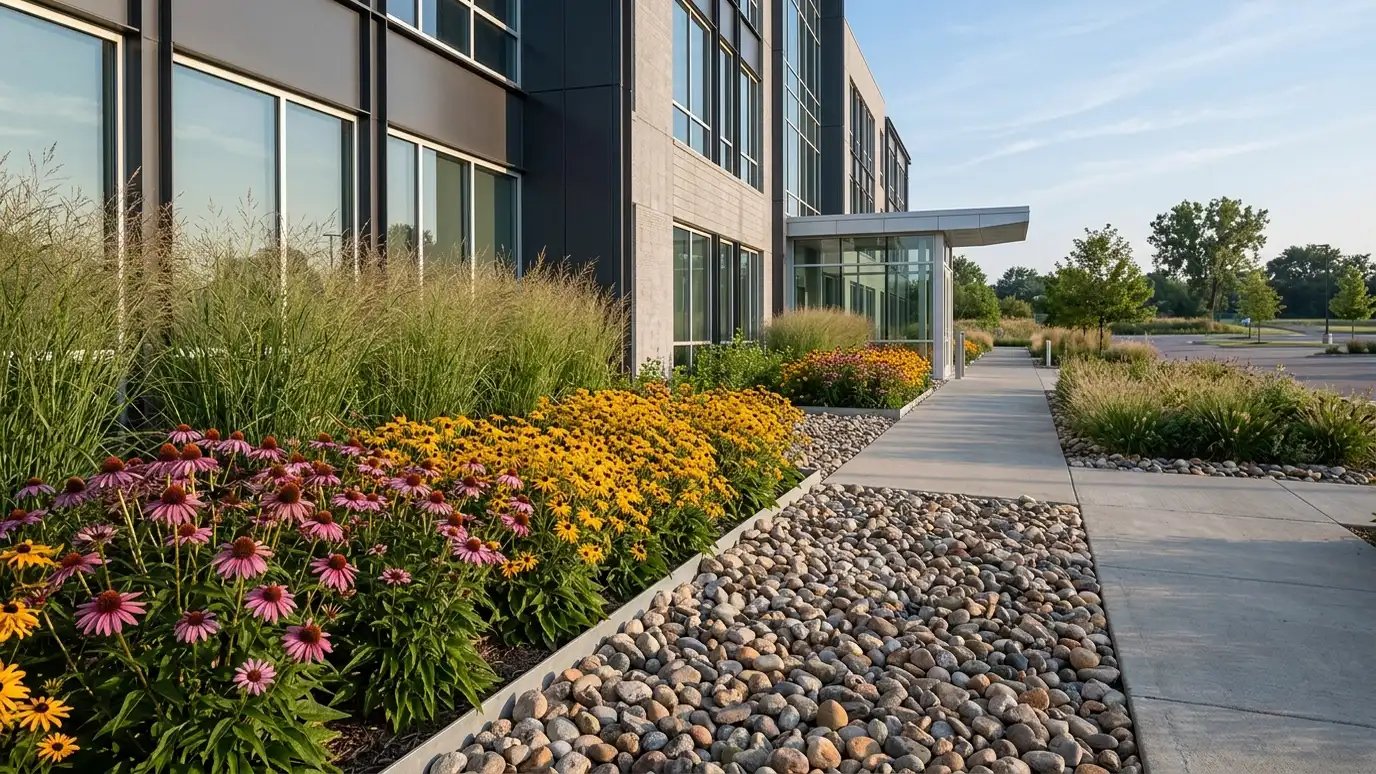
Property owners are increasingly asking how to cut landscape costs without letting the grounds look neglected. Native and low-maintenance design is the answer in many cases. Native plants have evolved for Middle Tennessee’s clay soils, heat and rainfall pattern, so once established they need far less water, fertilizer and replacement. Done badly, though, native planting can look messy. Done well, with clear edges, repeated groupings and a structured layout, it looks deliberate and often more beautiful than a conventional landscape.
We convert high-input turf and shrub areas into lower-maintenance plantings that fit the property’s image. Typical solutions include perennial drifts of coneflower, black-eyed Susan and bee balm, grasses such as little bluestem and switchgrass, flowering shrubs and trees chosen for local performance and mulch or stone borders that keep the edges crisp. We prepare sites to control weeds before planting, set up temporary watering for establishment and write a care plan covering the first three years. Owners often see lower mowing and irrigation costs while adding habitat for pollinators.
Plants adapted to the region
Natives and well-adapted plants handle clay, heat and rainfall with less input.
Structured, not messy
Edges, repetition and clear borders make natural plantings look planned.
Weed control up front
Site prep and mulch reduce weeds during the critical first seasons.
Three-year care plan
We guide establishment so the planting matures into a low-maintenance landscape.
What is included
- Site review and goals
- Native and adapted plant palette
- Site prep and weed control
- Installation with clean borders
- Establishment watering plan
- Three-year care plan
See the transformation.
Drag the handle to compare.
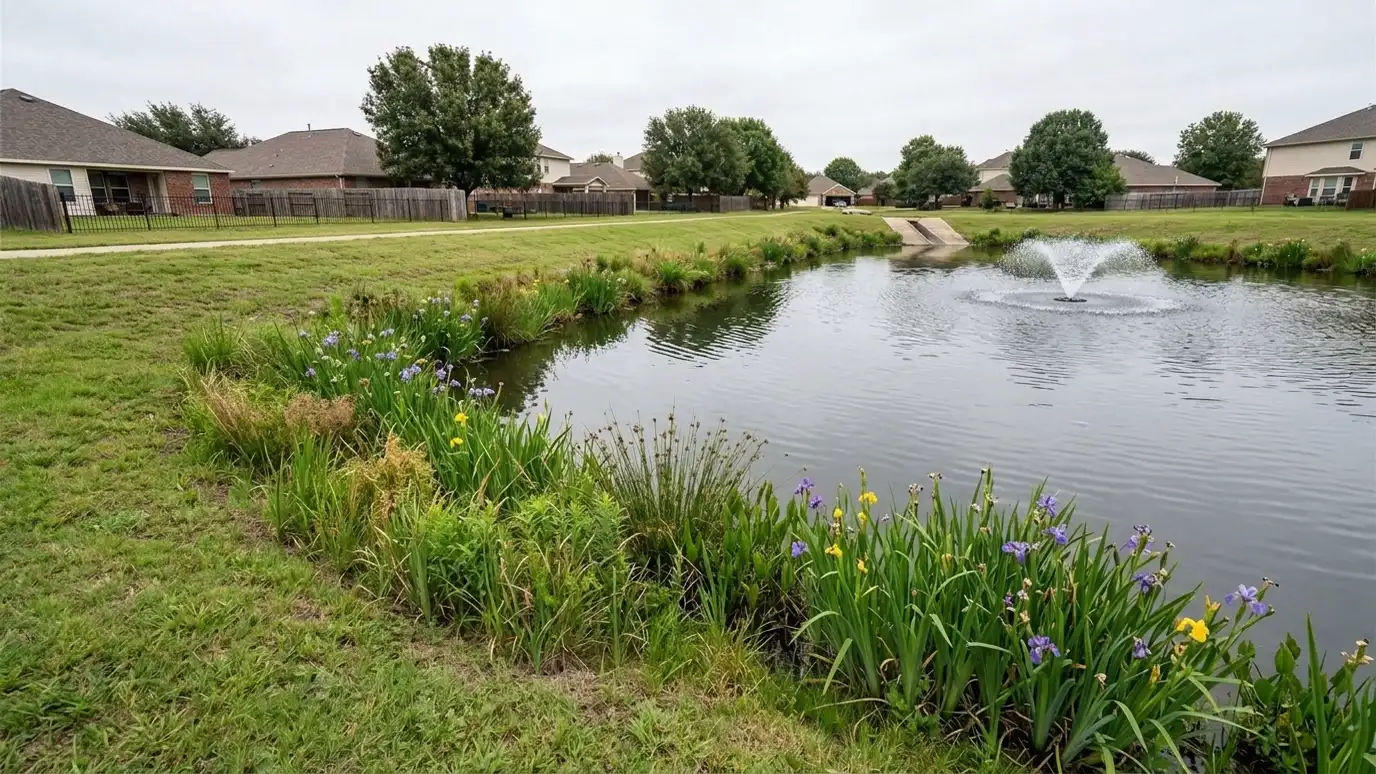
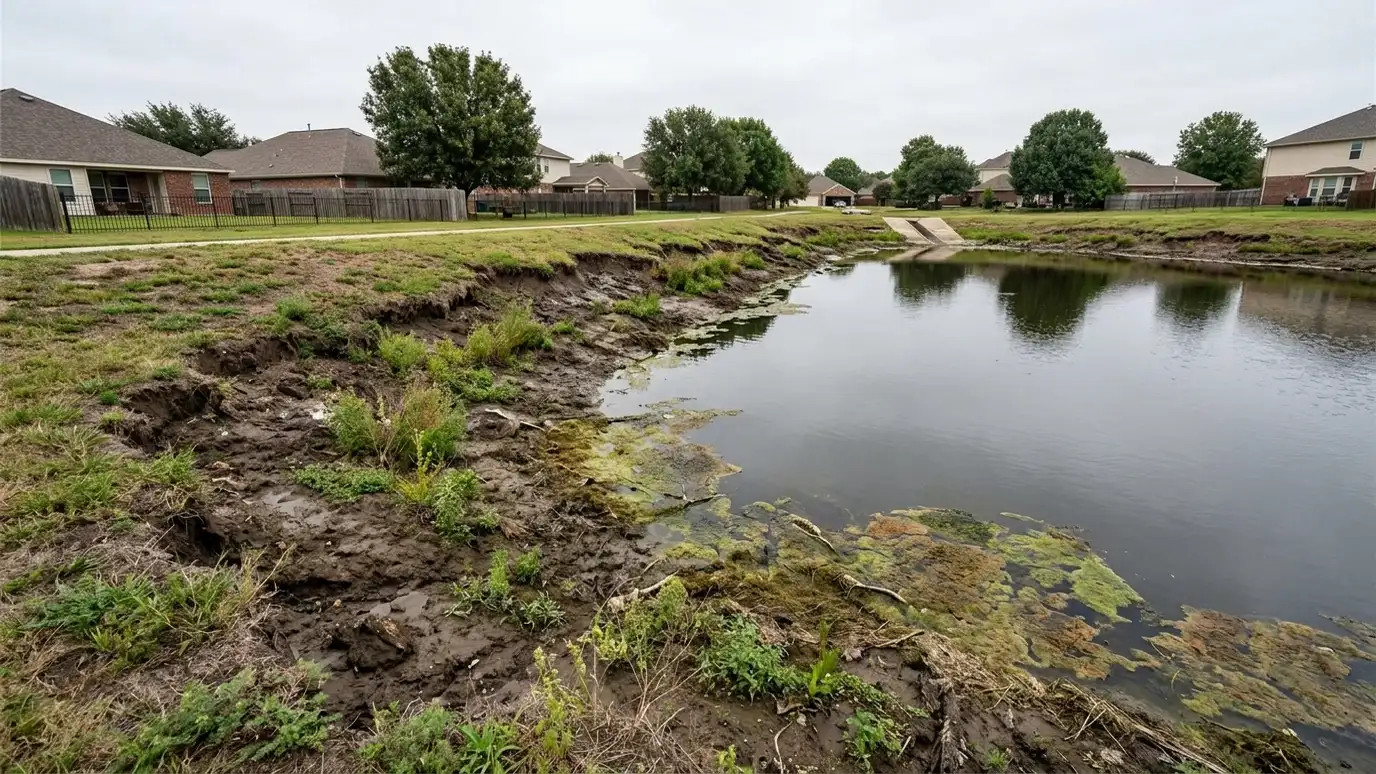 BeforeAfter
What you get with Low-Maintenance Landscapes
Local plants
Suited to the region.
Less water
Lower irrigation needs.
Lower upkeep
Less mowing and feeding.
Pollinator habitat
Bees and butterflies.
Tidy edges
Looks intentional.
Establishment plan
Three-year care guide.
Property types and guides for Low-Maintenance Landscapes
Every topic has its own page with what to expect and how we approach it.
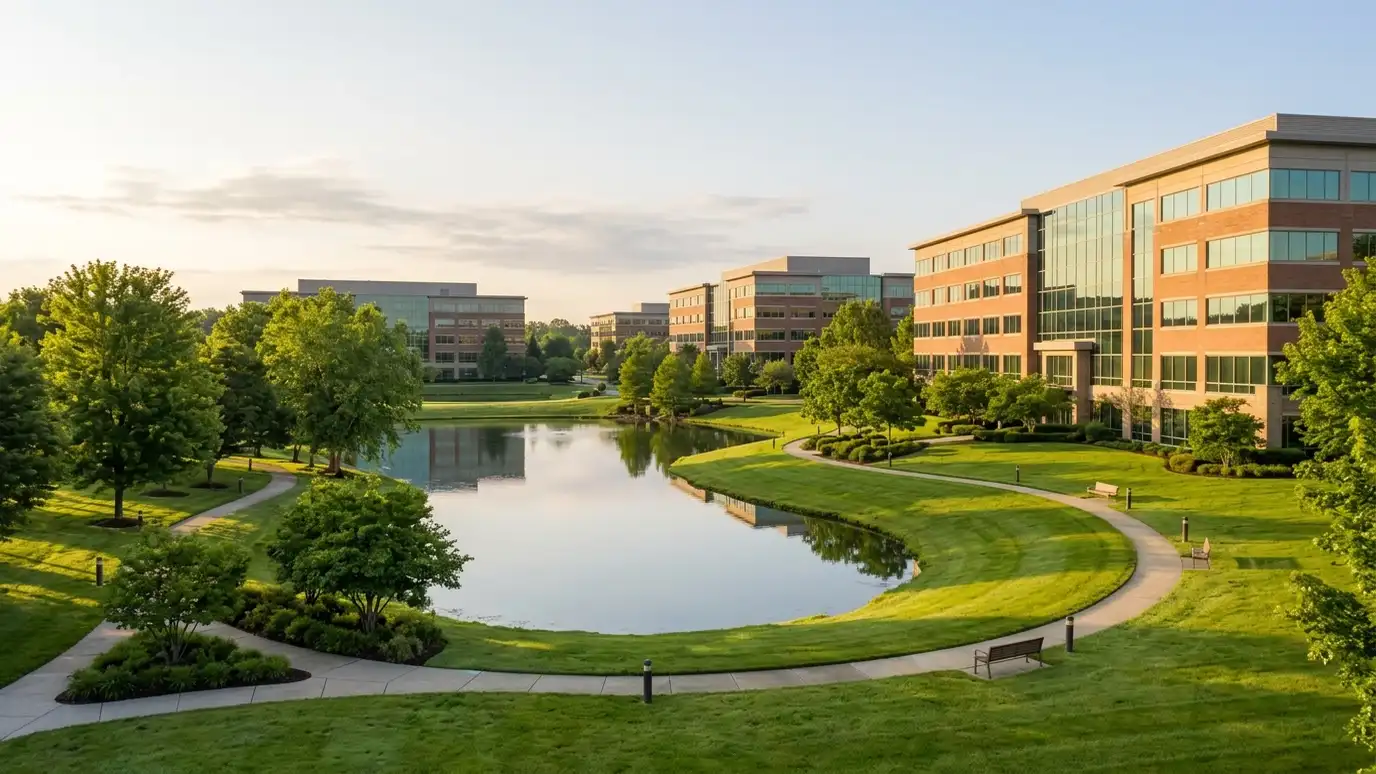 Property typeOffice Parks and CampusesTenants and visitors judge a business by its grounds. Learn what office parks and corporate campuses need for…Learn more
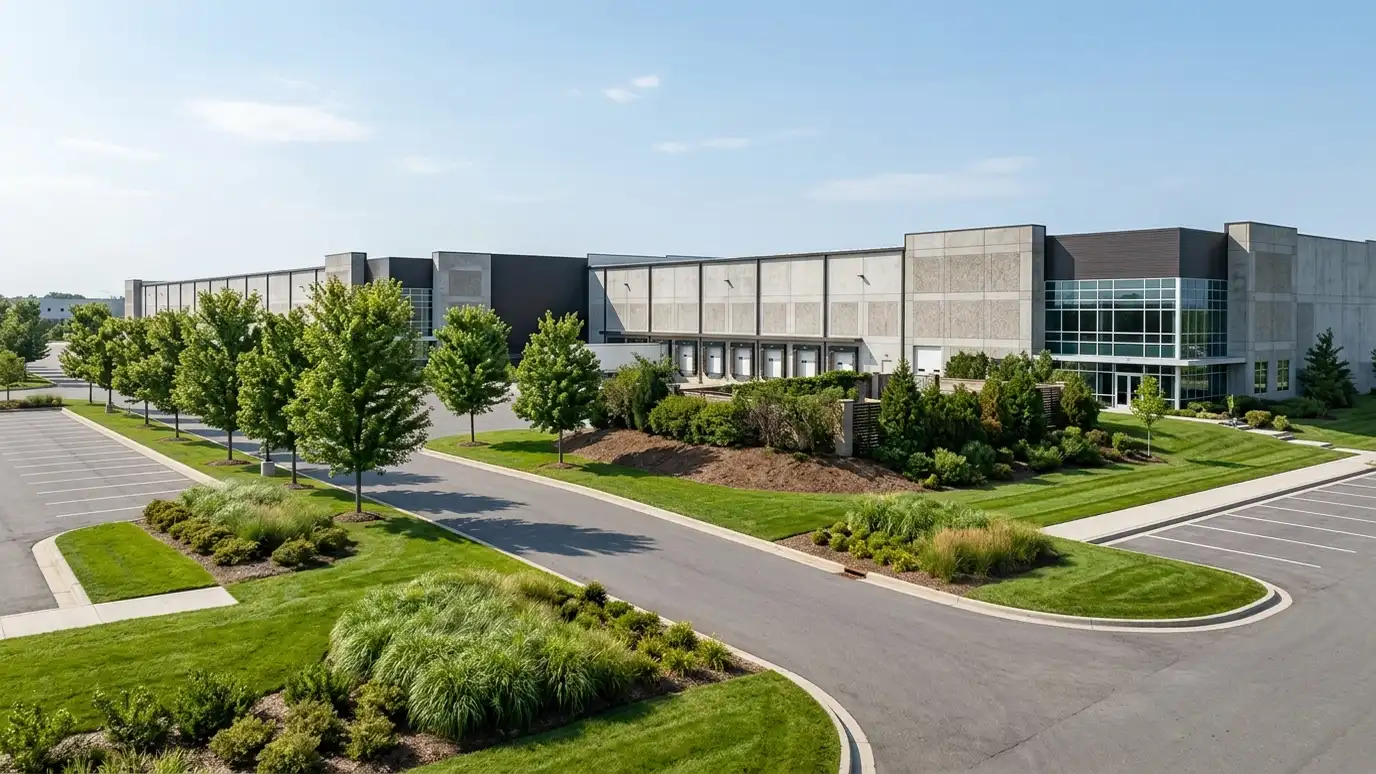 Property typeIndustrial ParksIndustrial landscapes must be tough, tidy and low cost to maintain. See what warehouse and logistics properties need…Learn more
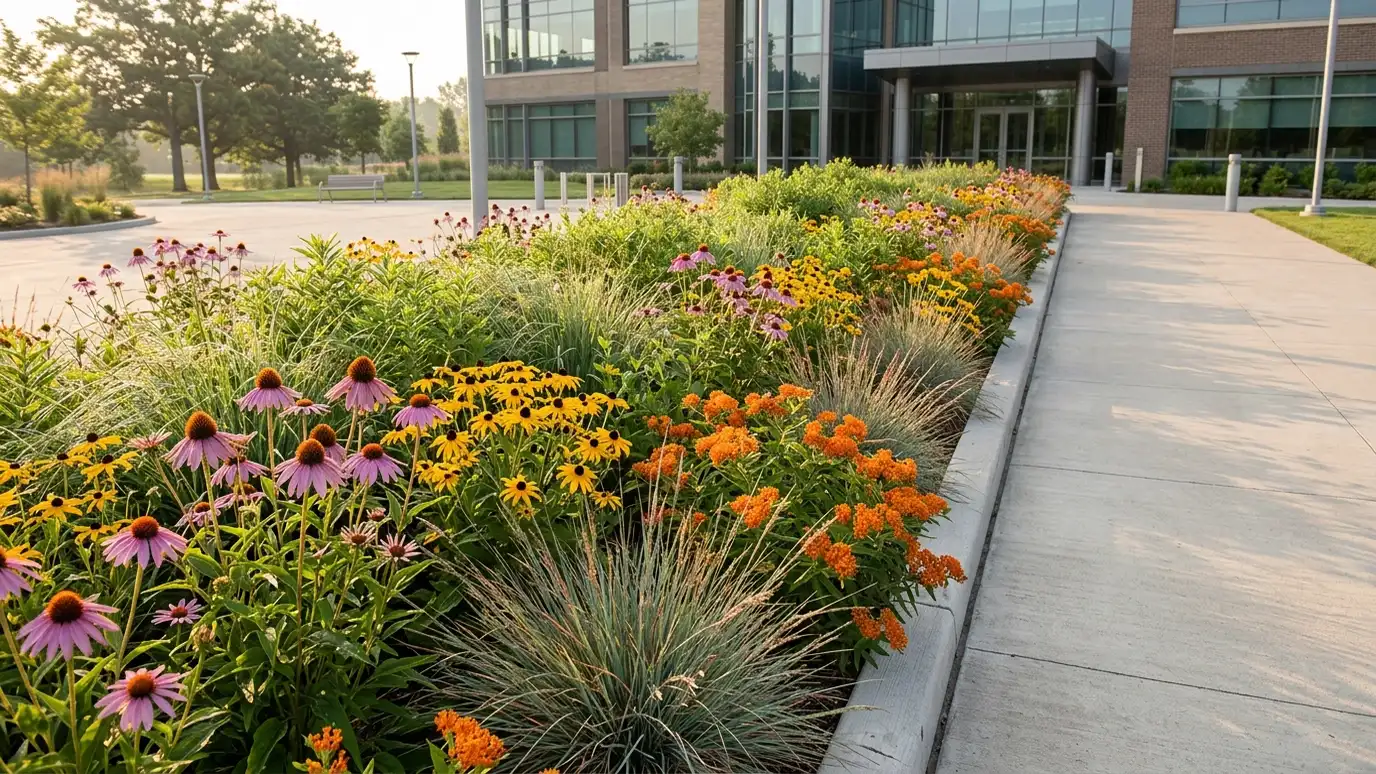 Topic guideNative PlantsNative plants cut watering and replacement while supporting pollinators. See which Middle Tennessee natives perform well in commercial…Learn more
Commercial Landscaping Budget Planner
Pick a service, a size and a few add-ons and get a ballpark planning range for your property.
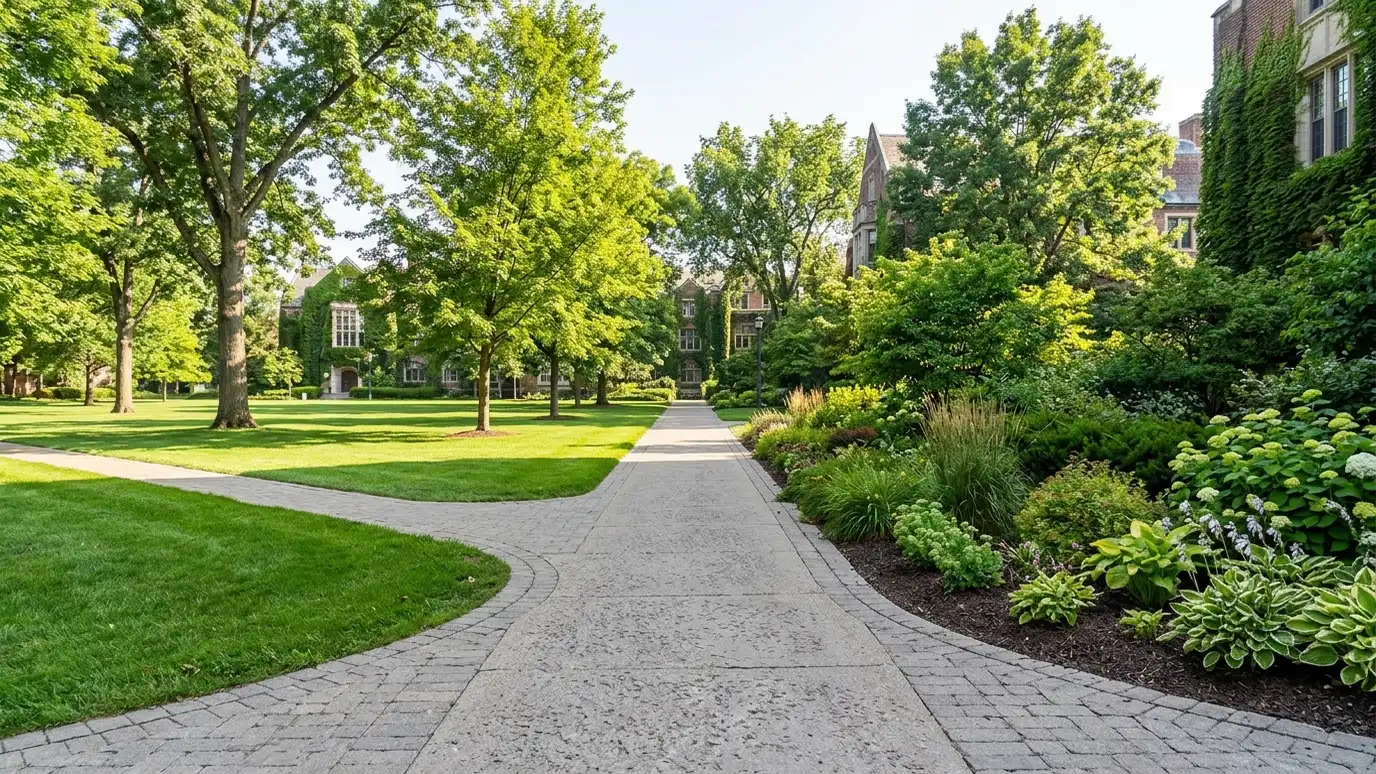
Our process, start to finish.
- 01
Call and schedule
You tell us about the property and what you need, a new program, a contractor change or a project, and we set a walk that fits your day.
- 02
Walk and measure
We walk the grounds with the manager, owner or a board member, measure turf and beds and note trees, ponds, irrigation, drainage and problem areas.
- 03
Proposal and options
You receive an itemized written proposal with areas, tasks, frequencies, seasonal services and options, ready for a board or owner to review.
- 04
Onboarding
We document starting conditions with photos, map the property, set the schedule and contacts and complete any catch-up work in the first month.
- 05
Service and projects
Crews follow the schedule, projects are phased around your operations and visits are logged so you can see what was done.
- 06
Review and plan ahead
We review results with you each quarter, adjust the scope as needed and plan seasonal work and reserve projects for the year ahead.
Low-Maintenance Landscapes FAQ
Will native plantings look messy?
Not when designed with edges, groupings and a maintenance plan. They look intentional and seasonal.
Do native plantings need irrigation?
They need regular water while establishing, then little or none in most years.
How long until they are established?
Most are well established within two to three growing seasons.
Can natives reduce mowing costs?
Yes. Replacing turf in low-use areas lowers mowing and treatment costs.
Are there options for HOAs and corporate campuses?
Yes. Many clients use natives for common areas, retention basins and campus edges.
You may also need.
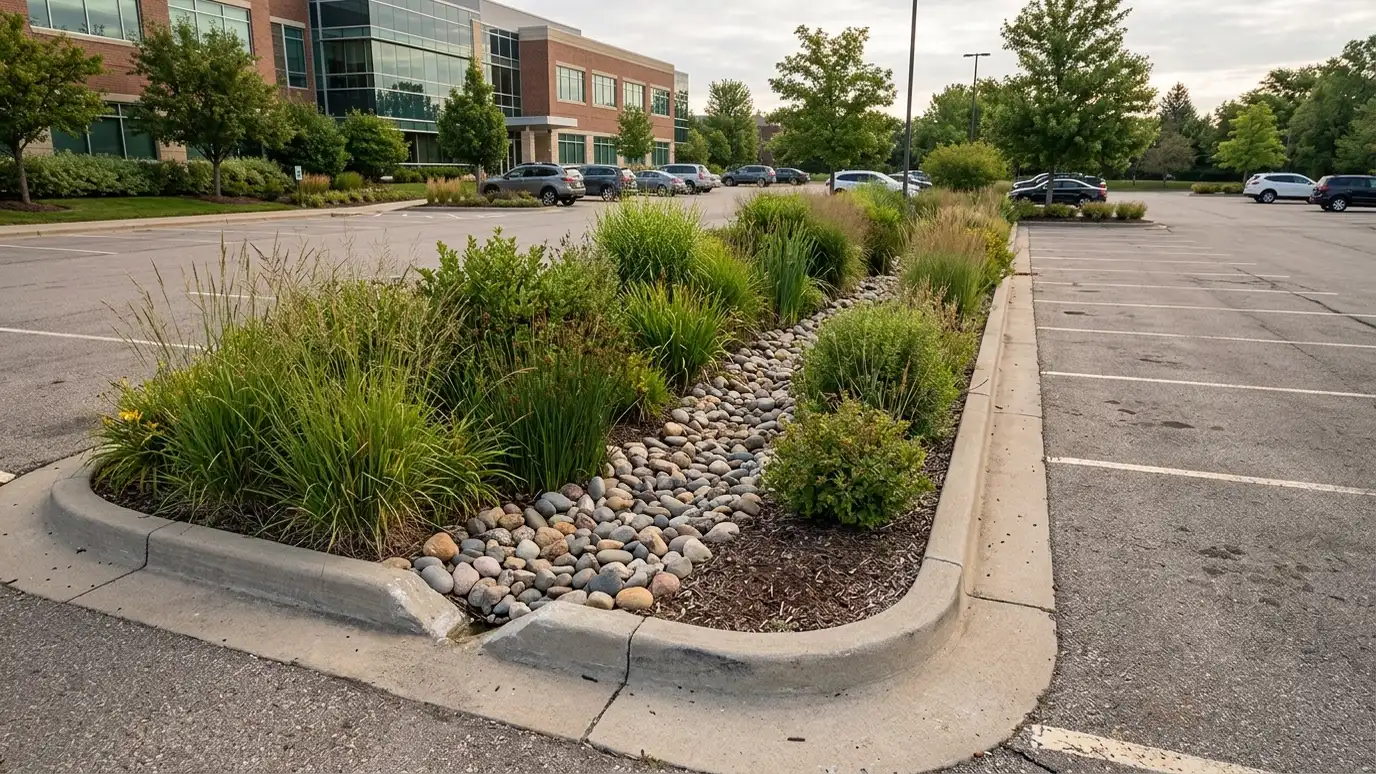 Bioswales and Rain GardensPlanted stormwater features that slow, clean and absorb runoff in parking lot islands, buffers and low spots, while…Explore
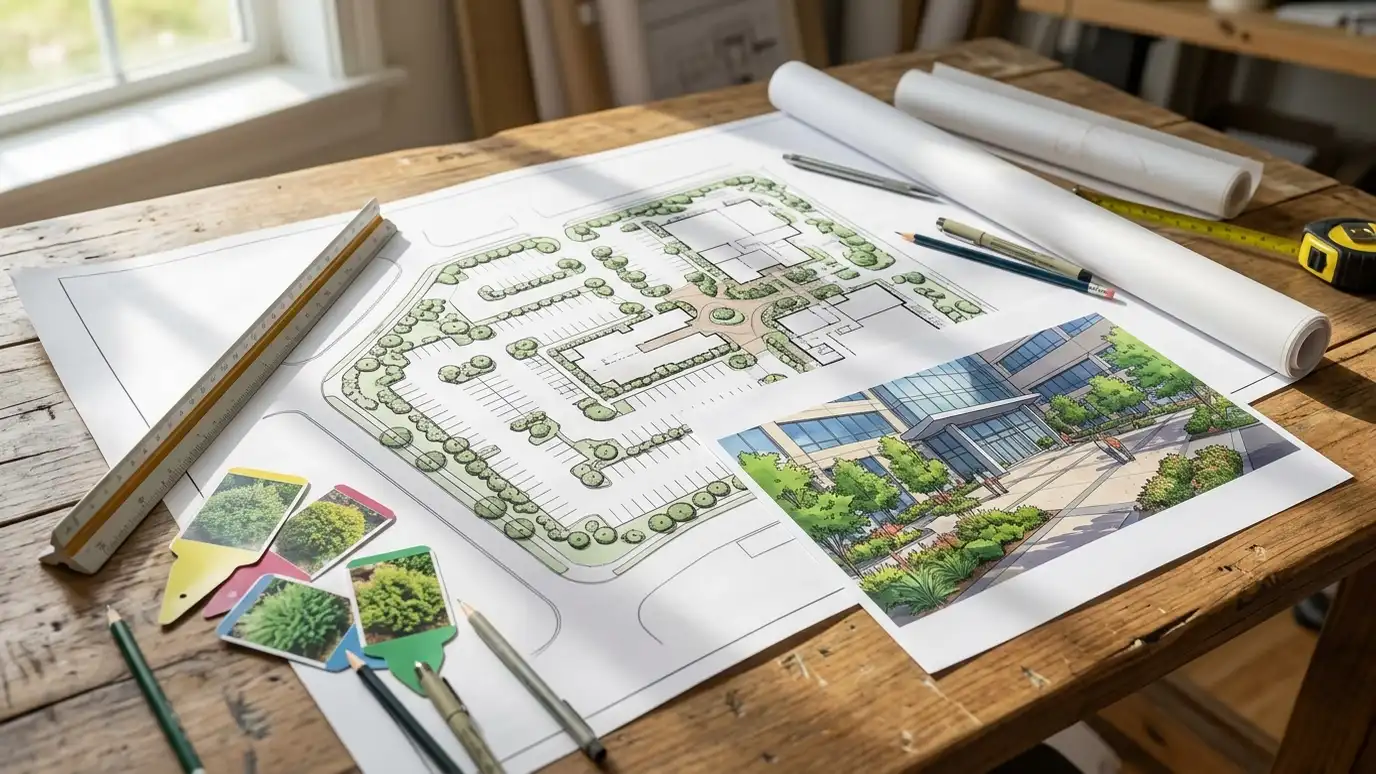 Landscape DesignSite-specific design for offices, retail, campuses and communities: planting plans, circulation, lighting, irrigation and a phased path to…Explore
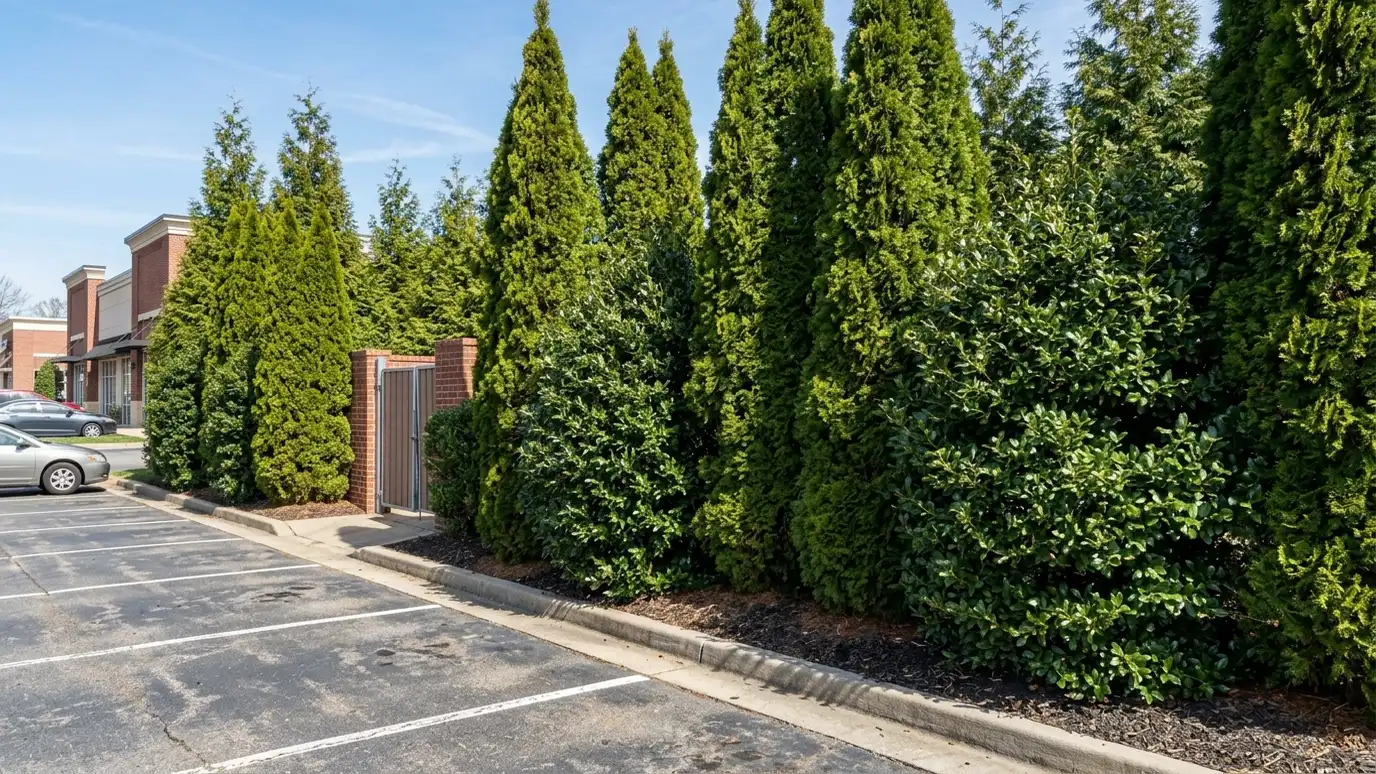 Screening and BuffersEvergreen and mixed screening that hides dumpsters, loading docks, utilities and neighboring uses while softening noise and glare.Explore
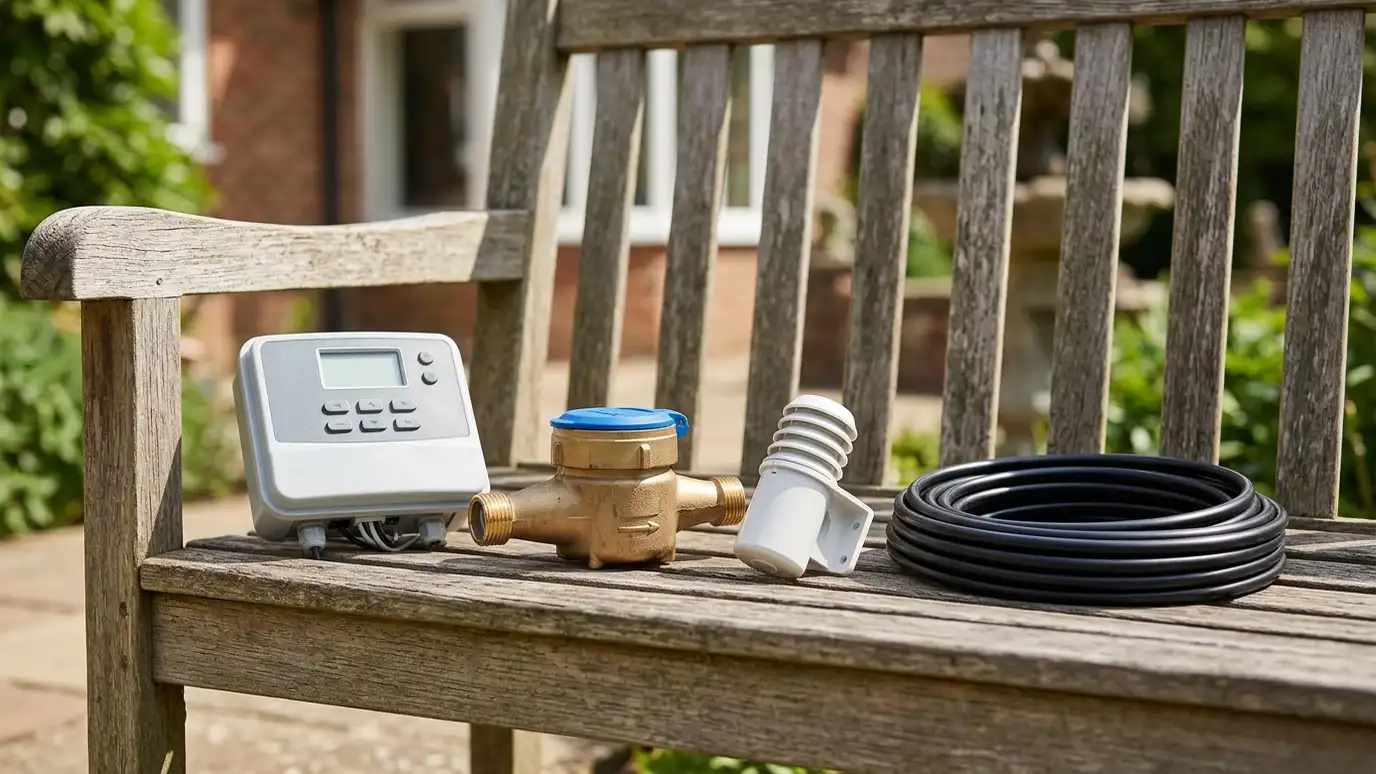
 Smart ControllersWeather-based controllers, flow monitoring and remote management that cut water use and prevent waste across commercial properties.Explore
Low-Maintenance Landscapes across Middle Tennessee.
Get your free Low-Maintenance Landscapes proposal.
Tell us about the property and we will call you back to set up a site walk.
Or call (615) 357-7797 to talk now.