Define the areas
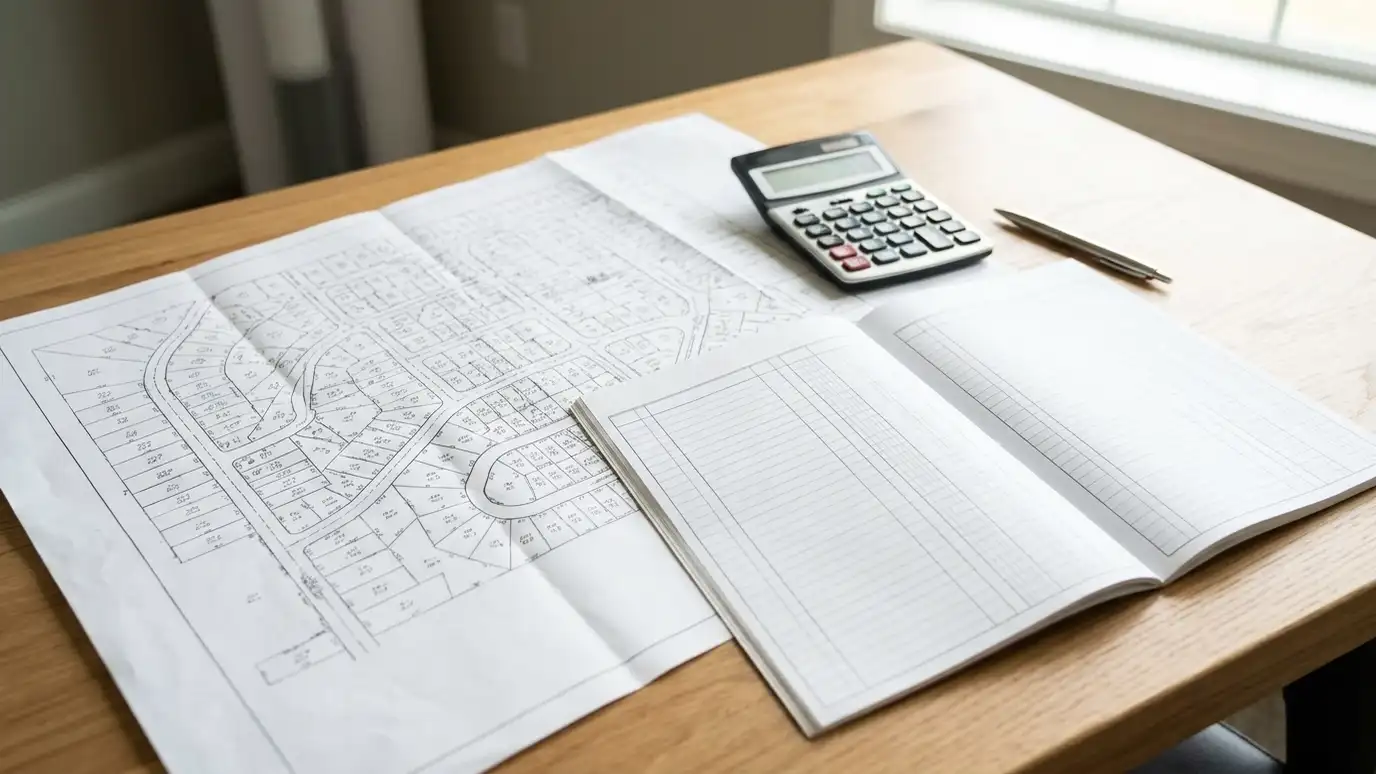
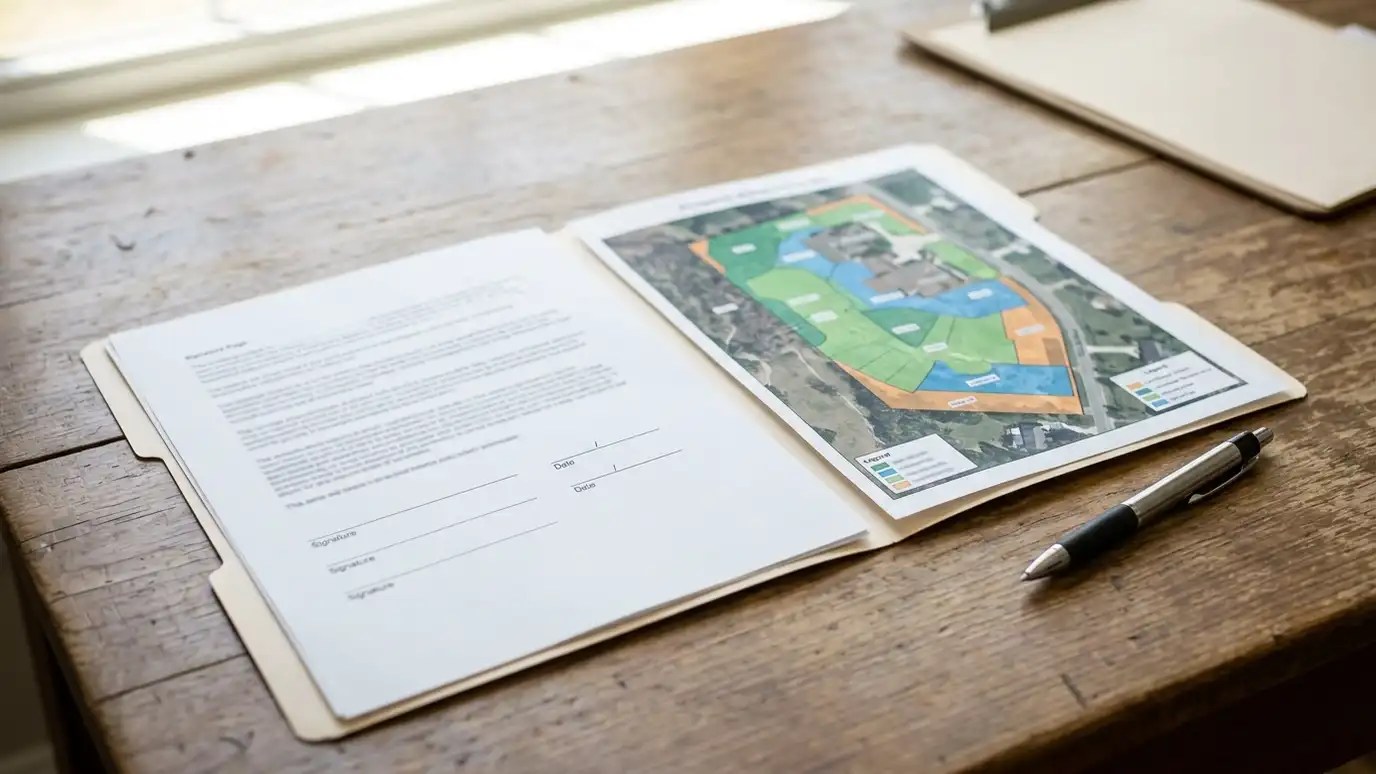
List every area covered, using a map with zones or numbered areas. Note exclusions clearly, such as resident yards, tenant patios, pond interiors or areas maintained by others.
Clear boundaries prevent disputes about what is and is not included.
List the tasks and frequencies
For each area, spell out mowing, trimming, edging, bed care, pruning, weed control, fertilizing, aeration, leaf removal and cleanup, with a frequency for each season.
Avoid vague wording such as as needed. If something is flexible, state the conditions that trigger it.
Seasonal services
Spell out spring cleanup, mulching, seasonal color, fall leaf removal, overseeding, irrigation startup and winterization, and when each will happen. Include the target months and what is included.
If snow and ice are in scope, define triggers, priorities and pile locations.
Pricing and extras
State the price structure, billing schedule and payment terms. List standard extras with unit prices or a clear process for approving them, such as written authorization before work begins.
Define how storm cleanup and emergency work will be priced.
Quality standards and communication
Describe what acceptable work looks like, such as cutting heights, edge definition and debris removal. State how often the contractor reports, who the contacts are and the response time for resident or tenant requests.
Include a process for resolving complaints and a way to document visits.
Insurance, safety and compliance
Require proof of insurance naming the owner, workers’ compensation coverage where required and the state certification needed for pesticide applications. Include safety requirements for equipment and traffic control.
Make sure the contract matches local ordinances for noise, waste disposal and stormwater.
Term, renewal and termination
State the contract length, renewal terms, price adjustments and how either party can end the agreement, including notice periods. Clarify what happens if service falls short.
Plan a performance review at set intervals so problems are caught early.
If a task is not written down with a frequency, assume it is not included.